Our Top Picks
Pros & cons
- Four memory presets simplify switching between heights
- Aerospace-grade lifting columns aim for long-term stability
- Low-VOC materials support a healthier indoor workspace
- 48 x 24 inch top limits room for larger multi-monitor setups
- At nearly 44 pounds, assembly needs some help
 VIVO Manual Height Adjustable Standing Desk Converter32"31.5 x 31.5 x 31.3 inches26 poundsCheck on Amazon


A good adjustable desk should rise high enough for typing while standing, sit low enough for comfortable seated work, and stay steady with your monitor in place. The right choice depends less on flashy extras than on your height, available space, budget, and tolerance for assembly. Here’s how the main options compare—and where spending more makes a practical difference.
Best adjustable desks by need
| Desk type | Best for | Main trade-off |
|---|---|---|
| Electric two-leg desk | Most home offices | Good convenience, but stability varies by frame and height |
| Electric three-leg desk | Large tops and heavier setups | Costs more and takes up more space |
| Manual crank desk | Occasional adjustments on a budget | Slower to raise and lower |
| Desktop converter | Renters or people keeping their existing desk | Uses up desk surface and can feel less stable |
Electric desks: the easiest everyday choice
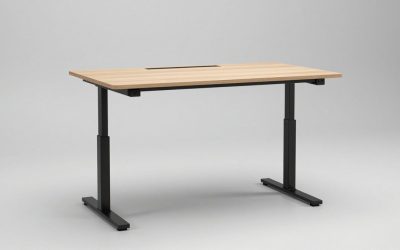
For a desk you’ll adjust several times a day, an electric frame is usually the most convenient option. A basic two-leg setup suits a typical monitor, laptop, and accessories. Look for a height range that fits both your seated and standing posture, a stated load capacity with room to spare, and a keypad that’s easy to use. Preset buttons are handy if you switch positions often, but they shouldn’t outweigh fit and stability.
The main failure mode is wobble, especially near the desk’s highest setting. A tall user may extend the legs farther, amplifying movement from typing or leaning on the surface. A heavy monitor arm or deep desktop can add leverage, too. Check reviews for reports of front-to-back sway at standing height, not just claims that the desk is “sturdy.” A heavier frame and cross-support can help, but the floor, assembly, and desktop also matter.
A two-leg electric frame is a sensible starting point for most people. Compare electric standing desk frames if you already have a compatible top, or complete electric standing desks if you want one purchase. Before ordering a frame alone, check its supported desktop dimensions, mounting pattern, and whether the listed load includes the top.
Three-leg desks: useful for wide or loaded setups
A three-leg frame, often used for L-shaped desks, can support a larger work surface and spread the load across more points. It makes sense if you need space for several monitors, equipment, or separate work and hobby areas. But it isn’t automatically the best choice for a normal-size desk. The price, footprint, and assembly complexity are higher, and a third leg does not guarantee a wobble-free setup. Check the dimensions of the entire frame and confirm that your room can accommodate its shape and moving clearance.
Manual desks: save money if you adjust infrequently
A hand-crank desk avoids a motor and can cost less, while still allowing seated and standing work. It’s a reasonable pick if you’ll change height once or twice a day, share the desk with someone who has a similar setup, or want fewer electrical parts. The trade-off is effort and time: a loaded desk may take many turns to move, and frequent adjustment can become annoying enough that you stop using it.
Check whether the crank can be installed on either side and whether it clears a nearby wall or cabinet. Make sure the lifting capacity covers the top and everything on it; the crank mechanism can feel strained when overloaded. If you expect to change positions often, paying more for an electric frame may be worthwhile. If not, a manual crank standing desk can be perfectly adequate.
Desktop converters: keep your existing desk
A converter sits on an ordinary desk and raises a keyboard and monitor platform for standing. It avoids replacing furniture and can suit renters, shared rooms, or anyone testing sit-stand work before buying a full desk. Measure the depth and width of your current desktop: the converter’s base can consume a lot of usable space, leaving little room for papers or other equipment.
Converters often lift the keyboard in an arc rather than straight up. That can push the screen closer or farther away as you raise it, so check that you can position your monitor comfortably at both heights. Some models also bounce or tilt under pressure. A converter is less attractive for a heavy monitor setup, small desk, or frequent changes throughout the day. Look at standing desk converters when keeping your existing desk matters more than maximizing workspace.
Fit, stability, and setup matter more than extras
At seated height, your shoulders should relax and your elbows should sit near your sides while typing. At standing height, aim for a similar arm position without reaching upward. These are practical starting points, not medical rules; comfort varies, and evidence on the health benefits of standing desks is limited. A standing desk is not a treatment for pain or a reason to stand all day. If you have persistent discomfort or a condition that affects sitting or standing, ask a qualified health professional for advice.
Also check the minimum and maximum height against your body and chair. Some desks that suit an average-height adult won’t lower enough for shorter users, particularly when a thick desktop is fitted. Taller users should check that the desk reaches their standing typing height without running at its limit. A suitable chair, foot support if needed, and monitor placement can make more difference than an extra preset button.
Assembly is another common source of disappointment. Electric frames can be heavy, and crossbars or lifting columns may need careful alignment. Tighten fasteners in the specified order, don’t force mismatched holes, and recheck connections if the frame rocks. Route cables with enough slack for the full travel range; a taut monitor or power cable can snag when the desk moves. A desk mat may improve standing comfort, but it won’t fix an unsuitable desk height or poor setup.
FAQ
Is an electric standing desk worth the extra cost?
Usually, if you plan to change height regularly. If you’ll adjust only occasionally, a manual desk can save money without sacrificing the basic function.
Will a standing desk stop back pain?
There’s limited evidence for broad health claims, and a desk alone is not a guaranteed fix. Persistent pain is a reason to consult a qualified health professional.
How much weight capacity do I need?
Add the desktop, monitors, arms, computer, and other equipment, then leave a margin. Check how the manufacturer defines capacity and whether it applies to the complete desk or just the frame.
Are desk converters stable enough for monitor arms?
It depends on the converter’s design and rated load. Many are less stable than a full desk, so verify compatibility and capacity before attaching a monitor arm.