
Key takeaways
- Age Range Description: Adult
- Mount Type: Doorway Mount
- Item Dimensions W x H: 37"W x 20.2"H
A pull-up bar is one of the few pieces of home gym equipment where spending more rarely buys you a better workout. A $30 doorframe model and a $140 bolted steel bar both let you do dead hangs, chin-ups, hanging knee raises, and slow negatives. What separates them is the failure mode. One shifts an inch under load and grinds paint off your door casing; the other doesn’t move for a decade. That difference — not grip count, not powder-coat color — is what this guide is organized around.
So the picks below are grouped by how they attach to your home, because that’s the constraint you can’t negotiate with. Wall mounts need studs at 16 inches on center and roughly 10 to 20 inches of standoff to keep your knuckles off the drywall. Doorway bars need a casing between about 27 and 36 inches wide with trim that can take pressure. Freestanding towers need floor space and about seven and a half feet of ceiling. Figure out which of those three you actually have, then read only that section.
Our top picks
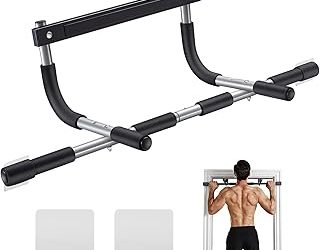
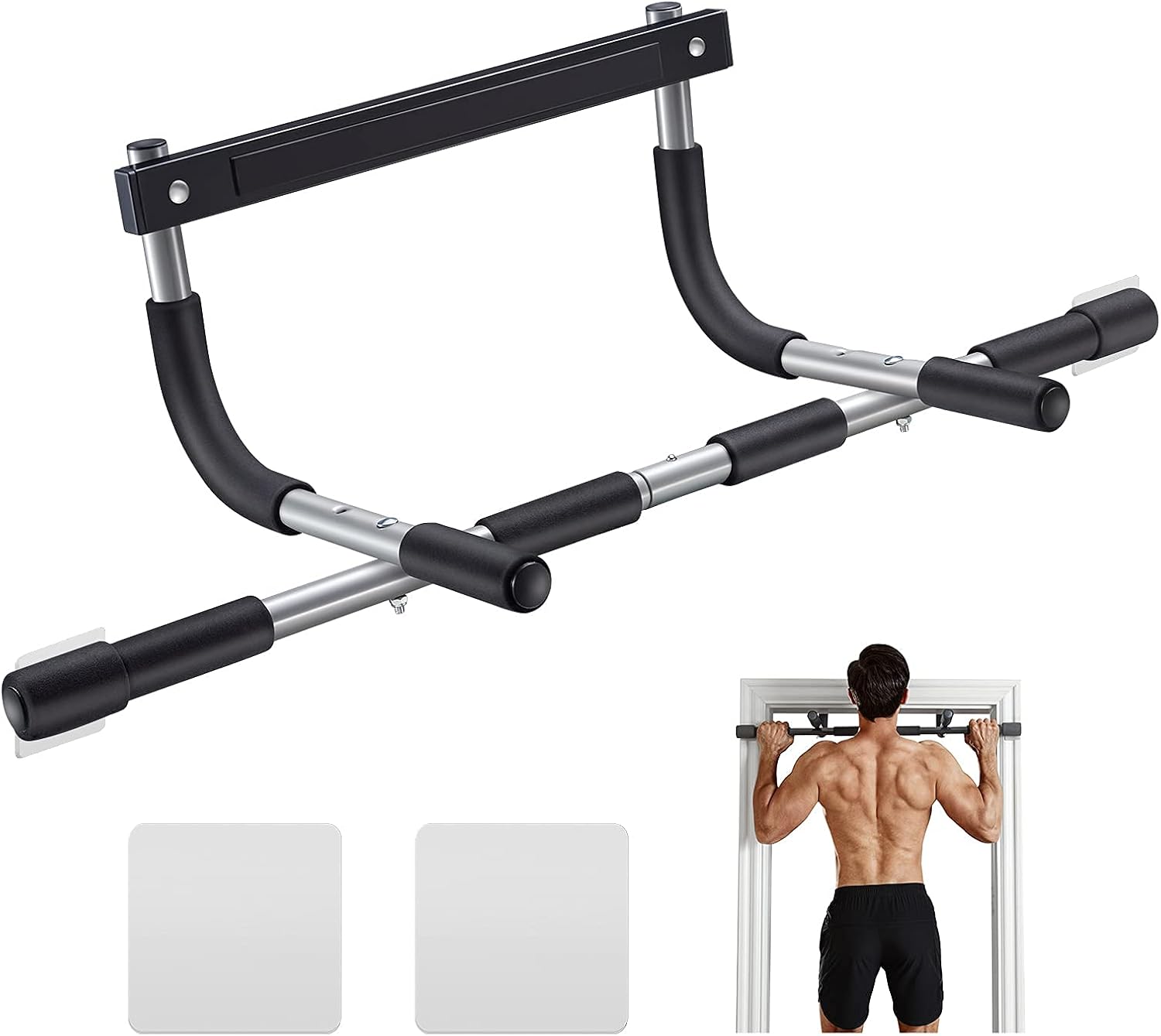 Ally Peaks Pull Up Bar for Doorway
- Age Range Description: Adult
- Mount Type: Doorway Mount
- Item Dimensions W x H: 37"W x 20.2"H
Thickened 1.7mm steel construction supports up to 440 pounds
Silicone door protectors avoid marking the frame
Backed by a 180-day return window
Fits only doorways between 24 and 32 inches wide
Requires removal to use the doorway for anything else
 Pooboo Power Tower Dip Station Pull Up
- Maximum Weight Recommendation: 450 Pounds
- Warranty Type: Manufacturer
- Material: Alloy Steel
 CAP Barbell Power Racks and Attachments
- Item Package Dimensions L x W x H: 47 x 12 x 6 inches
- Package Weight: 29.94 Kilograms
- Item Dimensions LxWxH: 45.67 x 50.79 x 85.43 inches
| Product | Key specs | |
|---|---|---|
| Ally Peaks Pull Up Bar for Doorway | Age Range Description: Adult Mount Type: Doorway Mount Item Dimensions W x H: 37"W x 20.2"H | Check price |
| Pooboo Power Tower Dip Station Pull Up | Maximum Weight Recommendation: 450 Pounds Warranty Type: Manufacturer Material: Alloy Steel | Check price |
| CAP Barbell Power Racks and Attachments | Item Package Dimensions L x W x H: 47 x 12 x 6 inches Package Weight: 29.94 Kilograms Item Dimensions LxWxH: 45.67 x 50.79 x 85.43 inches | Check price |
 Sunny Health & Fitness Power Tower Dip Sunny Health & Fitness Power Tower Dip | Maximum Weight Recommendation: 330 Pounds Warranty Type: Manufacturer Material: Alloy Steel | Check price |
 Mikolo Smith Machine with Weight Stack Mikolo Smith Machine with Weight Stack | Warranty Description: 2 Year Tension Supported: 264 lbs Strap Type: Cable/Pulley straps | Check price |
 pooboo Multi-Functional Machine Power Cage pooboo Multi-Functional Machine Power Cage | Warranty Description: 2 Year Warranty Time Material Type: Alloy Steel, Plastic Tension Supported: 2000 pounds | Check price |
 48'' Joist Mounted Pull Up Bar with 48'' Joist Mounted Pull Up Bar with | Age Range Description: Adult Mount Type: Wall Mount Material: Alloy Steel | Check price |
 Sportsroyals Power Tower Pull Up Bar Station Sportsroyals Power Tower Pull Up Bar Station | Warranty Description: 2-Year Warranty Maximum Weight Recommendation: 360 Pounds Warranty Type: No Warranty | Check price |
As an Amazon Associate we earn from qualifying purchases at no extra cost to you.
As an Amazon Associate we earn from qualifying purchases.
Quick Comparison
| Model | Mount Type | Grip Positions | Stated Capacity | Best For |
|---|---|---|---|---|
| Rogue Jammer Pull-Up Bar | Wall (studs) | Wide + narrow | ~500 lb | Heavy lifters, weighted reps |
| Ultimate Body Press Wall Mounted Bar | Wall (studs) | Wide, neutral, close | ~300 lb | Deep standoff, varied grips |
| Titan Fitness Wall Mounted Bar | Wall or ceiling | Wide + neutral | ~400 lb | Garage and basement joists |
| Iron Gym Total Upper Body Bar | Doorframe leverage | Wide, narrow, neutral | ~300 lb | Renters, zero drilling |
| Perfect Fitness Multi-Gym Pro | Doorframe leverage | Multiple, contoured | ~300 lb | Comfort and quick removal |
| Sunny Health Doorway Chin-Up Bar | In-frame brackets | Single straight | ~220 lb | Tight budgets, small spaces |
How to Choose
- Match the mount to your structure, not your wish list. Run a stud finder before you buy. If you get hollow readings across a four-foot span, a wall mount is off the table and you’re choosing between a doorframe bar and a tower.
- Measure standoff and headroom. Standoff is the distance from the wall to the bar; under 10 inches and your fingers scrape drywall on wide-grip reps. You also want enough clearance overhead that your chin clears the bar without your skull meeting the ceiling.
- Think in dynamic load, not static. A 200-pound person doing a controlled pull-up is fine on a 300-pound rating. That same person dropping off the bar or kipping can spike peak force well past double bodyweight. Buy roughly twice the rating you think you need.
- Check grip diameter and finish. Around 1.25 inches of bare or lightly textured steel gives the best purchase and builds real grip strength. Thick foam sleeves feel plush for the first month, then compress, spin, and tear.
- Confirm what else can hang from it. If you plan to add gymnastics rings, resistance bands, or an ab strap, you need a bar with open span between the uprights. Multi-grip bars with crowded handles often leave nowhere to clip.
Top Picks Reviewed
Rogue Jammer Pull-Up Bar — Best Overall
The Jammer is a spartan piece of 11-gauge steel with a single crossbar, two mounting brackets, and no gimmicks. What earns it the top slot is rigidity: bolted into two studs, it doesn’t flex, creak, or telegraph vibration into the wall, which matters enormously once you strap on a 45-pound plate. Three bracket positions let you dial in standoff, and the bare textured finish is grippy enough that chalk is optional. Downsides are honest ones — it costs more than most, mounting hardware is sold separately in some configurations, and you get exactly two grip widths. If you’re a heavier or stronger athlete who plans to load weight, buy this and stop shopping.
Ultimate Body Press Wall Mounted Pull Up Bar — Best Multi-Grip
This one solves the standoff problem better than almost anything at its price. The frame pushes the bar well off the wall, giving you room for full wide-grip reps, neutral-grip pulls on the parallel handles, and even a decent knee-raise arc without clipping your heels. The tubing is lighter than the Rogue and you’ll feel a bit of give at the top of an explosive rep, but for bodyweight training it’s rock solid. Installation is the real commitment: four lag bolts into studs, and you want a helper holding the frame level while you drive them.
Titan Fitness Wall Mounted Pull Up Bar — Best for Garages
Titan’s version can go on a wall or straight up into ceiling joists, which makes it the flexible answer for garages and basements where wall real estate is taken by shelving or a water heater. Ceiling mounting also gives you unlimited standoff — nothing behind you at all — so kipping and rotation feel natural. Fit and finish are a step below the premium brands; expect to chase a bolt hole or two and touch up a scratch. At its price, that’s a fair trade for a bar that’ll outlast the drywall around it.
Iron Gym Total Upper Body Workout Bar — Best No-Drill Option
The original leverage-mount bar, and still the one to beat if you can’t put holes in anything. It hooks over the top of a door casing and uses your bodyweight to press a padded arm against the wall above the frame. Setup takes about fifteen seconds, it lifts off for storage, and it doubles as a dip station and push-up handle on the floor. Two cautions: put a folded towel or foam pad under the contact points to protect trim, and don’t kip on it. Steady, controlled reps only.
Perfect Fitness Multi-Gym Pro — Best Doorway Comfort
Same leverage principle as the Iron Gym, executed with more attention to ergonomics. The grips are contoured and angled so your wrists sit in a neutral position rather than cranked, which is a genuine relief on high-volume sets. Padding along the frame contact zone is thicker too, so it’s gentler on door casings. The steel is a touch lighter than you’d want for weighted work, and taller users may find the bar sits low enough to need bent knees — but for daily chin-up sets in an apartment, it’s excellent.
Sunny Health & Fitness Doorway Chin-Up Bar — Best Budget Pick
This is the telescoping bar that mounts on two small brackets screwed inside the door jamb. Because the load transfers into the frame itself rather than leveraging against the wall, it feels surprisingly stable, and it costs a fraction of everything above. You give up grip variety — one straight bar, that’s it — and the lower weight rating means it’s not for heavy or weighted training. The two small screw holes are patchable with a dab of filler, which makes it a reasonable renter compromise.
Frequently Asked Questions
Will a doorway pull-up bar damage my door frame?
It can, especially on softwood or painted trim. The pressure concentrates in two small areas above the casing. Slip a folded towel or a piece of thin foam under each contact point, avoid dropping off the bar, and check the trim monthly for compression marks. Most damage comes from dynamic movement, not hanging.
How much clearance do I need above the bar?
Plan on at least 8 to 10 inches from the bar to the ceiling so your head clears at the top of the rep, and 10 inches or more behind it so your knuckles and elbows have room. Vertically, you want your feet off the floor at full hang — if not, bend your knees or cross your ankles.
Can I do kipping pull-ups or muscle-ups on these?
Only on the bolted wall and ceiling mounts, and only ones rated 400 pounds or more. Kipping generates large horizontal and rotational forces that leverage-mount doorway bars are simply not designed to absorb. Attempting it is how those bars come off the wall mid-rep.
What if I can’t do a single pull-up yet?
Start with dead hangs for time, then band-assisted reps, then slow negatives — step or jump to the top position and lower over five seconds. Three sets, three days a week. Most people get their first unassisted rep within six to ten weeks, and the bar itself works identically the whole way through.
Final Thoughts
If you own your walls and have studs to work with, buy a bolted mount and never think about it again — the Rogue Jammer if you’ll be adding weight, the Ultimate Body Press if you want grip variety, the Titan if your ceiling joists are more accessible than your walls. If you’re renting, the Iron Gym and Perfect Fitness bars deliver real training value for the price of a couple of gym day passes, provided you keep your reps controlled and pad the trim. And if the budget is genuinely tight, the Sunny in-frame bar does the one job that matters. The best pull-up bar is the one already installed where you walk past it every day, because that’s the one you’ll actually use.
Best Kids Climbing Toys for Indoor and Outdoor Play
Best Kids Climbing Toys for Indoor and Outdoor Play The best kids...

Best Affordable Yoga Mat: 6 Picks Ranked by Cost Per Year
Best affordable yoga mat is a question of arithmetic rather than taste....
8 Best Rated Ab Rollers: 6 Wheels Compared for Home Workouts
An ab wheel is the cheapest piece of equipment that can genuinely...
Best In House Pull Up Bar: 6 Picks for Small Home Setups
In a 600-square-foot apartment, every object has to justify its area. A...
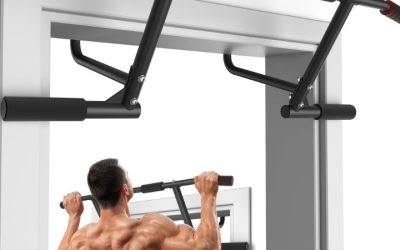
Best At Home Pull Up Bar: 6 Picks for Renters and Owners
The spending pattern in this category is predictable and wasteful. Someone buys...
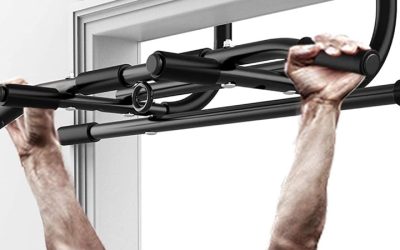
Best Home Pull-Up Bar: 7 Top Picks for Doorways & Walls
The average American moves roughly every five years, which is a fact...
8 Best Abs Workout at Home Without Equipment: Kit Optional
Best abs workout at home without equipment is a genuine category rather...
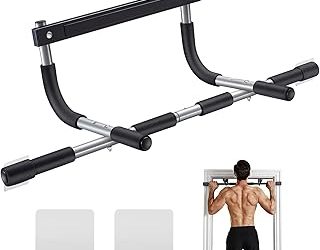
8 Best Pull Up Bars for Doorway Frames: Measure Before You Buy
Before you read a single review, go get a tape measure....
8 Best Door Pull Up Bar Picks Rateds on Fit and Frame Safety
Renting changes the calculation on a pull-up bar completely. A wall-mounted unit...
8 Best Ab Rollers: Top Picks Reviewed (2026)
An ab roller is one of the few pieces of equipment...
Write Your Review
No reviews yet. Be the first to share your experience!