
Key takeaways
- Age Range Description: Adult
- Mount Type: Doorway Mount
- Item Dimensions W x H: 37"W x 20.2"H
Renting changes the calculation on a pull-up bar completely. A wall-mounted unit with four lag bolts into a stud is stronger, cheaper and quieter than anything that clamps to a doorway — and it also costs you a deposit when you move out. That is why the doorway category exists, and why the honest question is not “which bar is strongest” but “which bar holds my bodyweight reliably while leaving the frame in the condition I found it.”
The other thing worth confronting up front is the weight rating. Nearly every bar in this category advertises 440 lb, which is a static frame figure produced under laboratory conditions with an ideal doorway. It says nothing about whether your specific casing, your specific jamb screws, and your specific plaster will hold. A 200 lb user doing controlled pull-ups is well inside the envelope; the same user dropping off the bar, kipping, or wearing a 40 lb vest generates peak forces several times bodyweight. Treat the number as headroom, not permission. With that framing, here is how the six options actually differ.
Our top picks
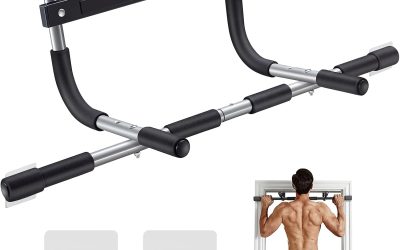
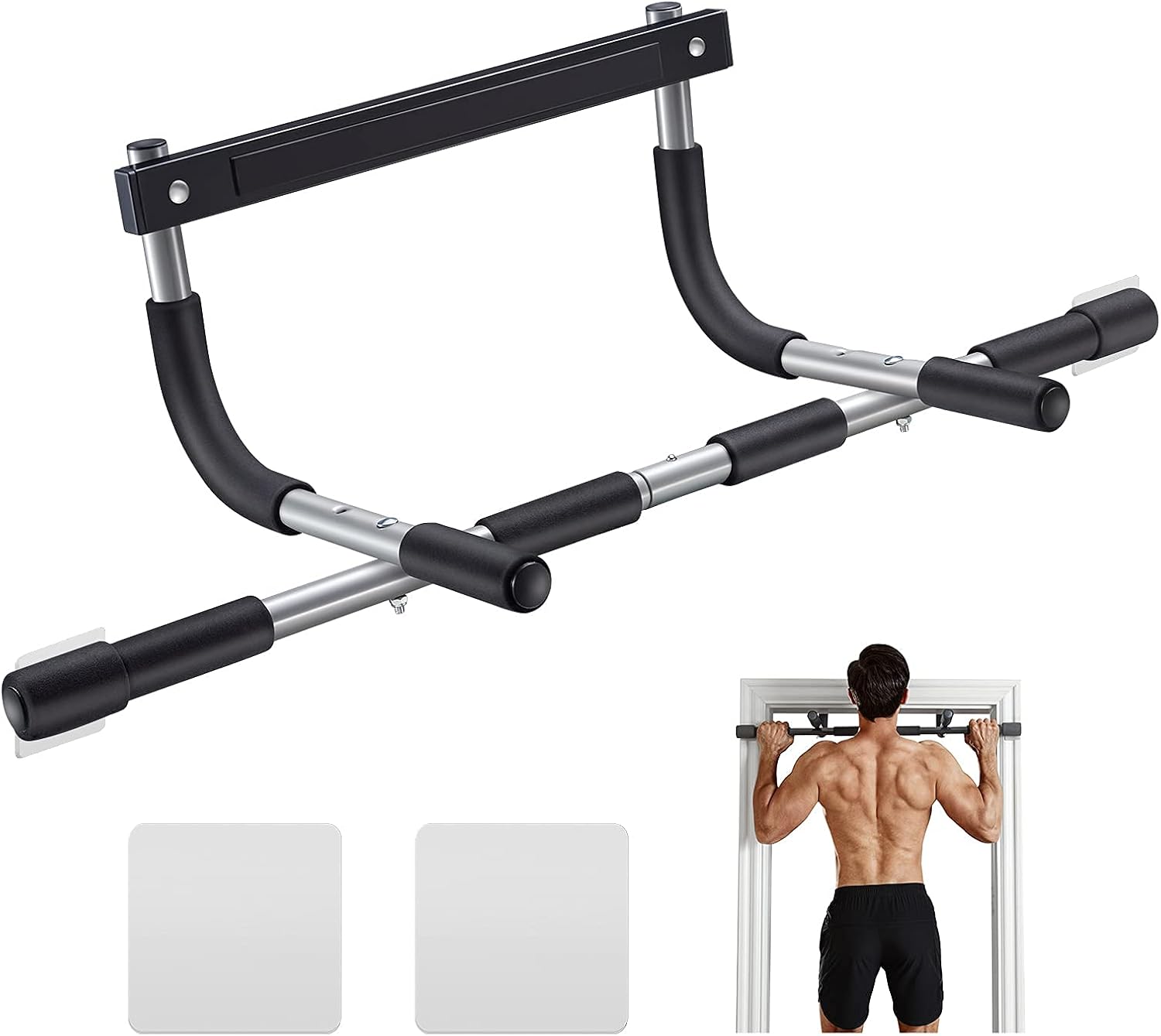 Ally Peaks Pull Up Bar for Doorway
- Age Range Description: Adult
- Mount Type: Doorway Mount
- Item Dimensions W x H: 37"W x 20.2"H
Thickened 1.7mm steel construction supports up to 440 pounds
Silicone door protectors avoid marking the frame
Backed by a 180-day return window
Fits only doorways between 24 and 32 inches wide
Requires removal to use the doorway for anything else
| Product | Key specs | |
|---|---|---|
| Ally Peaks Pull Up Bar for Doorway | Age Range Description: Adult Mount Type: Doorway Mount Item Dimensions W x H: 37"W x 20.2"H | Check price |
 Ally Peaks Pull Up Bar for Doorway Ally Peaks Pull Up Bar for Doorway | Check price | |
 Body-Solid Body-Solid | Check price | |
 Sportneer Pull Up Bar for Doorway Sportneer Pull Up Bar for Doorway | Age Range Description: Adult Mount Type: Doorway Mount Item Dimensions W x H: 37.01"W x 6.69"H | Check price |
 KAKICLAY 2026 Upgrade Multi-Grip Pull Up Bar KAKICLAY 2026 Upgrade Multi-Grip Pull Up Bar | Age Range Description: Adult Mount Type: Doorway Mount Item Dimensions W x H: 10.5"W x 2"H | Check price |
 TOPOKO Pull Up Bar for Doorway TOPOKO Pull Up Bar for Doorway | This barra de bar can do various exercises This indoor pull up bar is constructed of… The top of this pull-up bar is equipped… | Check price |
 EVERYMATE Wall Mount Pull Up Bar EVERYMATE Wall Mount Pull Up Bar | Check price | |
 Ally Peaks Pull Up Bar for Doorway Ally Peaks Pull Up Bar for Doorway | Check price |
As an Amazon Associate we earn from qualifying purchases at no extra cost to you.
Quick Comparison
| Product | Best For | Standout Feature | Watch Out For |
|---|---|---|---|
| Ally Peaks Pull Up Bar | Most rentals | Thick-wall steel, minimal flex | Leaves pressure marks on paint |
| Ally Peaks Multi-Grip Bar | Elbow-friendly training | Neutral grip handles | Reduces doorway head clearance |
| Body-Solid PUB34 Bar | Long tenancies | Adjustable, commercial-grade welds | Highest price in the group |
| Sportneer No-Drill Bar | Strict landlords | Zero contact with wall above door | Tension must be checked weekly |
| KAKICLAY Multi-Grip Bar | Thick or ornate trim | Oversized hooks clear deep casing | Overkill on flat modern trim |
| TOPOKO Chin Up Station | Short-term or occasional use | Low cost, several grip options | Foam sleeves degrade fast |
How to Choose
- Damage tolerance: Decide what you can live with. Leverage bars leave compression marks above the door that usually need filling and touch-up paint. Compression bars leave nothing visible but transfer stress into the jambs, which is a different risk rather than no risk.
- Bodyweight plus load: Add any weight vest, dip belt or child you might hang on the bar to your own weight, then double it to account for dynamic loading. If that figure approaches the rating, choose a wall mount instead.
- Doorway width: Measure jamb to jamb at the height where the bar will sit, not at the floor. Frames are rarely perfectly parallel, and a bar tensioned in a tapering opening will creep downward under load.
- Removal frequency: If the bar must come down daily because the doorway is a main thoroughfare, leverage designs win — they lift off in a second. Compression bars need re-tensioning every time and become tedious fast.
- Grip diameter: Bars in the 1.25 to 1.5 inch range suit most hands. Thicker foam sleeves feel comfortable initially but reduce grip security for anyone with smaller hands, particularly on high-rep sets.
Top Picks Reviewed
Best Overall for Renters: Ally Peaks Pull Up Bar
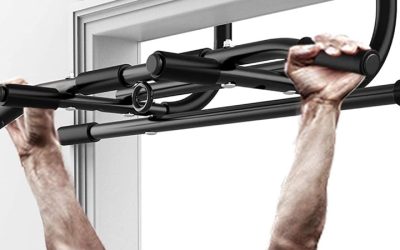
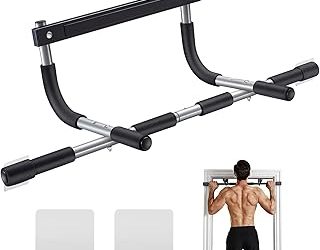
The thicker-wall tubing is the reason to pick this over similar-looking bars — you feel far less deflection at the midpoint, which translates directly into confidence at the top of a rep. Mounting takes seconds once assembled, and the padded contact areas do a decent job of spreading load.
It is still a leverage design, so the backplate presses into the wall above the casing. Over six months of regular use you will have visible marks. A rectangle of thin plywood behind the pad spreads the pressure and makes the eventual touch-up a five-minute job rather than a filler-and-sand project.
Best for Joint Comfort: Ally Peaks Multi-Grip Bar
Neutral-grip handles change the elbow and shoulder mechanics noticeably. If you have had golfer’s elbow or shoulder impingement, alternating between pronated and neutral positions is often the difference between training consistently and taking weeks off.
The downside is physical bulk. The additional handles hang lower into the doorway, which means less head clearance for walking through and for taller users a slightly cramped starting position.
Best Build Quality: Body-Solid PUB34 Adjustable Bar
This comes from a company that supplies commercial gyms, and the weld quality and finish reflect that. The width adjustment means it will follow you to a new flat rather than becoming landfill, and replacement parts are genuinely obtainable.
The honest caveat is value. It costs substantially more than the alternatives and the day-to-day experience is only modestly better. Choose it if you expect years of near-daily use, not if you train twice a week.
Best Zero-Damage Option: Sportneer No-Drill Bar
If your tenancy agreement is strict or the wall above the door is delicate plaster, this design removes the problem. It tensions between the jamb sides across a 29.5 to 37 inch range and never touches the wall above the casing.
The trade is ongoing vigilance. Compression fits relax with repeated loading, and a bar that has quietly loosened can slip. Check it before every session for the first month, then weekly. It is not a fit-and-forget product, and anyone likely to skip that check should choose a leverage bar instead.
Best for Deep Trim: KAKICLAY Multi-Grip Bar
Period properties and homes with substantial architrave defeat standard hooks, which simply cannot reach past the trim to bear on the wall. The oversized hook geometry here is designed exactly for that situation and seats cleanly where others rock.
On flat, shallow modern casing the same feature works against you, holding the bar further from the wall and increasing the leverage on the trim. Measure your casing depth before deciding this is the answer.
Best Budget Buy: TOPOKO Chin Up Station
For a short lease or an occasional trainer, this covers the basics at a price that makes the decision easy. The steel frame is adequate and you get several hand positions.
The foam grips are consumable. Expect them to compress and split within a few months of consistent use. Replacing them with hockey tape or bar wrap costs almost nothing but you should know it is coming.
Frequently Asked Questions
Can I use a doorway pull-up bar in a rental without losing my deposit?
A compression-fit bar such as the Sportneer leaves no marks above the door, which is the usual point of contention. Leverage bars almost always leave compression marks that need filling and paint. Neither drills into anything, so both are far safer for a deposit than a wall mount.
Are 440 lb ratings realistic?
The rating describes the steel frame under static load in an ideal doorway. Your actual limit is set by the door casing and its fasteners, which are usually the weakest link. Treat the rating as margin and avoid dynamic movements like kipping or dropping off the bar.
Should I take the bar down between workouts?
Only if the doorway is in constant use. Leaving a leverage bar mounted concentrates pressure in one spot indefinitely, so if it stays up permanently, use a load-spreading shim behind the backplate.
Does a wider grip need a wider bar?
Grip width is limited by your doorway, not by the bar. In a standard 32-inch frame you cannot achieve a truly wide grip, which is why multi-grip designs with angled handles are the practical way to vary the stimulus.
Final Thoughts
Most renters will be best served by the Ally Peaks Pull Up Bar, which offers the least flex under load and installs without tools. Where the lease terms or the plaster make any wall contact unacceptable, the Sportneer No-Drill Bar is the sensible alternative, as long as you commit to checking its tension. For a household training daily over several years, the Body-Solid PUB34 is the one that will still be solid at the end of it.


Write Your Review
No reviews yet. Be the first to share your experience!