Our Top Picks
The best filing cabinet for home is a 2-drawer lateral or vertical unit in a low-sheen wood or textured metal finish that is 28 to 30 inches high, runs on soft-close ball-bearing slides, and leaves at least 42 inches of clearance in front for drawer access. For living areas and bedrooms, quiet operation and furniture-height proportions matter more than maximum file capacity.
What Makes a Filing Cabinet Quiet and Living-Room Ready
A home filing cabinet fails in a living room or bedroom for three reasons: it rattles, it looks like office equipment, or it is the wrong height next to a sofa or nightstand. Use these filters first before you compare lateral vs. vertical.

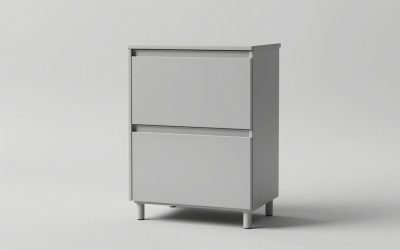
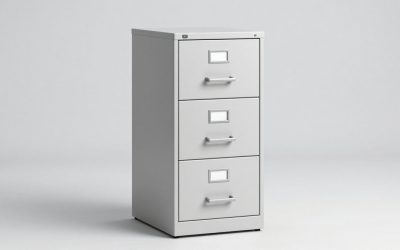
HON 4-Drawer Letter File - Full-Suspension Filing Cabinet with Lock, 52 by 25-Inch Light Gray (510 Series - Model 514PQ)
Chosen because it specifies Full-Suspension Filing Cabinet with Lock and 52 by 25-Inch Light Gray (510 Series.
View on Amazon
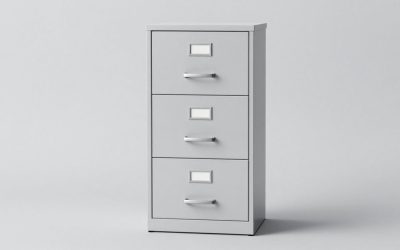
HON MOD Support Pedestal File Cabinet, 3 Storage Drawers, Mahogany
Chosen because it specifies 3 Storage Drawers and Mahogany.
View on Amazon1. Noise Control
Most noise comes from drawer slides and the cabinet body resonating, not the files themselves.
- Slides: Look for full-extension ball-bearing slides with soft-close or dampened close. They eliminate the slam and reduce metal-on-metal scrape. Basic friction or roller slides are louder and tend to stick when loaded.
- Construction: Welded steel bodies transmit less vibration than single-wall stamped metal. On wood cabinets, dovetailed or dowelled drawers with 5/8-inch panels stay square and quieter than stapled particleboard boxes.
- Feet and floor contact: Adjustable levelers with nylon or felt pads prevent wobble on uneven floors and stop the cabinet from humming when you walk past. Add adhesive felt pads if the model sits on hardwood.
2. Finish That Blends With Home Furniture
High-gloss white or putty-gray vertical metal cabinets read as office furniture. For open living areas, choose:
- Low-sheen wood finishes: Oak, walnut, or ash veneer over engineered wood, or textured powder-coated metal in matte black, deep navy, or warm greige. These hide fingerprints and match media consoles.
- Flat-front drawers without label bars: Recessed pulls or long bar handles in brushed brass or matte black look like a dresser. Avoid card-holder frames and high-contrast handles.
- Top surface usability: A finished top that can serve as an end table or nightstand is essential in bedrooms. Solid wood, veneer, or high-pressure laminate tops handle a lamp and books; bare metal tops do not.
3. Height Fit for Real Rooms
Standard filing cabinets are 28 to 30 inches high for two drawers and 52 to 54 inches for four drawers. In a home, that height needs to relate to what is next to it:
- Nightstand height is typically 24 to 27 inches. A 26 to 28-inch 2-drawer cabinet aligns well as a nightstand without blocking outlets or window sills.
- Sofa arm height is typically 24 to 28 inches. A lateral cabinet used as a side table should be within 2 inches of the arm height so a lamp and remote are reachable.
- Desk height is 29 to 30 inches. If you plan to tuck a cabinet under a desk return, measure the underside clearance. Most 28-inch cabinets need at least 29.5 inches of knee space to slide under.
Lateral vs. Vertical for Tight Corners and Small Rooms
The choice is not just about file capacity. It is about wall space, drawer projection, and how you move around the room.
| Feature | Vertical (2-Drawer) | Lateral (2-Drawer) |
|---|---|---|
| Typical footprint (W x D) | 15″ x 22″ to 18″ x 26″ | 30″ x 18″ to 36″ x 20″ |
| Height (2-drawer) | 27″ to 29″ | 28″ to 31″ |
| Drawer front needed to fully open | 43″ to 45″ in front of cabinet | 43″ to 45″ in front of cabinet |
| Works in a 10×12 ft bedroom with queen bed? | Yes – fits in 18″ gap beside closet or between window and corner | Yes, if used as console/nightstand along the 10 ft wall; needs 36″+ of uninterrupted wall |
| File capacity (letter/legal) | ~ 1.5 to 2 linear feet per drawer | ~ 2.5 to 3 linear feet per drawer |
| Best use case | Narrow gaps, closets, beside a desk | Under a window, as a media or entry console, for shared household files |
For tight corners: Choose vertical if you have less than 30 inches of available wall width. Its narrow face lets you place it in a corner at a 90-degree angle to the bed or sofa and still open the drawer without hitting the bed frame. Choose lateral if you have a longer wall and want the top to function as furniture. A 30-inch-wide lateral centered under a window in a 10×12 ft room leaves about 45 inches on each side for circulation and does not block the closet door swing, which typically needs 32 inches of clearance.
Do not place any filing cabinet where the open drawer blocks the primary path to the door. You need a minimum 36-inch walkway, and an open file drawer adds 20 to 22 inches of projection. In practice, that means 42 to 48 inches of free floor depth in front of the cabinet when a drawer is open.
Material and Construction Trade-Offs
Finish affects noise and look, but the core material affects weight, durability, and how long the drawer stays quiet.
| Material | Weight (2-Drawer) | Weight Limit Per Drawer | Noise & Feel | What Wears First | Price Range (General Market) |
|---|---|---|---|---|---|
| Solid wood / wood veneer on plywood | 70 to 110 lbs | 40 to 60 lbs | Very quiet, soft close; warm to touch | Veneer chips at corners, drawer bottom sag if overloaded | Usually $400–$800 |
| Engineered wood (MDF/particleboard with laminate) | 55 to 85 lbs | 30 to 45 lbs | Quiet initially, can loosen after 2–3 moves | Cam locks loosen, laminate peels near moisture | Usually $150–$400 |
| Steel (powder-coated) | 60 to 95 lbs | 50 to 75 lbs | Can ring if thin; quiet with ball-bearing slides and dampers | Paint chips at drawer edges, slides need cleaning | Usually $200–$550 |
| Mixed (steel frame + wood top/drawer fronts) | 65 to 90 lbs | 45 to 65 lbs | Quiet, sturdy, furniture-like | Joint between metal and wood loosens if moved often | Usually $300–$650 |
For bedrooms and living rooms where you want silence and a furniture look, mixed construction or veneer on plywood offers the best balance. Solid wood is ideal but heavier to move up stairs. Engineered wood keeps the price down and looks good from the outside, but it is the least forgiving of overloading and humidity. Steel is the most durable for heavy paper, yet you should choose a model specifically marketed for home use with soft-close slides and a textured finish to avoid the office clang.
Pick by Your Situation: A Decision Matrix
Match your room and lifestyle before you lock in a style.
| Your Situation | Best Fit | Why |
|---|---|---|
| Small apartment, no dedicated office, 10×12 ft bedroom | 2-drawer vertical, 15″–18″ wide, wood or textured steel | Narrow footprint tucks beside closet; doubles as nightstand without dominating the wall |
| Open living room where cabinet is visible daily | 2-drawer lateral, 30″–36″ wide, flat front, wood top | Top serves as console or side table; wide, low shape reads as furniture, not equipment |
| Renters who move every 1–2 years | Steel or steel-frame with wood top | Survives disassembly and truck vibration better than MDF; fewer cam-lock failures |
| Kids and pets, high-traffic area | Steel or high-pressure laminate top, soft-close, interlocking drawers | Wipes clean, resists scratches, prevents tip-over if a child pulls one drawer open |
| Back pain or limited bending | 2-drawer at 28″–30″ height, not 52″ 4-drawer | Files at waist to knee height reduce bending; top drawer at 24″–26″ is easier to reach than a bottom drawer at 8″ |
| Need legal-size or large archive | 2-drawer lateral, 36″ wide | Accommodates legal files side-to-side without front-to-back hangers that jam |
Assembly, Moving and Durability Realities
Product listings rarely mention what happens after delivery.
- Box weight and doorways: A 2-drawer wood or steel cabinet usually ships in one box weighing 65 to 110 lbs. Standard interior doorways are 28 to 32 inches wide and 80 inches tall. A 36-inch-wide lateral box will not turn easily in a tight hallway. Measure staircase turns and elevator doors before ordering. Vertical boxes fit through all standard doors.
- Assembly time: Welded steel and pre-assembled wood cabinets are usable in 10 to 20 minutes (attach feet, install hang rails). Flat-pack engineered wood takes 60 to 120 minutes and requires a second person to align drawers. Misaligned drawers are the most common cause of scraping noise.
- Clearance for hardware: Leave 1 inch of space from the wall for anti-tip hardware and outlet access. If the cabinet has a finished back, you can float it as a room divider, but you still need 44 inches of drawer clearance on the working side.
- What wears first: On engineered wood, the drawer bottom and cam locks. On steel, the slide bearings and paint at the drawer lip. On all types, the file hang rails bend if you exceed the weight limit. Keep each drawer under 45 lbs for wood and under 65 lbs for steel for quiet, smooth operation.
- Lock and security: Most home models include a single cam lock that locks all drawers. It is a privacy lock, not a security safe. For sensitive documents, choose a model with a core-removable lock so you can rekey if needed.
Brands commonly available in 2026 for home-friendly options include IKEA, Bush Furniture, Sauder, HON, and Pottery Barn, with both vertical and lateral formats in wood and mixed-metal collections. Compare specifications rather than marketing images, and confirm slide type, drawer weight rating, and finished top dimensions before you buy.
Recommended Picks by Home Scenario
Best Vertical for a Bedroom Corner
A narrow 15 to 18-inch vertical with a 28-inch height in walnut veneer or matte powder-coated steel. Look for full-extension ball-bearing slides with soft close and a finished top that can hold a 10 to 12-inch table lamp. This configuration usually runs $200–$450 and leaves floor space for a laundry hamper beside it.
Best Lateral to Double as a Console
A 30 to 32-inch low lateral in mixed construction — steel frame, wood top, flat-front drawers — with recessed pulls. It sits under a window or behind a sofa, stores household files and photo boxes, and provides a surface at 28 to 30 inches for a TV or decor. Expect a market range of $350–$650 for this type with dampened slides.
Quietest Option for a Shared Living Area
A wood-veneer or MDF cabinet with dovetailed drawers, soft-close slides, and felt-lined drawer bottoms. Wood absorbs vibration better than thin steel, so the open-close sound is a muted thud instead of a metallic ring. Keep it under 60 lbs per drawer to maintain that quiet close.
Frequently Asked Questions
Can I use a lateral filing cabinet as a nightstand?
Yes, if it is 26 to 28 inches high and 18 to 20 inches deep. That depth matches most nightstands and keeps the lamp within arm’s reach from the bed. Confirm the top is finished and weight-rated for at least 50 lbs to support a lamp, books, and a water carafe.
How much floor space do I really need in front of the cabinet?
Plan for 42 to 48 inches of open floor depth when the drawer is open. The drawer itself projects 20 to 22 inches, and you need 22 to 26 inches to kneel or stand and flip through files without backing into the bed or sofa.
Do I need an anti-tip kit at home?
Yes for any 2-drawer unit that will be opened while loaded, especially in homes with children or pets. Most cabinets include a wall anchor and an interlock that prevents more than one drawer from opening at a time. Install the anchor into a stud, not just drywall.
What file size should I plan for?
Letter size (8.5 x 11 inches) is standard for home office and medical documents. If you store legal-size contracts or house closing papers, choose a 36-inch lateral or a vertical that specifically lists legal-size compatibility, as many 15-inch verticals only fit letter front-to-back.