Key takeaways
- Standard cam lock with key: Found on most metal lateral and vertical cabinets. Cheap, easy to replace, but low pick resistance. Best for keeping children or roommates from casually opening the drawer. Keys can be duplicated at any hardware store.
- Tubular or high-security key lock: Used on fire-resistant lines from SentrySafe and FireKing. More pick-resistant and keys are harder to duplicate. Often comes with two keys; register the key code in a separate location.
- Combination dial lock: No keys to lose. Mechanical dials are reliable for decades and do not require batteries. Opening takes 20 to 30 seconds longer, which matters for daily-use files.
- Electronic keypad or digital lock: Allows multiple codes and quick access. Requires 4 AA batteries, usually lasting 12 to 18 months. Choose a model with a backup key override hidden behind the keypad plate.
- Plunger or central locking bar: This is not a lock type but a mechanism that locks all drawers at once with one key turn. Essential on 2-, 3-, and 4-drawer cabinets so you are not locking each drawer individually.
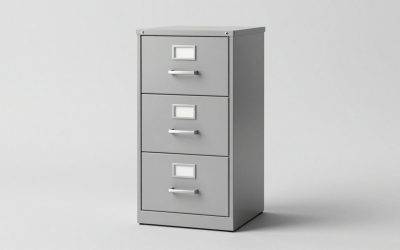
The best filing cabinet for important documents is a 2-drawer vertical fire-resistant cabinet with a UL 72 Class 350 rating, a high-security key or combination lock, and hanging file rails sized for letter and legal documents, because it protects against fire while keeping passports, deeds, and certificates organized and accessible at home.
What Makes a Filing Cabinet Safe for Important Documents
Not every locking cabinet protects paper. A standard office filing cabinet from brands like HON, Lorell, or Bush Business Furniture will keep documents organized and deter casual access, but it will not survive a house fire. For irreplaceable documents, you need to separate three functions: security from theft or tampering, protection from fire and water, and organization that prevents damage to the documents themselves.
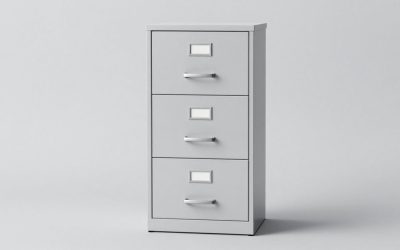
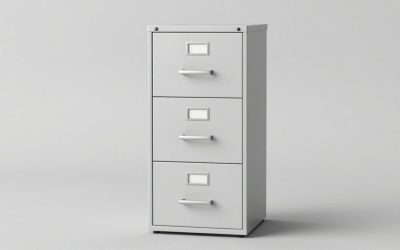
For most homes, a vertical cabinet 28 to 32 inches deep and 15 to 18 inches wide is the right footprint. It holds 80 to 120 letter-size files per drawer without dominating a home office. A typical 2-drawer fire-resistant model weighs 250 to 400 pounds empty, so plan for placement on a ground floor or near a load-bearing wall, and confirm your doorway is at least 30 inches wide and your hallway allows a 36-inch turning radius for delivery.
Lock Types Compared: Which Actually Protects Documents
The lock determines who can open the cabinet and how easily it can be bypassed. For home use, these are your realistic options:
- Standard cam lock with key: Found on most metal lateral and vertical cabinets. Cheap, easy to replace, but low pick resistance. Best for keeping children or roommates from casually opening the drawer. Keys can be duplicated at any hardware store.
- Tubular or high-security key lock: Used on fire-resistant lines from SentrySafe and FireKing. More pick-resistant and keys are harder to duplicate. Often comes with two keys; register the key code in a separate location.
- Combination dial lock: No keys to lose. Mechanical dials are reliable for decades and do not require batteries. Opening takes 20 to 30 seconds longer, which matters for daily-use files.
- Electronic keypad or digital lock: Allows multiple codes and quick access. Requires 4 AA batteries, usually lasting 12 to 18 months. Choose a model with a backup key override hidden behind the keypad plate.
- Plunger or central locking bar: This is not a lock type but a mechanism that locks all drawers at once with one key turn. Essential on 2-, 3-, and 4-drawer cabinets so you are not locking each drawer individually.
If your concern is fire plus privacy rather than theft, a high-security key lock is sufficient. If you need to grant access to a spouse or attorney without sharing a physical key, a digital keypad with two programmable codes is more practical.
Fire and Water Resistance Ratings Explained
Marketing terms like “fireproof” mean nothing without a tested rating. Look for these specific certifications:
| Rating / Standard | What It Tests | Protection Time | Exterior Tested Temp | Interior Must Stay Below |
|---|---|---|---|---|
| UL 72 Class 350 | Paper documents | 1 hour or 2 hours | 1700°F (927°C) for 1 hr | 350°F (177°C) |
| UL 72 Class 150 | Magnetic media, USB drives | 1 hour | 1700°F (927°C) | 150°F (65°C) |
| UL 72 Class 125 | Flexible discs, film | 1 hour | 1700°F (927°C) | 125°F (52°C) |
| ETL Verified / JIS | Fire resistance (non-UL) | 30 min to 1 hour | 1550°F to 1700°F | 350°F |
| Manufacturer “fire-resistant” no rating | Unverified insulation | Not standardized | Varies | Not guaranteed |
For passports, deeds, birth certificates, and paper titles, UL 72 Class 350 – 1 Hour is the benchmark for home use. Paper chars at 400°F to 450°F, so staying below 350°F inside preserves it. Class 150 and Class 125 are needed only if you store backup hard drives or old photo negatives inside the same cabinet.
Water resistance is separate. Fire-resistant cabinets often include a water-resistant labyrinth seal that protects against sprinkler spray and fire-hose water for 24 hours after a fire. If you live in a flood-prone area, look for an explicit ETL water-resistance verification or a model with a raised base. Standard metal cabinets have no water seal and will wick water into the bottom drawer within minutes.
Construction and Material Trade-Offs
Weight, durability, and fire protection come from construction, not just thickness of metal.
| Type | Typical Weight (2-Drawer) | Fire Protection | Durability / What Wears First | Best For |
|---|---|---|---|---|
| Double-walled steel with gypsum/concrete insulation | 280 – 420 lbs | UL 72 Class 350 1-hour | Drawer slides and lock mechanism; insulation never needs replacing. Requires professional moving. | Irreplaceable documents, long-term home storage |
| Single-walled steel (standard office cabinet) | 80 – 130 lbs | None | Paint chips, drawer rollers loosen after 3-5 years of daily use | Day-to-day files where fire is not a concern |
| Steel exterior with wood veneer wrap | 110 – 160 lbs | None or 30-minute unrated | Veneer edge peels in humidity; steel still dents | Home office where aesthetics matter more than fire rating |
| Solid wood or engineered wood lateral | 90 – 140 lbs | None | Bottom sags if loaded over 60 lbs per drawer; humidity swells MDF | Decorative storage, not protection |
A true fire-resistant cabinet uses a double wall filled with insulating material. That insulation makes the cabinet extremely heavy and the drawers shallower by about 1.5 inches on each side compared to a standard cabinet. Check interior drawer dimensions before you buy: a standard letter drawer is about 12.75 inches wide inside, while a fire-resistant drawer may be only 11 inches wide, which still fits letter files but tightly.
Interior Organization for Passports, Deeds, and Certificates
How you file matters as much as the cabinet itself. Heat, humidity, and over-stuffing damage documents faster than handling does.
- Hanging file rails: Confirm the drawer includes adjustable rails for both letter (11.75-inch) and legal (14-inch) sizes. Deeds and some property certificates are legal-size; folding them to fit letter files creates permanent creases.
- File folders vs. envelopes: Use acid-free hanging folders for categories (Identity, Property, Medical, Taxes) and archival polypropylene sleeves inside for passports and birth certificates. Avoid vinyl sleeves, which off-gas and yellow documents.
- Passport and card storage: Do not stack passports at the bottom of a drawer under heavy files. Use a small interior locking compartment or a hanging file box insert. Most FireKing and SentrySafe fire cabinets include a top tray or small lockable compartment for this purpose.
- Weight distribution: Limit each drawer to 70 to 80 pounds of paper. Overloading bends slides and makes a tall lateral cabinet top-heavy. If you have a 4-drawer vertical, load the heaviest files in the bottom drawer.
- Clearance for use: Allow 48 to 52 inches of clear space in front of a vertical cabinet to fully extend a drawer and stand beside it. For a lateral cabinet 36 inches wide, you need 60 inches of front clearance and 4 inches of side clearance for ventilation and for the fire seal to function.
Choosing by Your Situation
Match the cabinet to your actual risk and space, not the maximum spec available.
| Your Situation | Recommended Cabinet Type | Lock Priority | Why |
|---|---|---|---|
| Small apartment or renter, 10×10 ft home office | 2-drawer vertical fire-resistant, 15″W x 28″D | High-security key | Fits beside a desk without blocking flow; under $600 usually; can move with a furniture dolly without disassembly |
| Family home, need daily access for kids’ records | 2-drawer vertical fire-resistant with top lockbox | Digital keypad | Quick access with code for two adults; keeps passports separate from school files |
| Homeowner storing deeds, wills, 20+ years of records | 4-drawer vertical UL 72 Class 350 – 1 hour | Combination dial | Maximum capacity without needing a second cabinet; mechanical lock needs no battery over decades |
| Home business with clients’ sensitive files | Lateral fire-resistant 36″W, lock all drawers | Tubular high-security key + file room door lock | Wide drawers fit client folders flat; central locking bar ensures compliance when you step away |
| On a budget, fire is low concern | Standard steel vertical + separate UL-rated fire safe box inside bottom drawer | Standard cam lock | Usually $200–$400 for cabinet plus $150–$300 for small fire box; lighter and easier to move |
Assembly, Moving, and Long-Term Durability
Fire-resistant cabinets ship fully assembled on a pallet and weigh 250 to 500 pounds. Standard steel and wood cabinets ship in flat boxes weighing 60 to 130 pounds and require 30 to 60 minutes of assembly for slide rails, handles, and locks. Measure every doorway, elevator, and stair turn along the delivery path; a 36-inch wide lateral cabinet will not make a 28-inch apartment doorway even tilted.
Place a fire-resistant cabinet on a hard, level surface. Carpet padding can cause the heavy cabinet to settle unevenly and bind drawers over time. If you must place it on carpet, use a low-profile furniture mat rated for at least 600 pounds. Leave 1 to 2 inches behind the cabinet for air circulation; insulated cabinets trap heat behind them if pushed flush against an exterior wall in summer.
What fails first is rarely the shell. Drawer suspensions wear after 5 to 8 years of daily opening, and electronic locks may need a keypad replacement after 7 to 10 years. Keep the lock’s backup keys in a separate fire-resistant location, not inside the cabinet they open. Lubricate suspension rails with a dry silicone spray once a year and avoid oil, which attracts paper dust.
How Much to Spend in 2026
Pricing reflects insulation and certification, not just brand. Standard 2-drawer steel vertical cabinets without fire rating are usually $200 to $450. UL 72 Class 350 1-hour 2-drawer vertical cabinets from established fire-protection brands are usually $700 to $1,400. Four-drawer UL-rated verticals are usually $1,200 to $2,500. Lateral fire-resistant models run higher due to wider insulated panels. If a listing claims a 1-hour UL rating for under $500 for a full-size cabinet, verify the UL certificate number on UL’s database before buying.
FAQ
Do I need a fire-resistant cabinet if I have a small fire safe? A small safe is ideal for 10 to 20 documents but becomes impractical when you have hanging files, tax folders, or legal-size deeds. Many homeowners use both: a 2-drawer fire file cabinet for organized records and a small Class 350 safe inside it for passports and original wills.
Will a fire-resistant filing cabinet protect digital backups? Only if it is rated Class 150 or Class 125. A standard Class 350 cabinet will keep the interior below 350°F, which saves paper but melts USB drives and hard drives. Store digital backups in a separate Class 150 media safe or offsite.
Can I bolt a filing cabinet to the floor? You should not drill through the double wall of a fire-resistant cabinet, as it breaches the insulation and voids the UL rating. Instead, use a floor anchor kit that clamps to the base or place it against a corner to prevent tipping, especially for tall 4-drawer models.