Our Top Picks
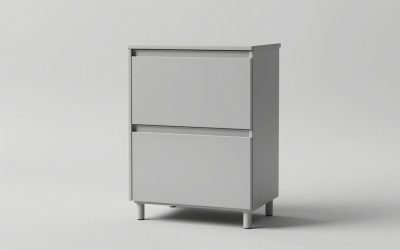
 HON 10563NN 10500 Series Two-Drawer Lateral File 36w2 Drawer38.13 x 22.13 x 32.25 inches0.06 PoundsCheck on Amazon
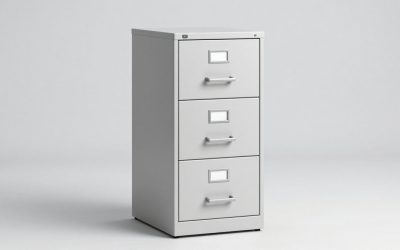
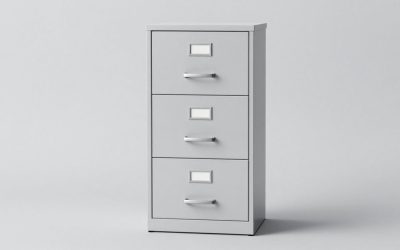
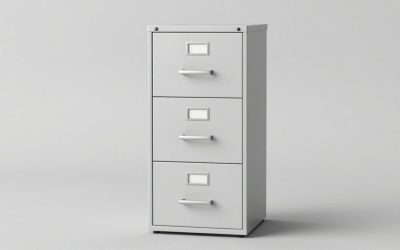
The best 2 drawer filing cabinet for small spaces and home offices is a 26 to 28 inch high, 14 to 18 inch wide, 18 to 25 inch deep vertical or mobile pedestal model that fits under a standard 29-30 inch high desk, holds letter-size hanging files without extra adapters, and offers a lock if you store tax or medical records.
Will a 2 Drawer Filing Cabinet Fit Under Your Desk?
Under-desk fit fails more often on depth and clearance than on height. Most desks are 29 to 30 inches high with an open kneehole of 25 to 27 inches from floor to underside of desktop or drawer. A 2 drawer filing cabinet needs at least 1 inch of top clearance for ventilation and to avoid scratching the desk, plus room to open drawers fully.

HON, H682LP, 600 Series Two-Drawer Lateral File, 36w x 18d x 28h, Black
Chosen because it specifies H682LP and 600 Series Two-Drawer Lateral File.
View on AmazonHON 10563NN 10500 Series Two-Drawer Lateral File 36w x 20d x 29-1/2h Mahogany
Picked as a relevant option in this category.
View on AmazonMeasure these three points before you buy:
- Available height: Measure floor to the lowest point under your desk. Subtract 1 inch. Your cabinet must be shorter than that number. For a 29 inch desk with a 25.5 inch kneehole, choose a cabinet 24 inches high or shorter. For a 30 inch standing desk in fixed position, you can go up to 27-28 inches.
- Available width: Measure between desk legs or pedestal sides. Most 2 drawer filing cabinets are 14 to 18 inches wide. Leave 1.5 to 2 inches on the side for the lock and for your chair’s armrests to pass.
- Available depth and drawer throw: Standard desk tops are 24 or 30 inches deep. If the cabinet sits fully under the desk, its depth plus handle (add 1 to 1.5 inches) should be less than the desk depth. More importantly, you need 18 to 22 inches of clear floor space in front of the cabinet to pull a letter-size drawer fully open. In a galley layout or closet office, a mobile cabinet on casters that rolls out solves this.
| Cabinet Type (2 Drawer) | Typical Height | Typical Width | Typical Depth (Box Only) | Footprint | Fits Under 29″ Desk? | Ideal Use |
|---|---|---|---|---|---|---|
| Mobile Pedestal (on casters) | 19.5 – 27 in | 14 – 15.75 in | 18 – 22 in | 2.3 – 2.7 sq ft | Yes, if under 24.5 in high for desks with center drawer | Under-desk, small apartment, shared desk |
| Vertical Metal (freestanding) | 24 – 28.5 in | 14 – 18.25 in | 25 – 26.5 in | 2.6 – 3.4 sq ft | Often no – check kneehole height, many are 28.5 in | Corner or along wall in 10×12 ft room |
| Lateral Style – 2 Drawer (wider) | 28 – 30.5 in | 30 – 36 in | 18 – 19.5 in | 3.8 – 4.9 sq ft | No – doubles as printer stand beside desk | Home office with wide wall, side storage |
| Wood / Engineered Wood Credenza Height | 26 – 29.5 in | 16 – 20 in | 18 – 22 in | 2.0 – 3.1 sq ft | Borderline – works with 30 in desks only | Living room office where look matters |
In a typical 10×12 ft home office with a 60×30 inch desk and a bookcase, a vertical metal model at 15×25 inches leaves a 36 inch circulation path required by most building codes for comfortable chair movement. A lateral 2 drawer model at 32 inches wide will block that path unless placed on the 10 ft wall. For closets or alcoves under 5 ft wide, choose a mobile pedestal under 15 inches wide so you still have 30 inches of clearance to enter and turn.
Letter-Size File Fit: What to Check Inside the Drawer
A 2 drawer filing cabinet marketed for home use should hold letter-size (8.5 x 11 inch) hanging files front-to-back without bending. The critical interior dimension is the rail-to-rail width of 12 to 12.3 inches and a usable depth of 14.5 to 15.5 inches for a standard hanging folder with tabs.
- Vertical cabinets (narrow): Files hang perpendicular to the drawer front (front-to-back). This is the correct orientation for 14-15 inch wide drawers and lets you see tabs clearly. Check that included hanging rails are adjustable and not fixed 1/2 inch too narrow.
- Mobile pedestals: Often include one file drawer and one box drawer. Confirm the bottom drawer is a full file drawer with 9.5 to 10.5 inches of interior height for hanging folders, not a shallow utility drawer.
- Lateral cabinets (wide): Files hang side-to-side. Better for high volume but wastes floor space if you only need 40-60 folders, which is the average capacity of a 2 drawer vertical cabinet.
- Legal-size note: If you occasionally file legal (8.5 x 14 inch), you need a 18 inch wide lateral or a vertical cabinet rated for letter/legal with side-to-side rails. Most 14-15 inch vertical models do not fit legal without an adapter bar.
Wood vs Metal for a 2 Drawer Filing Cabinet
Durability, noise, weight and moving ease are where wood and metal diverge most. Both can last 10+ years, but they fail in different places.
| Feature | Steel Metal | Solid Wood / Veneer | Engineered Wood (Laminate/MDF) |
|---|---|---|---|
| Typical Weight (empty) | 45 – 68 lbs | 55 – 85 lbs | 40 – 60 lbs |
| Weight Capacity Per Drawer | 60 – 80 lbs | 45 – 65 lbs | 35 – 50 lbs |
| Durability | Dents but resists warping and humidity; ball-bearing slides last longer | Resists dents, can warp if humidity swings; solid wood slides can swell | Chips at corners, swells with water exposure, cam-lock joints loosen first |
| Noise and Feel | Louder open/close, needs dampened slides | Quieter, softer close feel | Moderate noise, depends on slide quality |
| Fire and Security | Best for fire resistance (not fireproof unless rated), holds locks well | Low fire resistance | Low fire resistance |
| Appearance | Office look, fewer finishes (black, grey, white, putty) | Furniture look, stains and wood grain | Many colors and woodgrains, edge banding visible |
| General Market Range (2026) | Usually $150 – $380 | Usually $350 – $700 | Usually $120 – $280 |
What wears first: On metal, the paint at the drawer handle and the caster locks. On engineered wood, the particleboard around the slide screws – once stripped, drawers sag under file weight. On solid wood, the drawer bottom (often thin plywood) can bow if overloaded beyond 50 lbs. Look for steel ball-bearing full-extension slides rated for at least 50 lbs and a drawer bottom thickness of 0.35 inch or more if you file dense paper.
Lock Options Explained
Not every home office needs a lock. If you store W-2s, I-9s, medical EOBs, or client records, choose a lock with a key you can duplicate. If you only store manuals and household files, skip the lock and save $20 to $60.
- Single-key cam lock (most common): One key locks both drawers via a central bar. Usually includes two keys. Simple and reliable on metal cabinets from brands like HON, Lorell, and Alera. Check whether the lock secures both drawers or just one – cheaper pedestals sometimes lock only the top drawer.
- Gang lock with interlock: Locks both drawers and prevents tipping by allowing only one drawer open at a time. Important if you have children who might climb or pull. Common on commercial-grade vertical files, usually $250 and up.
- Plunger or push-button lock: Found on some wood pedestals from Bush Furniture and Sauder. Convenient for daily use but easier to pick and replace. Verify it engages automatically when you push the drawer closed.
- Hasps for padlock: Rare on modern home furniture, more on classic metal card-file styles. Allows a heavier padlock but looks industrial.
For a 2 drawer filing cabinet on casters, a locking caster is not the same as a file lock. Casters lock the wheels, not the documents. If you need security and mobility, you need both: a file lock on the drawers and two locking casters.
Decision Matrix: Which 2 Drawer Filing Cabinet Fits Your Situation
| Your Situation | Best Type | Why | Dimensions to Target |
|---|---|---|---|
| Small apartment / desk in living room | Mobile pedestal, engineered wood or metal with wood top | Rolls under desk by day, out for access; looks like furniture | Under 24 in H x 14-15 in W x 18-20 in D; casters, single lock |
| Dedicated 10×12 ft home office | Vertical metal 2 drawer | Highest capacity per sq ft, strongest slides for paper weight | 28.5 in H x 15 in W x 25 in D; gang lock, full-extension slides |
| Renter who moves yearly | Metal vertical or mobile metal | Handles moves and doorways (28-30 in doors) without chipping; disassembles less | Under 65 lbs, 18 in W max to fit through narrow hallways |
| Kids and pets at home | Metal vertical with interlock + counterweight | Anti-tip interlock and heavier base prevents tipping if drawer is climbed on | Interlock system, 60+ lb capacity slides, add wall anchor if lightweight |
| Back pain / frequent access | Mobile pedestal with full-extension slides | Roll it beside your chair so you don’t twist; full extension means no reaching deep into drawer | Full-extension (100%) ball-bearing slides, soft-close |
| Design-first office | Solid wood or veneer 2 drawer | Matches desk and credenza, quieter | 26-28 in H to align with desk height as side table; lock optional |
Assembly, Moving and Real-World Durability
Expectations from listings often understate effort. A metal 2 drawer filing cabinet usually ships assembled except for handles and casters – box weight 48 to 72 lbs, one-person carry possible but awkward through a 28 inch apartment doorway. Measure your entry and elevator first. Engineered wood models ship flat-pack in one or two boxes at 42 to 62 lbs, require 45 to 90 minutes with a screwdriver and included hex key, and need a second person to align drawers squarely or they will bind.
Moving tips: Remove files (paper is heavy: a full letter drawer of paper is 40 to 55 lbs), lock or tape drawers, and remove casters if they snag on thresholds. For engineered wood, avoid dragging – the bottom panel crushes at the caster inserts if overloaded. Tighten cam locks every 12 months and wax metal slides lightly if they squeak; dust is the main cause of sticky drawers in home offices.
Check doorway and stair width: A 25 inch deep vertical cabinet needs 26.5 inches of depth with the handle. It will not turn easily in a 30 inch hallway with a 90-degree turn. A mobile pedestal under 20 inches deep is far easier in tight layouts.
Quick Spec Checklist Before You Order
- Confirmed height under desk with 1 inch clearance, width with 1.5 inch side clearance, and 18+ inches in front for drawer throw
- Interior rail width 12+ inches for letter hanging files, full-extension slides
- Per-drawer weight rating at least 50 lbs for paper
- Lock type that matches your security need, and interlock if anti-tip matters
- Slide type: steel ball-bearing over nylon roller for longevity
- Box weight and assembled footprint versus your doorway and the 36 inch circulation path in the room