Our Top Picks
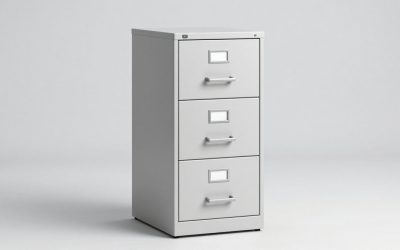
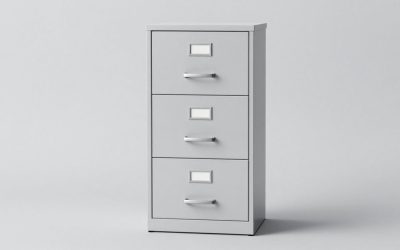
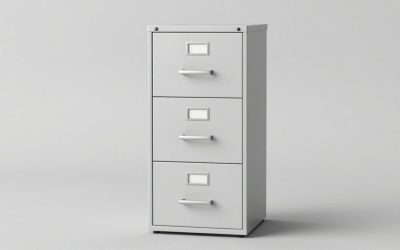
 HON 4 Drawer Lateral File Cabinet with Lock4 Drawers21.31 x 214 x 56.06 inches5.9 poundsCheck on Amazon
 HON Brigade 800 Series Lateral File with 44-Drawer21.31 x 44.13 x 57.32 Inches206 poundsCheck on Amazon
The best filing cabinet for comics is a 2-drawer lateral filing cabinet with at least 10.5 inches of usable vertical drawer height, full-suspension rails rated for 75+ lbs per drawer, and a flat bottom that allows bagged and boarded comics to stand upright without hanging folders.
Standard vertical letter-size cabinets are usually too narrow and too shallow to store comics safely for the long term. Comics stored upright need consistent support to prevent spine roll, leaning, and warping, which means drawer depth, interior width, and divider spacing matter more than the number of drawers. For homebestfurniture.com readers building a collection in 2026, the right cabinet protects value while fitting in a home office, spare bedroom, or closet.
HON 4 Drawer Lateral File Cabinet with Lock, Metal Filing Cabinets for Offices, Adjustable Hangrails for A4, Legal, Letter Files, 18" Deep, Light Gray
Chosen because it specifies Metal Filing Cabinets for Offices and Adjustable Hangrails for A4.
View on AmazonHON Brigade 800 Series Lateral File with 4 Drawers and Radius Pull, 42", Black
Chosen because it specifies 42" and Black.
View on Amazon
HON, H682LP, 600 Series Two-Drawer Lateral File, 36w x 18d x 28h, Black
Chosen because it specifies H682LP and 600 Series Two-Drawer Lateral File.
View on Amazon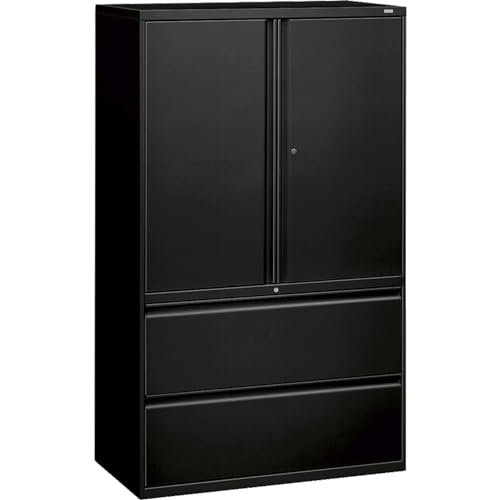
HON Brigade 800 Series Lateral File Cabinet with Storage, Letter/Legal, 2-Drawer, Black, 19 1/4" D
Chosen because it specifies Letter/Legal and 2-Drawer.
View on AmazonWhy Standard File Drawers Often Fail Comics
A modern bagged and boarded comic in a standard current-size bag (7-1/8″ x 10-1/2″) measures about 7.25 inches wide and 10.75 inches tall once sealed. Silver Age bags run slightly larger at 7-3/4″ x 10-3/4″. A box board adds another 1/16″ of thickness per comic, so 100 comics create a row roughly 20 to 22 inches long and weigh 35 to 45 lbs depending on paper stock.
Most office filing cabinets have two problems:
- Not enough vertical clearance: Many letter-size vertical cabinets offer only 9.5 to 10.25 inches of interior drawer height under the rails, so bagged comics hit the top frame or have to be tilted.
- Hanging rails get in the way: The side rails for hanging folders reduce usable width by 0.75 to 1.5 inches per side and create an uneven bottom. Comics leaning on rails develop a permanent curve at the bottom edge.
- Weak drawer slides: Light-duty slides rated for 35-50 lbs per drawer will sag or fail when a drawer is 3/4 full of comics. A full drawer of 150-175 comics can exceed 65 lbs.
Key Measurements Before You Buy
Measure your comics first, then the cabinet. Bring one bagged and boarded comic to confirm fit if you shop in person.
1. Usable Drawer Height and Depth
For upright storage, you need 11 inches of clear vertical height minimum to slide comics in and out without catching bags. For drawer depth front-to-back, look for:
- Vertical file cabinet (15″W x 25″D): Fits one row of comics front-to-back, but you lose space. Tight for dividers.
- Lateral file cabinet (30″W to 36″W x 18″D): Fits one long row side-to-side (30″ cabinet holds ~130-150 comics per row) or two short rows front-to-back if you use an interior divider.
- Wide lateral (42″W): Fits nearly 180-200 comics per row, but requires 48+ inches of wall space with clearance to open.
Account for floor space: A 36-inch wide lateral needs at least 42 inches of wall width and 36 inches of front clearance to fully extend a drawer (18-inch drawer + 18 inches for you to kneel). In a typical 10×12 ft home office, a 36-inch lateral along the 10-foot wall still leaves room for a 48-60 inch desk and chair circulation.
2. Weight Capacity Is Non-Negotiable
Paper is heavy. Use this estimate to avoid overloading:
- 50 bagged/boarded comics: ~18-22 lbs and ~10-11 inches of row length
- 100 comics: ~38-45 lbs and ~20-22 inches
- 150 comics: ~58-68 lbs and ~30-33 inches
Choose cabinets with full-extension ball-bearing slides rated for at least 75 lbs per drawer, ideally 100-120 lbs for lateral models. Steel cabinets from office brands like HON, Lorell, and Bisley routinely publish these ratings. Many wood or engineered wood lateral cabinets only rate 40-60 lbs per drawer, which is insufficient for a full comic drawer.
3. Interior Width vs. Hanging Folder Width
Letter-size hanging folders are 12.75 inches wide rail-to-rail, which is wasted space for 7.25-inch comics. If you use hanging folders for comics, the comic will slide side-to-side and lean. Better alternatives are flat-bottom drawers with vertical dividers or acid-free comic boxes placed inside the drawer.
Comparison: Cabinet Types for Comic Storage
| Cabinet Type | Typical Exterior (W x D x H) | Usable Drawer Height | Usable Interior Width | Weight Limit Per Drawer | Comics Per Drawer (Upright) |
|---|---|---|---|---|---|
| 2-Drawer Vertical Steel (Letter) | 15″ x 25″ x 29″ | 10.0″ – 10.25″ | 12.0″ | 75 – 90 lbs | 100 – 120 (1 row front-to-back) |
| 2-Drawer Lateral Steel (30″ Wide) | 30″ x 18″ x 28″ | 11.0″ – 11.5″ | 28.5″ | 100 – 120 lbs | 130 – 150 (1 row side-to-side) |
| 2-Drawer Lateral Steel (36″ Wide) | 36″ x 18″ x 28″ | 11.0″ – 11.5″ | 34.5″ | 100 – 150 lbs | 160 – 185 (1 row side-to-side) |
| 2-Drawer Wood / Engineered Wood Lateral | 30″ – 36″ x 18″ – 20″ x 30″ | 10.25″ – 11.0″ | 28″ – 34″ | 45 – 60 lbs | 90 – 120 (do not fully load) |
| 4-Drawer Vertical Steel (Letter) | 15″ x 25″ x 52″ | 10.0″ – 10.25″ | 12.0″ | 75 – 90 lbs | 100 – 120 per drawer |
The sweet spot for most home collectors is the 30-inch or 36-inch 2-drawer lateral. It keeps the height low enough to use as a printer stand or display surface (28-30 inches high), holds more comics per drawer without stacking, and keeps weight per drawer manageable.
Material and Construction Trade-Offs
| Material | Pros for Comics | Cons for Comics | General Market Range (2026) |
|---|---|---|---|
| Heavy-Gauge Steel | Highest weight capacity, full-extension slides, powder-coat resists humidity, flat drawer bottom | Industrial look, can condensate in damp basements, heavier to move (90-140 lbs assembled) | usually $300–$600 for 2-drawer lateral |
| Solid Wood (Hardwood Veneer) | Attractive for living spaces, stable bottom, good divider support | Expensive, heavy, needs humidity control to prevent wood movement | usually $600–$1,200+ |
| Engineered Wood (MDF/Particleboard with Laminate) | Low cost, furniture-like finish, lighter | Lowest weight limit, sags under sustained load, vulnerable to moisture and screw pull-out | usually $180–$400 |
For preservation, steel is the most practical. If you choose wood for aesthetics, reinforce the bottom with a 1/4-inch plywood liner and avoid overloading. Never store comics directly against bare MDF or particleboard, which can off-gas and retain moisture.
Dividers and Liners That Actually Protect Comics
Skip Hanging Folders
Hanging comic folders exist, but they suspend comics from rails and concentrate stress on the top edge of the bag. Over months, this creates a subtle bend. For long-term storage, a flat-bottom system is better.
Use These Instead
- Acid-free drawer liners: Line the metal bottom with buffered, acid-free cardstock or archival drawer liner. This prevents contact with metal, buffers pH, and stops bags from sticking in humidity. Avoid cork or rubber shelf liner, which can trap moisture.
- Metal or acrylic bookend dividers: Use heavy L-shaped dividers or bolt-in filing dividers every 25-40 comics to keep rows perfectly vertical. Spring-loaded follower plates designed for comic boxes also work inside lateral drawers if the drawer is 18 inches deep.
- Half-width comic boxes as inserts: A short acid-free comic storage box (often called a half-box, ~15.5″L) placed inside a 36-inch lateral drawer creates two supported rows front-to-back and makes it easy to pull a section out to browse. Ensure total box height is under 11 inches with lid off.
- Backer boards: Keep every comic with a full-back acid-free board. The board is the primary structure that prevents spine roll when comics are upright.
Leave 0.5 to 1 inch of expansion space at the end of each row. Over-packing is the fastest way to cause spine stress and torn bags.
Choosing by Your Situation
| Your Situation | Recommended Choice | Why |
|---|---|---|
| Small apartment or renter, 1-300 comics | 30″ wide 2-drawer steel lateral | Fits in closet or under window, can be moved through 29-30″ doorways, doubles as side table |
| Growing collection, 400-800 comics, home office | 36″ wide 2-drawer steel lateral (or two 30″ units side-by-side) | Maximizes comics per square foot, keeps weight per drawer under 120 lbs, top surface usable |
| Living room / design-sensitive space | Wood veneer lateral with steel drawer boxes inside (e.g., Bush Business Furniture style) | Looks like furniture but retains steel slide strength; add acid-free liner |
| Basement or garage storage, humidity risk | Steel lateral with powder coat, elevated on 1-2″ feet, plus silica gel and acid-free liners | Resists moisture better than engineered wood, elevated bottom prevents wicking |
| Kids and pets at home | Steel lateral with locking drawers and counterweight | Lock prevents tipping from climbing, keeps collection secure, heavy base resists pull-over |
Assembly, Moving, and Durability Realities
Filing cabinets are deceptively difficult to move. Plan ahead:
- Box weight and doorways: A 36-inch steel lateral ships at 85-115 lbs in one carton (typically 38″ x 22″ x 30″). Measure hallways and door frames – standard interior doors are 29-30 inches wide, so you will likely need to carry the carton on its side or unbox in the room.
- Assembly: Steel laterals usually arrive assembled except for feet and locks – 10-15 minutes. Engineered wood laterals require full assembly with cam locks and can take 60-120 minutes with two people. Pre-drill pilot holes if you add aftermarket dividers.
- What wears first: On cheap engineered wood units, the drawer bottom sags first, followed by slide screws stripping out of particleboard. On steel units, the slides themselves last 10+ years, but plastic drawer handles and lock cams are the weak points.
- Anti-tip safety: Never open two full comic drawers at once without a wall anchor or built-in counterweight. A single drawer of comics can weigh more than the cabinet itself. Anchor lateral cabinets to studs if children are present.
- Humidity control: Keep relative humidity at 35-50%. Even with acid-free liners, steel drawers can sweat in humid basements. Use a room dehumidifier rather than sealing comics in plastic tubs inside the drawer, which traps moisture.
How to Set Up a Drawer for Long-Term Protection
For each drawer: clean and dry the interior, lay an acid-free liner flat, place one divider at the front, load comics upright facing the same direction, insert a second divider snugly at the end of the row, and test that comics stand vertically without leaning even when the row is half-full. If they lean, add a third divider in the middle. Store the most valuable issues in the center of the row where pressure is most even, not at the very front where they take the most handling.
Frequently Asked Questions
Can I store comics flat (stacked) in a filing cabinet?
You can, but it is not recommended for more than 10-15 comics per stack. Horizontal stacking concentrates weight on the bottom issues and causes spine roll and board imprinting. Upright storage with dividers distributes pressure evenly.
Do I need hanging folders or acid-free folders for each comic?
No. A bag, acid-free board, and flat-bottom drawer with vertical dividers provide better support than hanging folders. If you prefer folders for organization, use acid-free buffered folders and still support the row with dividers so comics do not hang freely.
Will a standard office filing cabinet fit Silver Age comics?
Only if the drawer offers at least 11 inches of clear vertical height. Many letter-size vertical cabinets do not. Measure the interior height from the drawer bottom to the lowest obstruction, not the exterior height. Lateral cabinets almost always have sufficient height.