Key takeaways
- Aeron: usually $1,150–$1,900 depending on size and features (PostureFit SL, fully adjustable arms)
- Embody: usually $1,400–$2,000 depending on upholstery and frame color
- Sayl: usually $650–$950 depending on base and arm options
The best herman miller office chair for long work sessions depends on your body and work style: choose the Aeron if you run hot and want proven ergonomic support in three precise sizes, the Embody if you want pressure-free support for constant posture changes, and the Sayl if you want Herman Miller design and back support at a lower price and smaller footprint.
Herman Miller Office Chair Prices, Warranty, and Sizes at a Glance
All three chairs carry Herman Miller’s 12-year warranty covering parts and labor when purchased through authorized sellers, which is a major part of their value proposition compared to most office chairs that offer 2 to 5 years. Prices vary by configuration, finish, and retailer, but general market ranges in 2026 are consistent:
- Aeron: usually $1,150–$1,900 depending on size and features (PostureFit SL, fully adjustable arms)
- Embody: usually $1,400–$2,000 depending on upholstery and frame color
- Sayl: usually $650–$950 depending on base and arm options
Only the Aeron comes in multiple frame sizes. Embody and Sayl are one-size designs with broad adjustment ranges.
| Model | Sizes Available | Seat Height Range | Weight Limit | Warranty |
|---|---|---|---|---|
| Aeron Size A | Small (Size A) | 14.75″ – 19.25″ | 300 lbs | 12 years |
| Aeron Size B | Medium (Size B) | 14.75″ – 19.25″ | 350 lbs | 12 years |
| Aeron Size C | Large (Size C) | 14.75″ – 19.25″ | 350 lbs | 12 years |
| Embody | One size | 16″ – 20.5″ | 300 lbs | 12 years |
| Sayl | One size | 15.5″ – 20″ | 350 lbs | 12 years |
How to Choose Aeron Size A, B, or C
Aeron sizing is based on height and weight, not just preference. Using the wrong size reduces the benefit of the 8Z Pellicle suspension.
- Size A: Typically best for users around 4’10″–5’10” and under 150 lbs. Narrower seat depth and width prevent pressure behind the knees for smaller frames.
- Size B: Fits the widest range, typically around 5’2″–6’0″ and 130–230 lbs. This is the correct size for most buyers.
- Size C: Typically best for users around 5’10″–6’6″ and over 180 lbs. Wider and deeper seat plus higher weight capacity.
If you are between sizes, prioritize seat depth: you should have 2–3 fingers of clearance between the front edge of the seat and the back of your knees when sitting all the way back. The Aeron’s seat depth is fixed within each size, unlike the Embody and Sayl which have adjustable seat depth or flexible edges.
Aeron vs Embody vs Sayl: Head-to-Head for Long Work Sessions
All three are designed for 6 to 10 hour days, but they achieve comfort differently.
1. Aeron: Best for Heat Management and Precise Fit
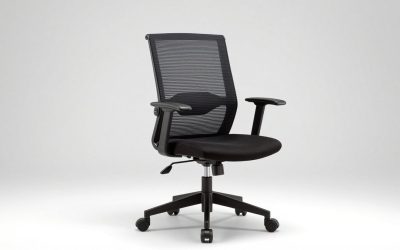
The Aeron uses 8Z Pellicle mesh for both seat and back, divided into eight zones of varying tension for support without foam. There is no upholstery to trap heat, which makes it the coolest option for warm offices or users who overheat in fabric chairs. Support comes from PostureFit SL, which provides adjustable support for the sacrum and lumbar region to encourage a natural forward tilt of the pelvis, and from the adjustable arms (height, depth, angle, and width).
The tilt is limited compared to the Embody, with a smooth recline and adjustable tilt limiter and forward tilt option. It excels for task-focused work, typing, and users who want a firm, suspended feel rather than cushioning. The mesh has no foam to compress, so seat feel stays consistent over years.
2. Embody: Best for Movement and Pressure Distribution
The Embody was designed with input from physicians and focuses on aligning your spine and increasing circulation. Its pixelated support system uses a matrix of flexible supports that conform to micro-movements, and the narrow backrest allows the arms and shoulders to move freely. Instead of locking you into one posture, it encourages subtle weight shifts that reduce pressure buildup during very long sessions.
The seat and back use a layered textile with foam underlay, not mesh, so it feels softer and more enveloping than the Aeron. Backfit adjustment lets you tune the backrest curvature to match your spine, and arm width, height, depth, and angle are all adjustable. It has the most generous recline range of the three and is often preferred by people with back sensitivity who change positions frequently.
3. Sayl: Best Value and Small-Space Fit
The Sayl uses a 3D Intelligent suspension back with elastomer strands that stretch to provide support without a rigid frame, inspired by suspension bridges. It provides sacral and lumbar support but with fewer adjustment points than the other two. The seat is foam over a suspension base, so it feels more like a traditional office chair but with better ventilation than a fully upholstered model.
The frameless back makes it visually lighter and physically smaller, which matters in tight rooms. It has fewer arm adjustments on standard configurations and a more upright recline profile. It is ideal for 4 to 7 hour days, shared home offices, or buyers who want Herman Miller ergonomics at a lower entry price.
| Feature | Aeron | Embody | Sayl |
|---|---|---|---|
| Suspension Type | 8Z Pellicle mesh, 8 tension zones | Pixelated Support, flexible ribs | 3D Intelligent elastomer back + foam seat |
| Seat Material | Mesh, no foam | Textile over foam and pixel matrix | Molded foam over suspension |
| Lumbar / Posture Support | PostureFit SL (sacrum + lumbar, adjustable) | Backfit (spine-conforming, adjustable) | Passive elastomer + optional lumbar |
| Arm Adjustment | Height, width, depth, angle | Height, width, depth, angle | Height, depth (width/angle on upgraded arms) |
| Recline Flexibility | Moderate, with tilt limiter | Widest range, most movement | Moderate, more upright |
| Temperature Regulation | Excellent (full mesh) | Good (breathable textile) | Good (open back, foam seat) |
Which Herman Miller Office Chair Should You Pick?
Use your actual work habits, body type, and room to decide rather than going by popularity alone.
| Your Situation | Best Fit | Why |
|---|---|---|
| You sit 8+ hours, overheat easily, want low maintenance | Aeron Size B or C | Full mesh stays cool, no foam to sag, precise sizing prevents pressure points |
| You have back sensitivity and shift positions constantly | Embody | Pixelated support distributes pressure and encourages healthy micro-movements |
| Small apartment, 10×12 ft bedroom office, or shared desk | Sayl | Smallest footprint (approx. 25″ W x 26″ D) and lighter visual scale saves 4–6″ vs. larger task chairs |
| Petite or tall frame outside average proportions | Aeron Size A or C | Only model with true small and large frame geometry, not just height adjustment |
| Renter who moves often or works from dining table | Sayl or Aeron | Sayl is lightest to move; Aeron’s mesh resists wear from frequent relocation |
| You prefer a soft, cushioned seat feel | Embody | Foam + textile feels cushioned while still supportive, unlike firmer mesh or foam slab |
Measurements, Room Fit, and Desk Compatibility
All three chairs need similar clearance to function properly, but footprint and desk pairing matter in a home office.
- Overall footprint: Aeron B is approx. 27″ W x 28″ D, Embody is approx. 29.5″ W x 30″ D, Sayl is approx. 25″ W x 26″ D. Allow at least 36″ behind the desk for full recline and 24″ of side clearance to slide in and out without hitting walls or filing cabinets.
- In a 10×12 ft room: With a standard 60″ x 30″ desk, the Sayl leaves about 42″ of walkway space on the opposite wall, while the Embody leaves about 38″. That difference determines whether a bookshelf or second chair fits comfortably.
- Desk height match: Standard fixed desks are 29″–30″ high. All three chairs adjust low enough for this height, but users under 5’4″ may need a footrest with any model at a 30″ desk to keep thighs parallel and feet flat. For sit-stand desks (adjustable 28″–45″), all models work well, with Embody’s higher max seat height giving more flexibility for perching at counter height.
- Doorway and floor considerations: Boxed chairs are delivered mostly assembled. Box dimensions are typically 28″–32″ wide, so they clear standard 30″ interior doorways. Weight is usually 45–60 lbs boxed, so moving upstairs requires two people or a dolly. Hard casters are standard for carpet; add felt pads or a chair mat for hardwood to prevent wear.
Materials, Construction, and What Wears First
| Component | Aeron | Embody | Sayl | Trade-off |
|---|---|---|---|---|
| Frame | Aluminum + recycled plastic | Aluminum + plastic spine | Plastic frame, aluminum base option | Metal bases last longer under heavy daily use than plastic |
| Suspension | Pellicle elastomer mesh | Polyester pixel matrix | Elastomer strands (back), foam (seat) | Mesh stays coolest but feels firm; foam feels soft but holds heat and compresses over time |
| Upholstery | None (mesh only) | Rhythm, Balance, Medley textiles | Mixed elastomer + fabric seat | Textiles offer color choice but absorb spills and pet hair more than mesh |
| Foam Density | No foam | Medium-density foam underlay | Medium-density molded foam | Higher density foam retains shape longer; low-density foam softens within 2–3 years of heavy use |
| First Wear Point | Arm pads, mesh edge | Seat textile, arm pads | Seat foam, elastomer tension | Arm pads are replaceable on all models; mesh and elastomer are more costly to replace than foam |
For homes with kids and pets, the Aeron’s mesh is the most resistant to hair, spills, and claw snags and can be vacuumed and wiped clean. The Embody and Sayl textiles benefit from regular vacuuming and immediate spot cleaning, and darker weaves hide wear better than light colors.
Assembly, Moving, and Long-Term Durability Realities
Herman Miller office chairs ship nearly fully assembled. Expect to attach the base, casters, and back or arms depending on model, which typically takes 15–30 minutes with included tools and no extra hardware. The heaviest component is the assembled seat and back unit, usually 35–50 lbs, so unboxing on the floor near your desk is easier than carrying the box.
For durability, the 12-year warranty reflects the expected service life of the tilt mechanisms, casters, and suspension. In daily home office use, the most common maintenance is tightening arm height mechanisms and replacing casters after 5–7 years on hard floors. Mesh and elastomer rarely sag but can lose tension if stored in direct sunlight or extreme heat. Foam seats will soften gradually; rotating posture and avoiding sitting on the edge extends foam life.
If you relocate frequently, keep the original box or use a moving blanket. The Y-shaped base and exposed tilt controls can scuff door frames if carried sideways through narrow hallways under 32″ wide.
Final Recommendation by Work Style
For all-day computer work where temperature control and a tailored fit matter most, the Aeron in the correct A, B, or C size remains the most precise tool. For creative work, calls, and users who recline and shift often, the Embody reduces pressure buildup best. For smaller rooms, tighter budgets, or shorter but still serious workdays, the Sayl delivers core Herman Miller ergonomics without the size, weight, or price of the other two.
If possible, sit in each model for at least 15 minutes with your feet flat and arms at desk height before deciding. Small differences in seat depth, back tension, and arm position become much more noticeable after the first 30 minutes than in a quick showroom test.
Choosing among the Aeron, Embody and Sayl is only the first decision. Configuration matters just as much as model name: the same chair can feel supportive or punishing depending on caster type, arm style, seat depth and how the tilt is set during the first week. The sections below add the checks that prevent the most common returns, and widen the shortlist for readers whose body, floor or shared-desk setup does not suit any of the three main models.
A Wider Decision Table
| Model | Support system | Seat feel | Sizing approach | Published capacity | Best use |
|---|---|---|---|---|---|
| Aeron | Tensioned mesh with adjustable sacral and lumbar support | Firm and cool, no cushion | Three frame sizes | Varies by size, highest in the large frame | Focused desk work in warm rooms |
| Embody | Flexible matrix that follows the spine | Softer, layered and enveloping | One size with sliding seat depth | Lower than Aeron large frame | Long sessions with frequent posture changes |
| Sayl | Elastomer strand back with foam seat | Upright and lightly cushioned | One size, compact footprint | Matches Aeron mid frame on paper | Smaller rooms and shorter workdays |
| Mirra 2 | Polymer or mesh back with woven suspension seat | Firm, responsive and cool | One size with adjustable front seat edge | In line with the flagship models | Shared desks and active sitters |
| Leap | Shape-changing back with glide seat | Cushioned with firm lumbar dial | One size with deep adjustment range | Higher than any model above | Buyers who want cushioned support and strong lumbar tuning |
| Gesture | Contoured back with arms that move in a wide arc | Cushioned and accommodating | One size with sliding seat depth | Higher than any model above | Device-heavy work across many postures |
Use the capacity figure as a ceiling with margin, not a target. A sitter close to the limit will compress foam, strain tilt parts and wear casters faster on any brand, so allow headroom when you compare published ratings.
Sizing and Compatibility Checklist
Work through this list before you order any configuration.
- Measure your thigh length while seated. You need a small gap between the seat front edge and the back of your knees. If the gap is missing, choose a model with sliding seat depth or an adjustable front edge rather than forcing a fixed-depth frame.
- Match seat height to desk height. With feet flat, your elbows should rest near desk level without lifting your shoulders. If the lowest seat setting still leaves your feet dangling at a fixed desk, plan for a foot support.
- Check arm clearance. Measure the underside height of your desk and any keyboard tray, then compare it with the lowest arm setting. Wide arm pads can collide with thick desktop edges and drawer units.
- Choose casters for your floor, not by default. Hard-floor casters roll more quietly and reduce scratching on wood and tile. Carpet casters suit low and medium pile. On very hard floors, a mat also reduces noise for neighbours below.
- Confirm doorway and lift access. Assembled flagship chairs are wide and awkward to rotate through narrow halls. Measure the tightest turn, not just the door width.
- For shared use, favour models with simple, repeatable controls. A chair that needs a long personal setup routine will rarely be reset correctly by a second sitter.
Set Up the Chair in the Right Order
Adjust in sequence, because each setting changes the next one. First set seat height so feet rest flat and knees sit level with or slightly below hips. Second set seat depth, where fitted, to leave that small knee gap. Third raise or lower the arms so forearms rest lightly without shoulder lift. Fourth set back support so the curve meets the small of your back, then set tilt tension so you can recline with gentle pressure and return upright without pulling. Live with that setup for several full workdays before changing it again; small aches in the first days often come from a posture change, not a wrong chair.
For care, vacuum mesh and suspension seats with a soft brush attachment, wipe frames with a damp cloth, and clear hair and grit from casters monthly so they roll freely. Keep suspension materials out of prolonged direct sunlight and away from radiators, which can dry and weaken elastomers over time. Arm pads and casters are the usual wear items and are replaceable on flagship models, so replacing a worn pad is far better value than replacing a sound chair.
Who Should Skip Each Model
Skip the Aeron if you dislike a firm seat edge, sit cross-legged for long periods, or want a soft cushioned feel. Its fixed depth within each size also makes correct size selection essential. Skip the Embody if your room runs warm, you need the highest capacity rating, or you prefer a simple chair with few moving parts. Skip the Sayl if you are tall, sit for very long uninterrupted stretches, or need full arm adjustment in every direction. Skip all three if a seller cannot state the exact configuration, condition and warranty terms in writing; at this level, an unclear listing is a reason to walk away, not a bargain to chase.
Common Mistakes Buyers Make
The most frequent mistake is buying a model name instead of a configuration. Arm style, lumbar option, tilt limiter, forward tilt and caster type change the chair you actually live with. The second mistake is choosing Aeron size by height alone, ignoring weight and thigh length. The third is judging comfort in a five-minute sit; pressure and heat problems usually appear after an hour. The fourth is buying a renewed or used flagship without checking the manufacture label under the seat, the gas cylinder action, and whether the tilt holds position without sinking or drifting. The fifth is ignoring floor type until casters mark it.
Buyer Questions
What should I check on a used or renewed flagship chair?
Confirm the model and size from the label under the seat, sit and raise the height several times to check for sinking, recline and release the tilt repeatedly, roll in every direction to find flat or cracked casters, and inspect mesh or elastomer for tears, sag and shiny worn patches. Ask what was replaced during refurbishment and what warranty the seller, rather than the maker, provides.
Does a long warranty remove the need to check the seller?
No. Maker warranties generally run to the original buyer through authorised channels. A third-party or renewed purchase may carry only a seller warranty, so the seller terms are the protection you actually hold.
Which model suits a hot room best?
Full suspension designs with no foam in the seat shed heat best. Cushioned models feel softer at first contact but hold more warmth across a long afternoon.
More from Amazon
Programs that pair well with the guide above. Offers and eligibility are set by Amazon and may change.
Collect the home and kitchen items you want in one registry that guests can shop from.
Create a wedding registrySet up recurring deliveries of everyday items on eligible products. Terms and savings are set by Amazon.
Explore Subscribe & SaveFree shipping on eligible items, Prime Video and more. Eligible new members can start with a free trial.
Start a Prime free trialAudiobooks and podcasts to listen to on the go. Eligible new members can start with a free trial.
Try Audible freeAs an Amazon Associate we earn from qualifying purchases.