Our Top Picks
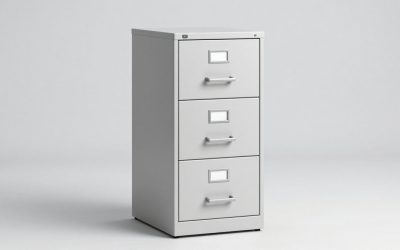
 HON 4 Drawer Lateral File Cabinet with Lock4 Drawers21.31 x 214 x 56.06 inches5.9 poundsCheck on Amazon
The best file cabinets balance file capacity, footprint, and lockable security for your space: a 2-drawer vertical cabinet is best for most home offices, a lateral cabinet is best for high-volume letter and legal storage, and a mobile pedestal is best for small apartments and shared desks.
Choose By Size First: How Much Filing Do You Actually Need?
File cabinets are sold by drawer count and orientation, which determines both capacity and floor space. Don’t buy by looks alone – buy by how many hanging files you need and how much wall space you can give up.

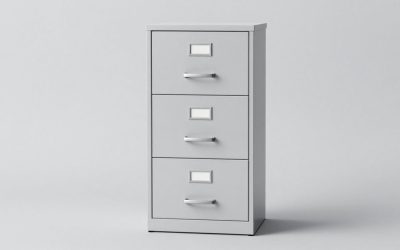
HON 2-Drawer Office Filing Cabinet - 310 Series Full-Suspension Letter File Cabinet, 26.5" D, Black (H312)
Chosen because it specifies 310 Series Full-Suspension Letter File Cabinet and 26.5" D.
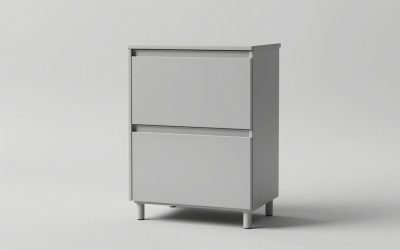
View on AmazonHON 4 Drawer Lateral File Cabinet with Lock, Metal Filing Cabinets for Offices, Adjustable Hangrails for A4, Legal, Letter Files, 18" Deep, Light Gray
Chosen because it specifies Metal Filing Cabinets for Offices and Adjustable Hangrails for A4.
View on Amazon
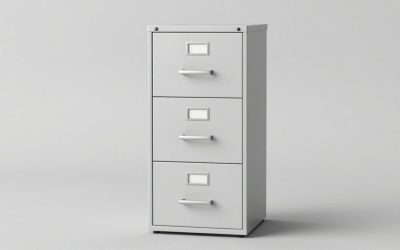
HON 4 Drawer Vertical File Cabinet with Lock, Metal Filing Cabinets with 4 Drawers for Hanging Files and Letter Files, 26.5" Deep, Putty
Chosen because it specifies 26.5" Deep and Putty.
View on Amazon
HON, H682LP, 600 Series Two-Drawer Lateral File, 36w x 18d x 28h, Black
Chosen because it specifies H682LP and 600 Series Two-Drawer Lateral File.
View on Amazon| Type | Typical Dimensions (W x D x H) | Files Per Drawer | Total Letter-Size Capacity | Footprint |
|---|---|---|---|---|
| 2-Drawer Vertical | 15″ x 25″ x 28-29″ | 45-50 hanging folders | 90-100 folders | 2.6 sq ft |
| 3-Drawer Vertical | 15″ x 25″ x 40-42″ | 45-50 hanging folders | 135-150 folders | 2.6 sq ft |
| 4-Drawer Vertical | 15″ x 25″ x 52-54″ | 45-50 hanging folders | 180-200 folders | 2.6 sq ft |
| 2-Drawer Lateral (30″ wide) | 30″ x 18″ x 28-29″ | 75-90 hanging folders | 150-180 folders | 3.75 sq ft |
| 2-Drawer Lateral (36″ wide) | 36″ x 18″ x 28-29″ | 90-110 hanging folders | 180-220 folders | 4.5 sq ft |
| Mobile Pedestal (2-3 drawer) | 15″ x 19″ x 26-27″ | 30-40 hanging folders | 30-40 folders + supplies | 2.0 sq ft (rolls under desk) |
Key fit rules before you measure:
- Allow 36 to 48 inches of clearance in front of any cabinet to fully extend a drawer with hanging files. In a 10×12 ft home office, a 36-inch wide lateral cabinet against the 10-foot wall leaves about 84 inches of usable depth, which is enough for a desk and chair but will block the room if placed perpendicular to the door.
- Standard interior doorways are 29 to 30 inches wide. A vertical cabinet at 25 inches deep fits through easily, but a 36-inch wide lateral cabinet must be turned on its side.
- For under-desk use, check desk clearance. Most mobile pedestals need at least 27.5 inches of height and 20 inches of depth under the desk to roll in without hitting crossbars.
Vertical vs. Lateral vs. Mobile: Pros and Cons
Vertical File Cabinets (2, 3, and 4-Drawer)
The classic up-and-down design. Vertical file cabinets hold letter-size files front-to-back in a narrow footprint, making them ideal for hallways, closets, and small home offices.
- Pros: Smallest footprint, highest file density per square foot, easiest to place against any wall, usually the most affordable.
- Cons: Deeper drawers (25 inches) require more pull-out space in front, top drawers on 4-drawer models can be hard to reach without raising files, and files can get lost at the back if hanging rails are low quality.
- Best for: Home offices, apartments, and anyone filing mostly letter-size documents.
Lateral File Cabinets (2-Drawer and Wide)
Lateral file cabinets store files side-to-side and are wider than they are deep (typically 30 to 42 inches wide, 18 to 20 inches deep). They can hold both letter and legal-size files in the same drawer.
- Pros: Can double as a printer stand or console at 28 to 29 inches high, wider drawers make flipping through files faster, legal-size compatible without extra depth.
- Cons: Needs a long, uninterrupted wall, heavier and harder to move, usually $150 to $300 more than a comparable vertical cabinet.
- Best for: Small business owners, households managing legal documents, medical or tax records, and anyone who wants filing plus surface space.
Mobile Pedestal Cabinets
Small 2- or 3-drawer cabinets on casters, typically with one file drawer and one or two box drawers for supplies. Designed to tuck under a 29 to 30-inch high desk.
- Pros: Rolls where you need it, converts to extra seating in a pinch, perfect for renters who cannot add large furniture.
- Cons: Limited file capacity (one file drawer), lower weight limits (usually 35 to 50 lbs per drawer), casters can dent soft wood floors without a mat.
- Best for: Students, hybrid workers, and compact desks in living rooms or bedrooms.
Material and Construction: What Actually Lasts?
Durability, weight, and assembly effort come down to material more than brand. Use this trade-off to match your budget and how often you move.
| Material | Weight (2-Drawer Vertical) | Drawer Weight Limit | Durability | Assembly & Moving | Price Range (2026) |
|---|---|---|---|---|---|
| Steel (14-22 gauge) | 55-85 lbs | 60-80 lbs per drawer | Most durable, resists warping and sagging, powder coat chips only if gouged | Often ships fully assembled; heavy to move upstairs but handles daily abuse | usually $200–$500 |
| Solid Wood / Wood Veneer | 70-110 lbs | 40-60 lbs per drawer | Very durable, refinishable, but can swell with humidity | Ships flat-pack or assembled; heaviest option, requires two people to move | usually $400–$900 |
| Engineered Wood (MDF/Particleboard with Laminate) | 40-65 lbs | 25-40 lbs per drawer | Prone to sagging if overloaded, laminate peels near moisture, cam locks loosen over time | Ships flat-pack (35-60 lb box); easiest to carry, but requires 45-90 min assembly | usually $120–$350 |
| Metal + Wood Hybrid | 50-75 lbs | 45-60 lbs per drawer | Steel frame prevents sagging, wood panels add style | Moderate assembly (frame + panels), good balance of weight and strength | usually $250–$600 |
What wears first: On engineered wood cabinets, the drawer bottoms sag and the hanging rails bend if you exceed about 35 lbs per drawer. On steel cabinets from brands like HON, Lorell, and Hirsh, the ball-bearing slides and interlock system fail last – the paint finish shows wear first. On any cabinet, the interlock that prevents more than one drawer opening at a time is critical for anti-tip safety; never disable it.
Decision Matrix: Pick the Right File Cabinet for Your Situation
| Your Situation | Best Pick | Why |
|---|---|---|
| Small apartment or 10×10 ft bedroom office | Mobile pedestal or 2-drawer vertical | Under-desk storage saves 2-3 sq ft; vertical fits in a closet with 30″ door clearance |
| Renter who moves every 1-2 years | Steel 2-drawer vertical or mobile pedestal | Ships assembled, no cam locks to loosen, survives moves without splitting |
| Family with kids and pets | Steel lateral or vertical with factory lock | Lockable drawers, no tip risk when interlocked, steel cleans with a damp cloth |
| Home business with 150+ files | 36″ wide 2-drawer lateral | Holds 180-220 folders across two drawers and provides counter space for a printer |
| Back pain or limited bending | 2-drawer lateral at 28-29″ high | Top at counter height means less bending than a low vertical drawer |
| Design-focused living room or studio | Wood veneer or hybrid 2-drawer lateral | Looks like a credenza, doubles as entryway or TV console |
| Budget under $200 | Engineered wood 2-drawer vertical | Lowest upfront cost, but keep file weight under 30 lbs per drawer to avoid sag |
Assembly, Moving, and Durability Realities
Product listings rarely tell you what delivery day is actually like.
- Box weight and stairs: A steel 4-drawer vertical ships at 90 to 120 lbs in one carton. Measure your stairwell width and turning radius – a 52-inch tall box will not make a tight landing. Engineered wood ships in two flat boxes at 35 to 50 lbs each, manageable for one person.
- Assembly time: Steel cabinets often arrive fully assembled except for handles and hanging rails (5-10 minutes). Engineered wood from brands like Bush Furniture, Sauder, and IKEA requires 45 to 90 minutes, a Phillips screwdriver, and careful alignment of the drawer slides. Misaligned slides are the number one cause of sticking drawers.
- File weight reality: A full drawer of paper is heavy. One letter-size hanging folder with 50 sheets weighs about 0.7 lbs. A packed drawer with 50 folders can weigh 35 to 45 lbs. If your cabinet rates drawers at 30 lbs max, you will overload it.
- Floor protection: Steel cabinets can dent vinyl and scratch hardwood when dragged. Use felt pads under leveling glides. For lateral cabinets over 80 lbs loaded, place a low-pile rug or plastic mat underneath to distribute weight.
- Locking and safety: If you have children, choose a cabinet with a built-in gang lock that secures all drawers with one key and an interlock bar that blocks a second drawer from opening. Anchor 3- and 4-drawer vertical cabinets to the wall with furniture straps in homes with toddlers.
What to Check Before You Buy
- File size: Confirm letter vs. legal compatibility. Vertical cabinets marked “letter size” will not fit legal folders, while most lateral cabinets handle both with an adjustable rail.
- Drawer slides: Look for full-extension ball-bearing slides, not center-roller slides. Full-extension lets you reach files at the very back without digging.
- Hanging rails: Adjustable rails that sit flush with the drawer top keep folders from dropping. Fixed welded rails are more durable, adjustable rails are more versatile.
- Lock type: Core-removable locks on steel cabinets allow re-keying; engineered wood cabinets often use simple cam locks that are easier to replace but less secure.
- Fire and water needs: Standard file cabinets are not fireproof. If you need protection, look specifically for fire-rated cabinets rated by UL Class 350 – they usually cost $800 to $1,600 and weigh 150+ lbs for a 2-drawer model.
A good rule is to buy one size smaller than you think you need if space is tight – an overstuffed 2-drawer that stays organized beats a half-empty lateral that crowds your office. For homebestfurniture.com shoppers in 2026, a steel 2-drawer vertical remains the best value for everyday filing, while a 30- or 36-inch lateral is worth the extra footprint if you file daily and want a work surface on top.