Key takeaways
- Match thickness to your base condition: If the factory mattress still has usable support, two to three inches of topper is plenty. If it has developed a visible trough, go four inches so the new comfort layer is not simply mirroring the collapse underneath it.
- Check foam density, not just marketing terms: Memory foam at three pounds per cubic foot or higher resists compression set far better than lighter alternatives. CertiPUR-US certification confirms emissions and durability testing, which matters in a sealed cabin with limited ventilation.
- Interrogate the anchoring system: Pillow-top pads rely on an elastic skirt, and elastic is the first component to fatigue. Deep pockets rated for eight inches or more of mattress depth, plus wide bands rather than thin cords, keep the pad registered to the bed after a few hundred miles of movement.
- Weigh cooling against payload: Gel infusions and viscose covers derived from bamboo genuinely help with heat transfer in a poorly ventilated bunk. Larger foam slabs, however, add real weight to your cargo capacity, so factor the shipping weight into your margin.
- Inspect quilting geometry on fiber pads: Down-alternative fill migrates toward the perimeter unless it is boxed into small, evenly stitched channels. Dense baffling is the single best predictor of whether a plush pad still feels level after a year.
What's inside
RV sleeping platforms are engineered around one hard constraint: space. A short queen measures roughly 60 by 75 inches, five inches shorter than a residential queen, and the mattress that sits in that cavity is usually a thin slab of low-density foam bonded to a plywood or slatted base. From an ergonomics standpoint, that combination fails predictably. The support layer bottoms out under the hips and shoulders, the pelvis rotates, and the lumbar spine loses its neutral curve. Most travelers blame the road or the campsite. The real culprit is a sleep surface with almost no capacity to distribute load.
This guide evaluates short queen toppers the way I assess any load-bearing cushioning system: how well it manages pressure across the body’s heavier landmarks, how it behaves after repeated compression cycles, and whether the construction survives the specific abuse of RV life — transit vibration, humidity swings, tight sheet tension, and frequent stripping for laundry. Below you will find current picks spanning plush fiber pads, engineered memory foam, and spring-in-foam hybrids, plus the specification details that separate a topper you keep for five seasons from one you leave at a dump station.
As an Amazon Associate we earn from qualifying purchases.


🛒 Best Price Today on Amazon
Prime members get fast, free shipping on everything above, plus member-only deals. New members get a 30-day free trial — cancel anytime.
How to Choose a Rv Short Queen Mattress Topper (2026)
- Match thickness to your base condition: If the factory mattress still has usable support, two to three inches of topper is plenty. If it has developed a visible trough, go four inches so the new comfort layer is not simply mirroring the collapse underneath it.
- Check foam density, not just marketing terms: Memory foam at three pounds per cubic foot or higher resists compression set far better than lighter alternatives. CertiPUR-US certification confirms emissions and durability testing, which matters in a sealed cabin with limited ventilation.
- Interrogate the anchoring system: Pillow-top pads rely on an elastic skirt, and elastic is the first component to fatigue. Deep pockets rated for eight inches or more of mattress depth, plus wide bands rather than thin cords, keep the pad registered to the bed after a few hundred miles of movement.
- Weigh cooling against payload: Gel infusions and viscose covers derived from bamboo genuinely help with heat transfer in a poorly ventilated bunk. Larger foam slabs, however, add real weight to your cargo capacity, so factor the shipping weight into your margin.
- Inspect quilting geometry on fiber pads: Down-alternative fill migrates toward the perimeter unless it is boxed into small, evenly stitched channels. Dense baffling is the single best predictor of whether a plush pad still feels level after a year.
The Best Rv Short Queen Mattress Topper (2026)s Reviewed
ViscoSoft 4 Inch Pillow Top Memory Foam Topper
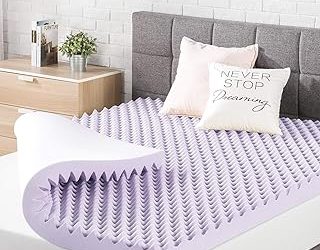
The strongest structural fix on this list, pairing a four-inch dual-layer build with CertiPUR-US certified foam so it can compensate for a genuinely worn factory mattress rather than just soften it. Side sleepers and anyone managing shoulder or hip pressure will notice the deeper contour envelope immediately.
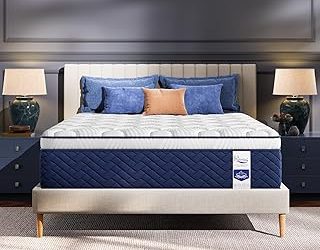
Dormeo RV Short Queen Octaspring Topper
Dormeo’s octagonal foam springs work as discrete, independently reacting elements, which produces zoned support and far better airflow than a solid slab of the same height. At medium firmness it is the most balanced option for couples with mismatched sleep positions.
ELEMUSE 3 Inch Dual Layer Memory Foam Topper
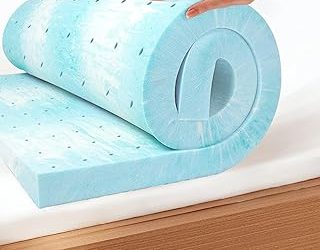
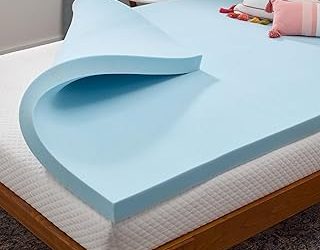
A sensible middle path: two inches of gel memory foam handling pressure redistribution, one inch of pillow top softening the initial entry feel. The 60-by-75 cut is true to short queen dimensions, so you avoid the overhang that causes premature edge breakdown.
ELEMUSE Thick Pillow Top Mattress Pad
Overfilled and generously lofted, this one addresses comfort rather than support geometry, so treat it as a plush overlay on a mattress that still holds its shape. The deep pocket skirt is the standout engineering detail, gripping tall RV mattresses without straining the seams.
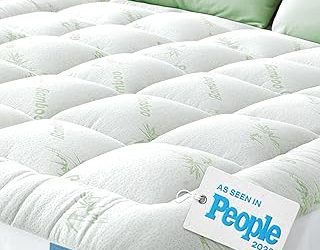
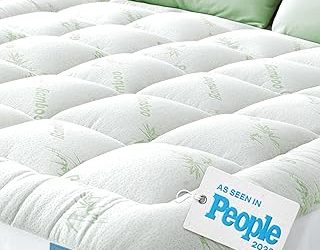
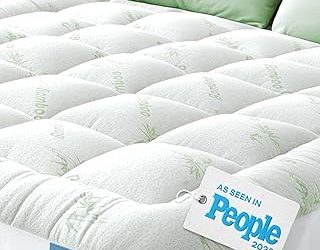
Cooling Bamboo Viscose Quilted Short Queen Pad
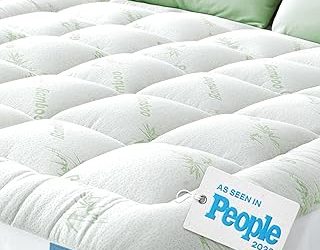
At 1000 GSM of down-alternative fill under a breathable viscose cover, this delivers cushioning and heat management without adding meaningful weight to your rig. The eight-to-21-inch pocket range makes it the most adaptable pick for oddly thick or bunk-style RV mattresses.
Frequently Asked Questions
Will a short queen topper fit a standard queen mattress?
No. A short queen is five inches shorter, leaving an exposed strip at the foot and putting uneven tension on the anchoring skirt, which accelerates elastic failure.
How much thickness can I add before sheets stop fitting?
Most standard fitted sheets tolerate three inches of added loft. Beyond that, buy deep-pocket sheets rated to at least 15 inches to avoid corners popping off during travel.
Does memory foam get too firm in cold weather?
Traditional viscoelastic foam stiffens below roughly 60°F. Gel-infused and open-cell formulations are far less temperature sensitive, making them the better choice for shoulder-season and winter camping.
Can I store a foam topper rolled up?
Short-term rolling is fine, but leaving foam compressed for months encourages permanent creasing. Store it flat on the bunk, and if it must be rolled, unroll it 24 hours before use.
Final Thoughts
If your factory mattress has already lost its support, the ViscoSoft 4 Inch Pillow Top is the most credible structural repair here. The Dormeo Octaspring earns the nod for couples and hot sleepers thanks to its zoned, ventilated spring architecture, while the ELEMUSE 3 Inch Dual Layer offers the best balance of contouring, weight, and value for most travelers. Choose based on your base condition and cargo margin, then protect your investment with deep-pocket sheets and a breathable mattress protector.