Key takeaways
- Density over thickness: A 3-inch pad made from low-density foam will bottom out under your hips within months. Higher-density memory foam (roughly 3 lb/ft³ and up) resists compression set and keeps supporting your lumbar curve after repeated loading. If density isn’t published, treat generous return windows as your test period.
- Match firmness to sleep position: Side sleepers need enough give at the shoulder and hip to keep the spine level, so a softer 3-inch pad suits them. Back and stomach sleepers do better with a firmer, thinner layer that prevents the pelvis from sinking out of alignment.
- Heat is a durability issue, not just comfort: Trapped body heat softens memory foam and accelerates its breakdown. Ventilated cores, gel infusion, and open mesh side panels help the pad hold its intended feel over time as well as keeping you cooler.
- Inspect the cover and the corners: The cover takes all the abrasion. Look for a removable, washable, tightly woven shell with reinforced stitching, and check that elastic straps or a deep fitted skirt will actually clear your mattress depth once sheets are on.
- Certifications tell you about the foam itself: CertiPUR-US and Oeko-Tex verification means lower VOC content and no restricted flame retardants — meaningful for the first weeks of off-gassing and for anyone sensitive to household chemicals.
What's inside
Most people don’t shop for a mattress pad until their body forces the issue. The mattress is four years old, there’s a shallow trough where your hips land, and you’re waking with a tight lower back or a numb shoulder. A topper is the sensible intervention at that point, since it’s a fraction of the cost of a new bed. The trouble is that toppers are sold on adjectives — cloud-like, luxurious, plush — while the things that actually determine whether one helps you are rarely on the label: how the foam distributes load across your pressure points, how quickly it recovers its shape, and whether it still does both of those things in year three.
This guide looks at memory foam pads through an ergonomics and durability lens. I’ve weighted foam density and recovery behavior over plushness, paid attention to cover fabrics and seam construction (the usual first point of failure), and considered how each pad anchors to the mattress, because a topper that migrates overnight undoes whatever postural benefit it offered. The picks below span 2 to 3 inches, a range of firmness feels, and both foam and fiber-topped constructions.
As an Amazon Associate we earn from qualifying purchases.


🛒 Best Price Today on Amazon
Prime members get fast, free shipping on everything above, plus member-only deals. New members get a 30-day free trial — cancel anytime.
How to Choose a Memory Foam Mattress Pad
- Density over thickness: A 3-inch pad made from low-density foam will bottom out under your hips within months. Higher-density memory foam (roughly 3 lb/ft³ and up) resists compression set and keeps supporting your lumbar curve after repeated loading. If density isn’t published, treat generous return windows as your test period.
- Match firmness to sleep position: Side sleepers need enough give at the shoulder and hip to keep the spine level, so a softer 3-inch pad suits them. Back and stomach sleepers do better with a firmer, thinner layer that prevents the pelvis from sinking out of alignment.
- Heat is a durability issue, not just comfort: Trapped body heat softens memory foam and accelerates its breakdown. Ventilated cores, gel infusion, and open mesh side panels help the pad hold its intended feel over time as well as keeping you cooler.
- Inspect the cover and the corners: The cover takes all the abrasion. Look for a removable, washable, tightly woven shell with reinforced stitching, and check that elastic straps or a deep fitted skirt will actually clear your mattress depth once sheets are on.
- Certifications tell you about the foam itself: CertiPUR-US and Oeko-Tex verification means lower VOC content and no restricted flame retardants — meaningful for the first weeks of off-gassing and for anyone sensitive to household chemicals.
The Best Memory Foam Mattress Pads Reviewed
EGO 3 Inch Gel Memory Foam Topper (Queen)
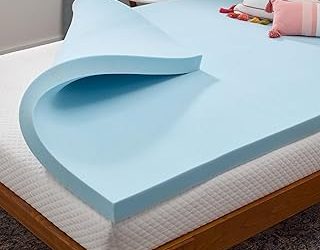
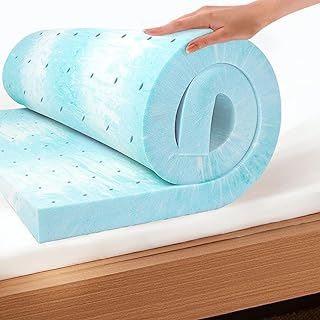
The ventilated, gel-infused core here is the most balanced execution of pressure relief and airflow in this group, contouring at the shoulder and hip without letting the pelvis drop. At 3 inches it’s a genuine correction for a firm or slightly worn mattress rather than a cosmetic softening layer.
ViscoSoft Copper Pillow Top (Twin XL)
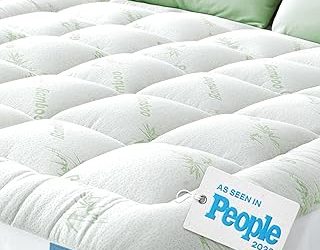
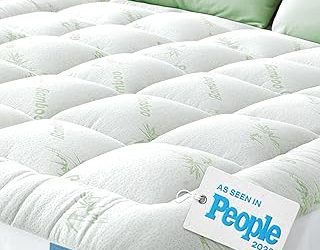
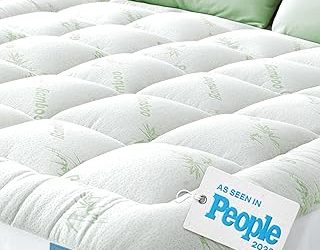
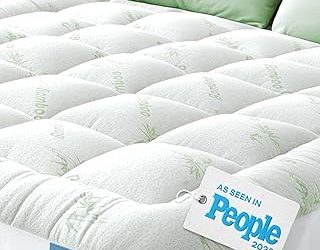
A quilted fiberfill pad rather than a solid foam slab, so you get immediate surface cushioning and far better breathability, with an 18-inch pocket that grips deep mattresses securely. Choose it if you like a springier, hotel-bed feel and don’t want the slow-sink sensation of memory foam.
DOWNCOOL 3 Inch Topper (Full)
Thick, supportive foam paired with breathable mesh side gussets, aimed squarely at sleepers dealing with hip and lower-back discomfort. It runs on the fluffier side of the category, which makes it forgiving for side sleepers but less ideal if you need a firm platform.
JSELF 3 Inch Dual-Layer Gel Topper (Queen)
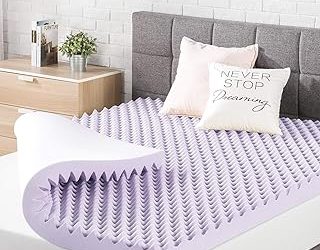
The dual-layer build — softer contouring foam over a denser support base — is the most thoughtfully engineered option here for back pain, and the wave-textured surface improves both airflow and load spreading. Bekaert cover fabric, non-slip backing, and dual CertiPUR-US and Oeko-Tex certification round out a genuinely durable package.
Best Price Mattress 3 Inch Ventilated Topper (Queen)
The value pick, and a sound one: ventilated gel-infused foam with CertiPUR-US certification at a price that makes sense for dorms, guest rooms, and rentals. Expect a shorter service life than the denser options, but the ergonomics are sound while it lasts.
Frequently Asked Questions
How long should a memory foam topper last?
Three to five years for a well-made, higher-density pad in a single-occupant bed. Heat, humidity, and body weight all shorten that. The failure mode is gradual: the foam stops rebounding fully, and you’ll notice a persistent body impression before you notice discomfort.
Will a topper fix a sagging mattress?
No. A topper adds a comfort layer but can’t restore lost support underneath, and foam laid over a dip will simply follow the contour. If your mattress sags more than an inch or the coils have collapsed, replace the mattress.
Do gel infusions and ventilation actually work?
They help at the margins. Gel and open-cell ventilation reduce heat retention compared with dense conventional memory foam, but no foam pad sleeps as cool as a fiber-filled pillow top. Pair either with breathable cotton or Tencel sheets.
Can I wash a memory foam pad?
Wash the cover, never the foam core — saturating foam degrades its cell structure and it won’t dry properly. Spot clean the core, air it out periodically, and add a thin protector on top to keep moisture and skin oils out of the foam.
Final Thoughts
For most people the JSELF dual-layer topper is the strongest overall buy, combining real support engineering with a durable certified build, while the EGO 3-inch gel topper is the more straightforward choice for pressure relief on a too-firm bed. If you sleep hot or dislike the sinking feel of foam entirely, the ViscoSoft copper pillow top delivers cushioning with far better airflow and a secure deep-pocket fit.