Key takeaways
- Match thickness to your gap, not your wish list: A 2 to 3 inch layer softens a firm mattress without disconnecting you from its support core. Go to 4 inches only if you’re compensating for a genuinely worn-out bed, since deeper foam raises your center of mass and can make edge exits feel unstable.
- Check foam density, not just “gel infused”: Density determines how long a foam resists compression set, the permanent height loss that creates body impressions. Cooling additives help with surface heat but do nothing for structural longevity.
- Verify the pocket depth against your real mattress: Measure your mattress from seam to seam including any protector already on it. A skirt rated for 8 to 21 inches gives you room to layer; a 20 inch deep pocket suits taller pillow-top beds.
- Inspect the anchoring method: Fitted skirts with full elastic hold better than corner straps on a narrower full size bed, where lateral shifting is more noticeable. Non-slip backing matters for foam pads that sit on top rather than wrap around.
- Prioritize baffled or box-quilted fill: Sewn-through channels stop fiber migration, which is the main reason a plush pad flattens unevenly. Confirm it’s machine washable, then check whether the stitch pattern is dense enough to survive an agitator.
What's inside
A full size mattress measures 54 by 75 inches, which means the sleeper on it has roughly 20 inches of usable width per person if it’s shared, and almost no margin for error in how weight gets distributed. That’s the practical problem with toppers in this size: buyers shop for softness, then discover six months later that the surface has developed a shallow trough where their hips land, or that the corner anchors have stretched past the point of gripping. Comfort you can feel on day one is easy to manufacture. Comfort that survives 700 nights of loading, unloading, and laundering is a materials-and-construction question.
This guide evaluates full size toppers the way I evaluate any load-bearing surface: how evenly it spreads pressure across the shoulder and hip, how well the fill or foam recovers its original height after compression, how the perimeter attaches to the mattress, and how the stitching and cover hold up through repeated wash cycles. Below are six options worth considering for 2026, with notes on who each one actually suits.
As an Amazon Associate we earn from qualifying purchases.


🛒 Best Price Today on Amazon
Prime members get fast, free shipping on everything above, plus member-only deals. New members get a 30-day free trial — cancel anytime.
How to Choose a/an Mattress Topper Full Size (2026)
- Match thickness to your gap, not your wish list: A 2 to 3 inch layer softens a firm mattress without disconnecting you from its support core. Go to 4 inches only if you’re compensating for a genuinely worn-out bed, since deeper foam raises your center of mass and can make edge exits feel unstable.
- Check foam density, not just “gel infused”: Density determines how long a foam resists compression set, the permanent height loss that creates body impressions. Cooling additives help with surface heat but do nothing for structural longevity.
- Verify the pocket depth against your real mattress: Measure your mattress from seam to seam including any protector already on it. A skirt rated for 8 to 21 inches gives you room to layer; a 20 inch deep pocket suits taller pillow-top beds.
- Inspect the anchoring method: Fitted skirts with full elastic hold better than corner straps on a narrower full size bed, where lateral shifting is more noticeable. Non-slip backing matters for foam pads that sit on top rather than wrap around.
- Prioritize baffled or box-quilted fill: Sewn-through channels stop fiber migration, which is the main reason a plush pad flattens unevenly. Confirm it’s machine washable, then check whether the stitch pattern is dense enough to survive an agitator.
The Best Mattress Topper Full Size (2026)s Reviewed
Niagara Sleep Solution Bamboo Cooling Topper
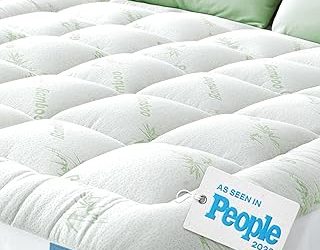
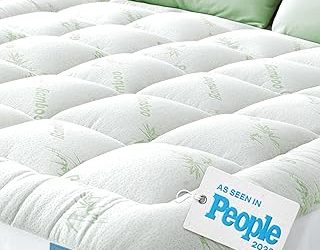
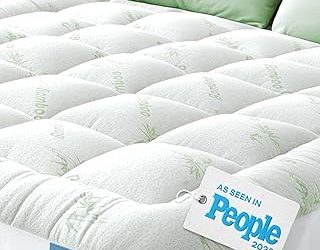
The rayon-from-bamboo face fabric moves moisture off the skin quickly, which is the single most useful property for warm sleepers, and the 20 inch deep pocket clears most pillow-top mattresses without straining the elastic. Its pillow-top fill is quilted in defined sections, so the loft stays distributed rather than drifting toward the foot of the bed.
PERLECARE 3 Inch Gel Memory Foam Topper
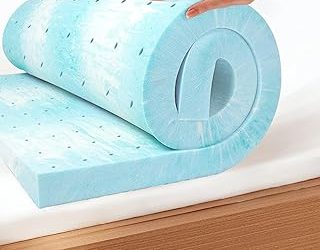
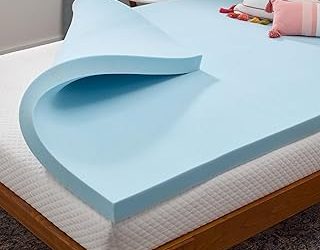
Three inches of gel memory foam gives you genuine pressure redistribution at the shoulder and hip, and the Oeko-Tex certification plus removable washable cover means the part that absorbs sweat is the part you can clean. The non-slip base is well executed, which matters because foam toppers on a 54 inch surface have less friction area than their queen and king counterparts.
Niagara Sleep Solution Cotton Top Topper
A 100% cotton face is more breathable over a long night than most synthetic alternatives, and it gets softer with washing instead of pilling. This is the pick for someone who wants added cushioning and back-friendly surface give without the heat retention or slow response of foam.
EASELAND Cotton Pillow Top Mattress Pad
The box quilting here is the standout detail: it locks fill into discrete compartments, which is what keeps a pad from developing thin spots along the sleeper’s centerline. The 8 to 21 inch skirt range is forgiving, and the construction tolerates regular machine washing better than most pads at this tier.
4 Inch Bamboo Gel Memory Foam Topper
Airflow channels cut through the foam core address memory foam’s chief weakness by giving trapped heat and moisture somewhere to go, and the 360 degree edge treatment reduces the sidewall collapse that makes thick toppers feel tippy. Best reserved for older mattresses that need real rebuilding rather than fine tuning.
Frequently Asked Questions
Does a topper fix a sagging mattress?
It masks the symptom but not the cause. A topper adds a compliant layer above a failing support core, so you’ll feel less surface pressure while your spine still follows the dip beneath. If the sag exceeds roughly an inch and a half, replace the mattress.
How long should a full size topper last?
Expect three to five years from a quality foam layer and two to four from a quilted fiber pad, assuming consistent use. Rotating the topper end to end every few months distributes wear and meaningfully extends that window.
Will a cooling topper actually keep me cooler?
Fabric choice does more than fill choice. Cotton and bamboo-derived rayon surfaces wick and release moisture, which is how you perceive coolness, while gel infusions mainly slow the rate at which foam warms up rather than preventing it.
Can I use a mattress protector over a topper?
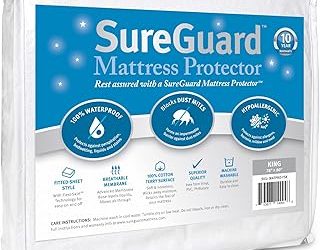
Yes, and you should. Add the protector on top and account for the extra thickness when checking pocket depth, since a tight skirt compresses the loft you paid for and stresses the seams.
Final Thoughts
For most full size beds, the PERLECARE 3 Inch Gel Memory Foam topper offers the best balance of pressure relief and structural staying power, while the EASELAND cotton pillow top is the more durable choice if you prefer a quilted feel and plan to wash it often. Hot sleepers who want breathability without foam should start with the Niagara Sleep Solution bamboo option.