Key takeaways
- Density before thickness: A 2-inch topper built from higher-density memory foam will outlast a 3-inch budget slab every time. Density governs compression set, the permanent loss of loft that causes those familiar hip-shaped craters. If a listing hides density, treat CertiPUR-US certification and clear thickness specs as your minimum baseline.
- Match depth to your load and position: Side sleepers and heavier frames need 3 inches to let the shoulder and hip sink far enough to keep the spine neutral. Back and stomach sleepers usually do better with 2 inches, since deeper immersion tips the pelvis and creates a lumbar gap.
- Cooling has to be structural: Gel infusions and swirls add thermal mass that buffers the first hour of heat buildup. Sustained cooling comes from airflow, so pair gel foam with a breathable cover in rayon from bamboo or a similar moisture-moving fiber rather than a sealed knit.
- Check the anchoring system: Elastic skirts fatigue fastest of any component. Look for a deep pocket rated well above your mattress height, ideally around 20 inches, or a strap system that spreads tension across four corners instead of loading one seam.
- Assume you will wash it: A removable, machine-washable cover is the single biggest factor in usable lifespan. Sewn-in covers force you to spot clean, and spot cleaning is how toppers end up retired early.
What's inside
Most mattress toppers are marketed on how they feel in the first thirty seconds and almost never on how they behave in month eighteen. That gap is where buyers get burned. A slab of low-density foam feels generous on night one, then develops a permanent body impression under the hips because it has nothing left to give back. An overfilled pillowtop feels like a cloud until the fill migrates toward the seams and leaves a hollow exactly where your lumbar spine needs support. Add a skirt that has been stretched past its recovery point by a 14-inch mattress, and you have a product that is technically still on the bed but no longer doing its job.
This guide looks at toppers the way a specialist evaluates any load-bearing surface: how pressure is distributed across the shoulder, hip, and heel, how the material resists compression set over thousands of loading cycles, and how the anchoring and cover construction hold up to real laundering. Below are the brands and models worth your money in 2026, plus the specifications that actually predict longevity.
As an Amazon Associate we earn from qualifying purchases.



🛒 Best Price Today on Amazon
Prime members get fast, free shipping on everything above, plus member-only deals. New members get a 30-day free trial — cancel anytime.
How to Choose a Mattress Topper Brands (2026)
- Density before thickness: A 2-inch topper built from higher-density memory foam will outlast a 3-inch budget slab every time. Density governs compression set, the permanent loss of loft that causes those familiar hip-shaped craters. If a listing hides density, treat CertiPUR-US certification and clear thickness specs as your minimum baseline.
- Match depth to your load and position: Side sleepers and heavier frames need 3 inches to let the shoulder and hip sink far enough to keep the spine neutral. Back and stomach sleepers usually do better with 2 inches, since deeper immersion tips the pelvis and creates a lumbar gap.
- Cooling has to be structural: Gel infusions and swirls add thermal mass that buffers the first hour of heat buildup. Sustained cooling comes from airflow, so pair gel foam with a breathable cover in rayon from bamboo or a similar moisture-moving fiber rather than a sealed knit.
- Check the anchoring system: Elastic skirts fatigue fastest of any component. Look for a deep pocket rated well above your mattress height, ideally around 20 inches, or a strap system that spreads tension across four corners instead of loading one seam.
- Assume you will wash it: A removable, machine-washable cover is the single biggest factor in usable lifespan. Sewn-in covers force you to spot clean, and spot cleaning is how toppers end up retired early.
The Best Mattress Topper Brands (2026)s Reviewed
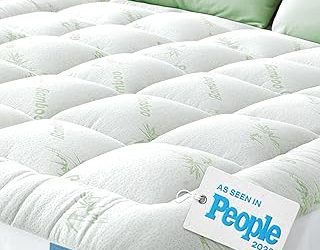
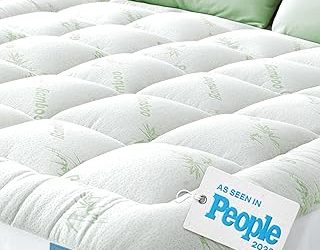
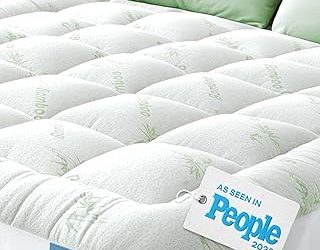
Niagara Sleep Solution Bamboo Pillow Top Topper
The rayon-from-bamboo surface moves moisture off the skin quickly, which is what actually keeps hot sleepers from waking at 3 a.m., and the 20-inch deep pocket means the skirt is not fighting your mattress for its entire service life. A sensible pick for anyone who wants added cushioning without changing the underlying support geometry.
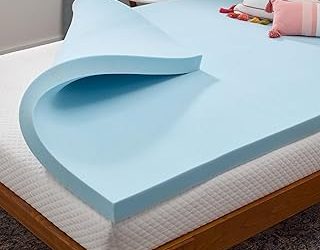
Linenspa 2-Inch Gel Memory Foam Topper
Two inches of gel-infused, CertiPUR-certified foam is the sweet spot for back and stomach sleepers who want pressure relief without pelvic tilt. The plush feel is genuine, though expect the standard three-to-four day expansion window before you judge the loft.
Sleepyhead 2-Inch Cooling Gel Topper, Twin XL
Purpose-built for dorm mattresses, which are typically thin, firm, and heavily used. The removable washable cover matters more in shared housing than almost anywhere else, and the Twin XL sizing sidesteps the fit problems that plague repurposed twin bedding.
ELEMUSE Extra Thick Pillowtop Mattress Pad
The overfilled down alternative delivers immediate softening on a too-firm bed, and the elastic deep pocket keeps the pad from shifting overnight. Rotate it head-to-foot every couple of months to distribute fill migration, and it holds its loft considerably longer.
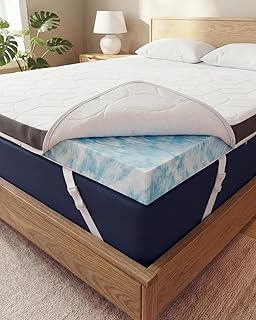
3-Inch Memory Foam Topper with Cooling Cover, King
Three inches is the right call for side sleepers and higher body loads, where shallower foam bottoms out at the hip. The corner straps plus a washable cooling cover address the two failure points that usually end a king-size topper’s life early.
Frequently Asked Questions
How thick should a topper be for back pain?
Start at 2 inches if you sleep on your back or stomach and 3 inches if you sleep on your side. Relief comes from restoring neutral alignment, not from maximum softness, and excess depth can worsen lumbar strain.
Do gel-infused foams really sleep cooler?
They meaningfully slow heat buildup early in the night. For all-night results, the cover fabric and airflow matter just as much, which is why gel foam paired with a breathable cover outperforms either feature alone.
How long should a quality topper last?
Three to five years for well-made memory foam, two to four for fiber-fill pillowtops. Retire it once you can feel a permanent impression with the bed unloaded.
Can a topper rescue a sagging mattress?
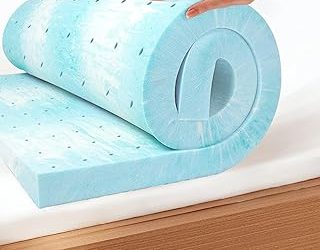
No. A topper redistributes surface pressure but cannot replace lost core support, so it will follow the sag. Products like the Gel Swirl 2-Inch topper are best used to soften a firm, structurally sound bed and extend its comfort life, not to patch a failing one.
Final Thoughts
For most buyers, the Linenspa 2-Inch Gel Memory Foam topper offers the best balance of alignment, cooling, and cost per year of service. Side sleepers and larger frames should step up to the 3-Inch Memory Foam Topper with Cooling Cover for its deeper immersion and four-corner strap anchoring, while hot sleepers who want cushioning rather than contouring will get the most mileage from the Niagara Sleep Solution bamboo pillow top and its genuinely deep pocket.