Key takeaways
- Fit: Measure the usable floor length and width, leaving enough clearance for doors, drawers, and furniture legs. A runner should look intentional rather than being forced tightly against every wall.
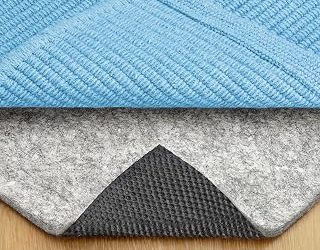
- Traction: Non-slip rubber or textured backing can reduce movement, but it is not a substitute for a clean, dry floor. On especially smooth surfaces, use a compatible rug pad if the manufacturer permits one.
- Profile: Low-pile construction is usually the safest choice near doors and beneath lightweight furniture. It also reduces tripping risk and makes vacuuming easier than with a deep, springy pile.
- Maintenance: Washable designs are useful in kitchens, laundry rooms, and entryways, but check whether the rug requires a commercial-size washer or air drying. Frequent washing can also stress backing materials over time.
- Wear pattern: Distressed, abstract, or subtly patterned surfaces tend to disguise crumbs and traffic marks better than a completely uniform light color. For demanding corridors, prioritize backing integrity and edge construction over appearance alone.
What's inside
A runner rug has to do more than fill a narrow strip of floor. In hallways, kitchens, and entryways, it absorbs repeated foot traffic, catches grit, and often faces spills, damp shoes, rolling chairs, and door clearance issues. A rug that looks attractive online can still curl at the edges, slide on smooth flooring, shed under pressure, or prove awkward to clean.
This guide evaluates the listed runners from an ergonomics-and-durability perspective. The focus is practical: underfoot comfort, traction, low-profile clearance, cleaning convenience, resistance to visible wear, and how well each format suits busy areas. Confirm the exact dimensions, care instructions, and backing compatibility on the product page before ordering.
As an Amazon Associate we earn from qualifying purchases.



🛒 Best Price Today on Amazon
Prime members get fast, free shipping on everything above, plus member-only deals. New members get a 30-day free trial — cancel anytime.
How to Choose a/an Runner Rug (2026)
- Fit: Measure the usable floor length and width, leaving enough clearance for doors, drawers, and furniture legs. A runner should look intentional rather than being forced tightly against every wall.
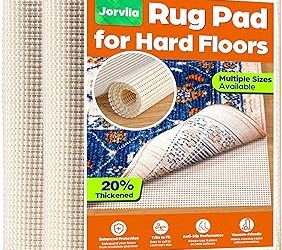
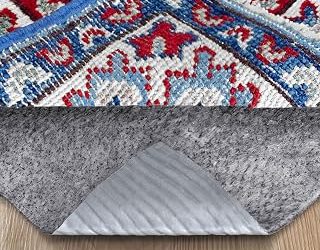
- Traction: Non-slip rubber or textured backing can reduce movement, but it is not a substitute for a clean, dry floor. On especially smooth surfaces, use a compatible rug pad if the manufacturer permits one.
- Profile: Low-pile construction is usually the safest choice near doors and beneath lightweight furniture. It also reduces tripping risk and makes vacuuming easier than with a deep, springy pile.
- Maintenance: Washable designs are useful in kitchens, laundry rooms, and entryways, but check whether the rug requires a commercial-size washer or air drying. Frequent washing can also stress backing materials over time.
- Wear pattern: Distressed, abstract, or subtly patterned surfaces tend to disguise crumbs and traffic marks better than a completely uniform light color. For demanding corridors, prioritize backing integrity and edge construction over appearance alone.
The Best Runner Rug (2026)s Reviewed
Best Versatile 2×6 Vintage Runner
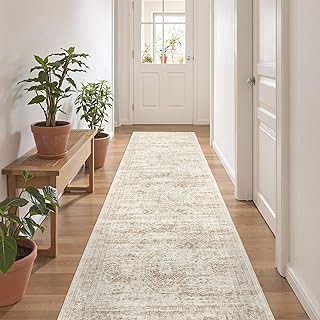
The 2×6 Hallway Washable Runner Rug combines a softened vintage look with a stain-resistant surface and non-slip backing. Its compact length works well beside a bed, along a short hallway, or in front of a kitchen counter, while the distressed pattern is forgiving when daily traffic leaves behind small marks.
Best Neutral 2×8 Runner
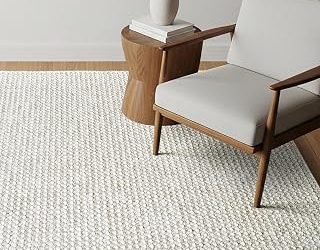
The 2×8 Runner Rug in Beige is a practical choice when you need extra reach without a visually dominant pattern. Its thin, soft construction should clear most doors more easily than a thick pile, and the neutral color suits entryways, nurseries, bedrooms, and kitchens; use additional underlay if the floor is particularly slick.
Best Long Heavy-Traffic Runner
The Hallway Runner Rug 2’x10′ is the strongest format for an extended corridor or a long entry sequence. Its heavy-duty positioning, rubber backing, and machine-washable design address the main stress points in busy homes, although the longer size deserves careful alignment so the edges do not catch on footwear or vacuum heads.
Best Dark Minimalist Runner
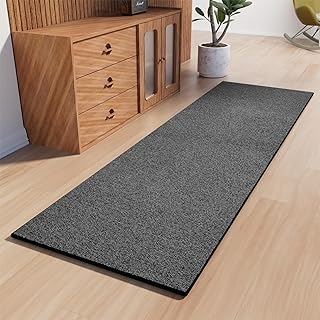
The AREDO Runner Rug with Non Slip Rubber Backing uses a low pile and a black solid-color design with pointillism-style texture. That combination offers a visually restrained option for kitchens, laundry areas, and hallways, while the darker surface can conceal everyday marks; inspect lint and pet hair visibility before choosing it for a shedding-prone household.
Best Soft Abstract Gray Runner
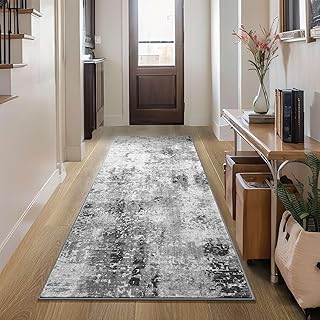
The Ompaa 2×6 Rug Runner pairs a soft abstract carpet surface with rubber backing and washable construction. Its gray pattern provides useful visual camouflage in a six-foot footprint, making it a sensible fit for bedrooms, bathrooms, and kitchen work zones where comfort and quick cleanup matter equally.
Frequently Asked Questions
What size runner is best for a hallway?
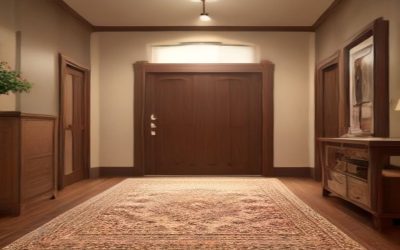
Measure the clear walking area rather than the entire hallway. Leave a modest border at the sides and ends so the rug does not look wedged in place, and check that nearby doors open without contacting the rug.
Are washable runners durable enough for entryways?
They can be, particularly when they have a resilient backing and a low pile, but washing is still a mechanical stress. Shake out grit first, follow the care label, and avoid repeatedly folding or sharply creasing the backing.
Do I need a rug pad if the runner has non-slip backing?
Not always. A clean, dry floor and a well-fitted rubber-backed rug may provide adequate stability, but a compatible pad can improve cushioning and reduce shifting on very smooth floors. Never layer products unless their instructions allow it.
How do I stop a runner from curling?
Unroll it fully and give the material time to relax on a flat surface. Reverse-rolling briefly, weighing the corners with safe objects, or using rug-grip products approved for the flooring can help; avoid heat that could deform synthetic backing.
Final Thoughts
For long, demanding corridors, the Hallway Runner Rug 2’x10′ is the most purpose-built option. The 2×8 Beige Runner offers flexible neutral coverage, while the Ompaa 2×6 stands out for a softer, patterned everyday design. Choose the size that leaves clearances around doors and furniture, then treat traction and washable care as performance features—not afterthoughts.