Key takeaways
- Fiber resilience: Polypropylene and polyester recover their loft after compression far better than cotton, which flattens permanently once wet grit works into the yarn. Look for solution-dyed synthetics if your entry gets direct sun, since the color runs through the fiber rather than sitting on it.
- Pile height and door clearance: Anything above roughly half an inch invites a scuffed door bottom and a raised lip at the threshold. Low-profile flatweaves and thin tufted mats keep the leading edge flush, which matters more for trip safety than any anti-slip claim.
- Backing construction: Solid rubber or TPR outlasts sprayed latex by a wide margin, particularly through wash cycles. Sprayed backings stiffen, crack, and eventually leave residue; a molded rubber layer stays pliable and grips without adhesive.
- Underfoot support: Entries are standing zones. You unlace boots, shift weight, balance on one leg. A dense, tight construction distributes that load evenly, while a thin loose weave over hard tile transmits it straight into your heels and knees.
- Washability at your machine size: A 2×3 fits a standard front-loader comfortably. A 5×8 usually does not, so confirm the rug tolerates a commercial machine or spot cleaning before you rely on the “washable” label.
What's inside
Entryway rugs fail in predictable ways. The pile mats down into a dull gray path within a season, the edges curl just enough to catch a toe, and the backing sheds crumbs of dried latex across the floor after its third trip through the wash. None of that is bad luck. It’s the consequence of choosing a fiber and a construction that were never rated for the load an entry actually carries: grit, moisture, pivoting feet, and a door sweeping across the same two inches of surface a hundred times a week.
This guide approaches material selection the way a durability tester would, looking at fiber resilience, tuft density, backing chemistry, and how each of those affects comfort underfoot as much as lifespan. Below you’ll find the specific rugs that hold up, matched to the conditions they suit, plus the criteria worth checking before you commit.
As an Amazon Associate we earn from qualifying purchases.


🛒 Best Price Today on Amazon
Prime members get fast, free shipping on everything above, plus member-only deals. New members get a 30-day free trial — cancel anytime.
How to Choose a Material For Entryway Rug (2026)
- Fiber resilience: Polypropylene and polyester recover their loft after compression far better than cotton, which flattens permanently once wet grit works into the yarn. Look for solution-dyed synthetics if your entry gets direct sun, since the color runs through the fiber rather than sitting on it.
- Pile height and door clearance: Anything above roughly half an inch invites a scuffed door bottom and a raised lip at the threshold. Low-profile flatweaves and thin tufted mats keep the leading edge flush, which matters more for trip safety than any anti-slip claim.
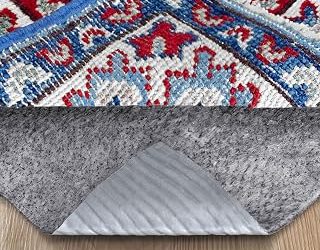
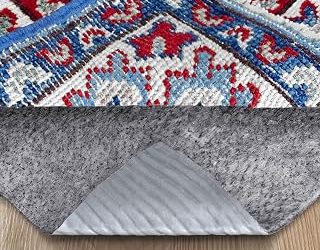
- Backing construction: Solid rubber or TPR outlasts sprayed latex by a wide margin, particularly through wash cycles. Sprayed backings stiffen, crack, and eventually leave residue; a molded rubber layer stays pliable and grips without adhesive.
- Underfoot support: Entries are standing zones. You unlace boots, shift weight, balance on one leg. A dense, tight construction distributes that load evenly, while a thin loose weave over hard tile transmits it straight into your heels and knees.
- Washability at your machine size: A 2×3 fits a standard front-loader comfortably. A 5×8 usually does not, so confirm the rug tolerates a commercial machine or spot cleaning before you rely on the “washable” label.
The Best Material For Entryway Rug (2026)s Reviewed
Washable 2×3 Vintage Entryway Rug, Beige
The faded vintage print here does real work, disguising the uneven soiling that shows up first along the walking line where most solid rugs start to look tired. At 2×3 it launders in a home machine without stressing the seams, and the low profile keeps the threshold edge from lifting.
Non-Slip Absorbent Door Mat 24″x36″, Khaki
This is the one I’d put on the interior side of an exterior door, where absorbency matters more than looks. The rubber backing is molded rather than sprayed, so it holds position on tile without a pad and survives repeated washing, and the dense short pile pulls water off soles instead of letting it pool at the edge.
Lahome Floral Washable 2×3 Rug, Black Paisley
Dark ground with a high-contrast print is the most forgiving combination for a busy entry, hiding both dry soil and the water rings a wet umbrella leaves behind. The stain-resistant fiber releases dirt readily in a cold wash and its thin build sits comfortably under a door that clears the floor by little.
Unique Loom Heathered Indoor/Outdoor Flatweave
The pick for covered porches and mudrooms with real moisture exposure, since the flatweave has no pile to hold water and the indoor/outdoor fiber shrugs off UV fade. The 3’3″ x 5’3″ footprint gives you a full stride of coverage, though you’ll want a thin pad underneath for standing comfort on concrete.
Lahome Moroccan Trellis Door Mat, Blue
Geometric trellis patterns break up visual wear better than florals do because the repeat is tighter and more regular. Construction matches the other Lahome mat, thin, grippy, and machine washable, making it a sensible choice for a narrow entry where a thicker rug would bind against the door.
Frequently Asked Questions
Is wool worth it for an entryway?
Wool has excellent crush recovery and hides soil well, but it absorbs moisture and dries slowly, which invites odor in a wet climate. For a covered, dry entry it’s a strong choice; anywhere snow or rain reaches, synthetics perform better.
Do I still need a rug pad?
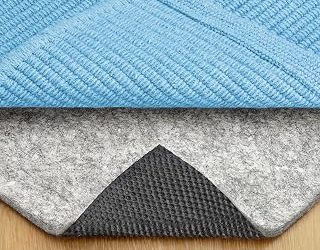
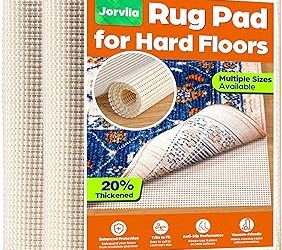
If the rug has molded rubber backing, no. Sprayed-latex or woven-back rugs benefit from a felt-and-rubber pad, which also adds the cushioning that makes standing there tolerable.
How often should I wash it?
Vacuum weekly and wash every four to six weeks in a high-traffic entry. Grit left in the pile acts as an abrasive and cuts fiber lifespan considerably.
What if I need to cover a larger area?
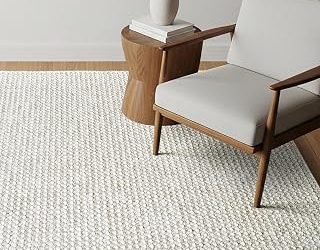
For open foyers that flow into living space, the nuLOOM Kailani in 5′ x 8′ scales up the same washable-synthetic approach, though a rug that size generally needs a commercial machine.
Final Thoughts
For most homes, the 24″x36″ non-slip absorbent door mat handles the wet, dirty work just inside the door better than anything else here, while the Washable 2×3 Vintage Rug in beige is the more attractive choice one step further in. If your entry sees genuine weather exposure, the Unique Loom flatweave is the material that will still look right in three years.