Key takeaways
- Fiber resilience: Choose fibers and weaves that can tolerate repeated compression without developing obvious traffic lanes. Low-to-medium pile generally recovers more predictably than deep shag.
- Maintenance: In busy zones, stain resistance and straightforward vacuuming matter as much as visual appeal. Dense, non-shedding surfaces are usually easier to keep hygienic.
- Pile height: Plush pile improves cushioning but can catch crumbs, impede chair movement, and create a trip concern at transitions. Keep thickness in proportion to the room’s function.
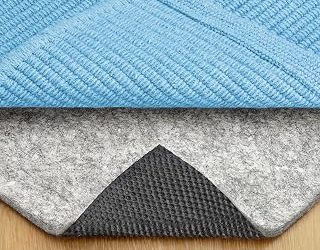
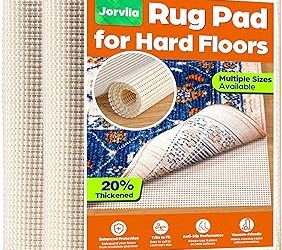
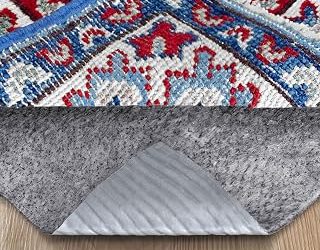
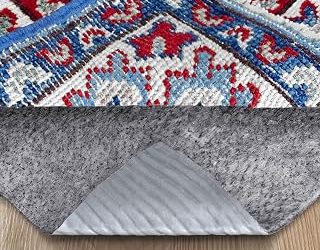
- Backing and stability: A rug should stay planted when people pivot, step off furniture, or pull out dining chairs. Use a properly sized rug pad when the product or floor requires additional grip.
- Room demands: Wool, synthetic fibers, jute-inspired textures, and shag constructions each suit different conditions. Consider spills, pets, footwear, mobility needs, and the amount of daily cleaning you will realistically do.
What's inside
High-traffic rooms expose a rug’s weaknesses quickly: flattened fibers along walkways, frayed edges near doorways, trapped grit, and backing that creeps across hard flooring. A style that looks impressive in a low-use room may become a maintenance project under dining chairs, rolling office wheels, muddy shoes, or daily family traffic.
This guide evaluates rug materials and construction from an ergonomics-and-durability perspective. The focus is not simply on appearance, but on cleanability, underfoot comfort, pile recovery, edge stability, and how each design is likely to perform in a busy living room, entryway, bedroom, office, or dining area.
As an Amazon Associate we earn from qualifying purchases.


🛒 Best Price Today on Amazon
Prime members get fast, free shipping on everything above, plus member-only deals. New members get a 30-day free trial — cancel anytime.
How to Choose a/an Rug Material For High-Traffic Area (2026)
- Fiber resilience: Choose fibers and weaves that can tolerate repeated compression without developing obvious traffic lanes. Low-to-medium pile generally recovers more predictably than deep shag.
- Maintenance: In busy zones, stain resistance and straightforward vacuuming matter as much as visual appeal. Dense, non-shedding surfaces are usually easier to keep hygienic.
- Pile height: Plush pile improves cushioning but can catch crumbs, impede chair movement, and create a trip concern at transitions. Keep thickness in proportion to the room’s function.
- Backing and stability: A rug should stay planted when people pivot, step off furniture, or pull out dining chairs. Use a properly sized rug pad when the product or floor requires additional grip.
- Room demands: Wool, synthetic fibers, jute-inspired textures, and shag constructions each suit different conditions. Consider spills, pets, footwear, mobility needs, and the amount of daily cleaning you will realistically do.
The Best Rug Material For High-Traffic Area (2026)s Reviewed
Gertmenian Indoor Boho Area Rug
The Romi 8×10 rug is a practical choice for households wanting broad coverage with a non-shedding, stain-resistant surface. Its relatively manageable profile should work well beneath living-room furniture or a dining table, where easy upkeep and unobtrusive movement are more valuable than extreme plushness.
SAFAVIEH Hudson Shag Area Rug
The Hudson combines a trellis pattern with a two-inch shag pile, giving it a softer, more cushioned feel underfoot than flatter designs. That comfort comes with a trade-off: deep pile can complicate vacuuming and chair movement, so it is better suited to a high-use lounge or bedroom than to a heavily trafficked entry path.
SAFAVIEH Metro Handmade Wool Rug
The handmade Metro collection rug uses wool, a naturally resilient fiber with a substantial, tactile feel. Its 10×14 size makes it useful for anchoring a large seating arrangement, although wool generally rewards prompt spill treatment and regular, appropriate vacuuming to manage tracked-in grit.
SUPERIOR Rockwood Modern Geometric Rug
The Rockwood’s geometric design and jute-backed construction give it a more structured, casual character for offices, dining rooms, bedrooms, and entryways. Its easy-care positioning makes it appealing where practical maintenance is the priority; add a compatible rug pad if the floor surface or foot traffic creates unwanted movement.
SAFAVIEH California Shag Rug
The California Shag offers a generous two-inch pile and a dark-grey color that can visually disguise everyday marks between cleanings. It is a comfort-first option for a living room or bedroom, but the thick surface may be less ergonomic for wheeled chairs, walkers, or frequent dining-chair repositioning.
Frequently Asked Questions
What rug material is most durable for heavy foot traffic?
Durability depends on both fiber and construction. A tightly made, low- or medium-pile rug is usually easier to keep functional in busy walkways than a loosely constructed, extra-deep pile. Wool can be highly resilient, while easy-care synthetic designs often simplify spill management.
Is shag a good choice for a high-traffic area?
Shag can work in a living room or bedroom when comfort is the main goal, but it is not the easiest format for every busy zone. Its height can retain debris, resist ordinary vacuum heads, and interfere with chair legs or mobility aids.
Should I use a rug pad on hardwood floors?
Usually, yes. A properly sized pad can improve traction, reduce sliding, soften impact, and protect the floor from abrasive grit. Confirm that the pad is suitable for hardwood and compatible with the rug’s backing before installation.
How do I make a high-traffic rug last longer?
Vacuum according to the manufacturer’s care guidance, remove grit before it works into the fibers, and blot spills rather than rubbing them outward. Rotate the rug periodically when practical, and keep exposed edges flat to reduce premature wear and tripping risk.
Final Thoughts
For a balanced combination of coverage and easy upkeep, the Gertmenian Romi is a strong all-purpose pick. Choose the SAFAVIEH Metro when wool texture and large-room durability are priorities, or the Rockwood when a structured, easy-care surface suits an entryway, office, or dining area best.