Key takeaways
- Slat spacing and thickness: Aim for gaps under three inches on foam or hybrid mattresses. Wider spacing lets foam bulge downward between slats, creating micro-hammocks that pull your lumbar curve out of neutral and, on most brands, void the mattress warranty.
- Center support geometry: A queen or larger needs a longitudinal center rail with its own legs to ground. Frames that rely only on perimeter rails transfer every pound of your body weight into the side joints, which is where flex, then squeak, then permanent deformation begin.
- Joint hardware over raw load ratings: A 3,500 lb static rating tells you little about dynamic fatigue. Look for welded corners or bolted steel-to-steel connections with lock washers. Sheet-metal tabs and self-tapping screws work loose from ordinary nightly movement.
- Deck height matched to your hips: The sweet spot puts your mattress top roughly level with your kneecap when standing, so sit-to-stand happens without a drop or a hoist. Fourteen inches of frame under a ten-inch mattress lands most adults there; taller mattresses call for a lower platform.
- Floor interface: Scratch-resistant caps or felted feet protect flooring, but their real job is preventing lateral creep. A frame that shuffles half an inch a week eventually strains its own joints and drifts away from the wall.
What's inside
A bed frame fails quietly. It does not snap in half on night one; it develops a faint tick at the center rail around month four, then a shallow sag under your hip by month ten, and by the time you notice your lower back protesting at 6 a.m., the culprit is already twelve inches beneath you. Most shoppers evaluate frames the way they evaluate wall art, by silhouette and finish, and then wonder why a good mattress stopped feeling good. Load path, slat spacing, and joint tolerance decide how a frame ages. Aesthetics decide how you feel about it on day one.
This guide approaches bed frames from a structural and postural standpoint: where weight actually travels, which joints loosen first, and how deck geometry changes the way a mattress supports your spine. Below you’ll find the frames worth shortlisting in 2026, spanning welded steel platforms, solid pine decks, and upholstered builds with adjustable slat height, plus the specification details that separate a ten-year frame from a two-year one.
As an Amazon Associate we earn from qualifying purchases.


🛒 Best Price Today on Amazon
Prime members get fast, free shipping on everything above, plus member-only deals. New members get a 30-day free trial — cancel anytime.
How to Choose a/an Places To Buy A Bed Frame (2026)
- Slat spacing and thickness: Aim for gaps under three inches on foam or hybrid mattresses. Wider spacing lets foam bulge downward between slats, creating micro-hammocks that pull your lumbar curve out of neutral and, on most brands, void the mattress warranty.
- Center support geometry: A queen or larger needs a longitudinal center rail with its own legs to ground. Frames that rely only on perimeter rails transfer every pound of your body weight into the side joints, which is where flex, then squeak, then permanent deformation begin.
- Joint hardware over raw load ratings: A 3,500 lb static rating tells you little about dynamic fatigue. Look for welded corners or bolted steel-to-steel connections with lock washers. Sheet-metal tabs and self-tapping screws work loose from ordinary nightly movement.
- Deck height matched to your hips: The sweet spot puts your mattress top roughly level with your kneecap when standing, so sit-to-stand happens without a drop or a hoist. Fourteen inches of frame under a ten-inch mattress lands most adults there; taller mattresses call for a lower platform.
- Floor interface: Scratch-resistant caps or felted feet protect flooring, but their real job is preventing lateral creep. A frame that shuffles half an inch a week eventually strains its own joints and drifts away from the wall.
The Best Places To Buy A Bed Frame (2026)s Reviewed
NEW JETO 14-Inch Metal Bed Frame with Storage
The 14-inch clearance and multi-leg steel understructure make this a sensible pick for anyone who wants underbed storage without sacrificing center support. Assembly is genuinely quick, and the tall profile keeps sit-to-stand transitions easy for taller adults or anyone managing knee sensitivity.
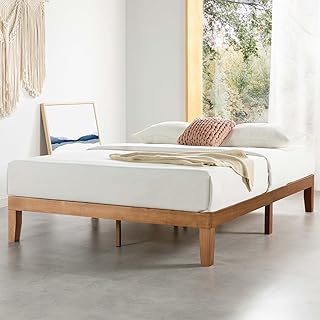
Mellow Naturalista Classic 12-Inch Solid Wood Platform
Solid pine dampens vibration in a way tubular steel cannot, so this frame stays quiet as it seasons rather than developing metallic resonance. The 12-inch height suits thicker mattresses that would otherwise sit uncomfortably high, and the wooden slat deck offers even, warranty-friendly foam support.
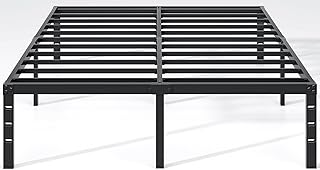
14-Inch Heavy Duty Steel Platform, Noise-Free
The 3,500 lb steel chassis and scratch-proof feet target the two most common failure points at once: joint fatigue and lateral drift across hard floors. This is the durability-first choice for couples, co-sleeping households, or anyone who has already worn out one budget frame.
ZINUS Vivek Deluxe Wood Platform with Headboard
The slatted headboard is structurally integrated rather than bolted on as an afterthought, which matters if you read or work in bed and need something to lean against without racking the frame. Wood slat support and a clean contemporary profile make it an easy fit in rooms where the bed is visible from the doorway.
GRUSIGN Queen Platform with Velvet Headboard
Adjustable slat height is the standout feature here, letting you tune deck depth to your mattress thickness so your hips land where they should. The upholstered headboard also provides forgiving contact for sitting upright, useful if you spend time reading before sleep.
Frequently Asked Questions
Do I need a box spring with a platform frame?
No. Platform frames with closely spaced slats already provide the support a box spring once supplied. Adding one raises your sleep surface and can push the mattress top above a comfortable hip height.
What actually causes bed frame squeaking?
Almost always metal-on-metal movement at loosened bolts or slats shifting in their pockets. Retorque all fasteners every six months, and add adhesive felt strips where slats meet the rails.
Is metal or wood more durable?
Welded steel resists deformation better under heavy or shifting loads. Solid wood ages more quietly and tolerates seasonal humidity swings without fatigue cracking. Both outlast particleboard construction.
Will underbed storage compromise support?
Not if the storage clearance comes from taller legs rather than the removal of the center rail. Check that the frame retains a full-length center support with its own ground contact.
Final Thoughts
If longevity is your priority, the 14-Inch Heavy Duty Steel Platform earns the nod for its welded chassis and floor-protecting feet. The Mellow Naturalista Classic is the better answer for quiet, low-vibration support in a solid wood build, and the NEW JETO 14-Inch frame threads the needle for shoppers who need real underbed storage without giving up center-rail support.