Key takeaways
- Gauge and coil count: Heavier sleepers need lower-gauge steel coils (thicker wire) and higher coil counts in the support core. Anything above 13-gauge with zoned pocket springs provides the kind of resistance that prevents deep compression over years of use.
- Foam density and ILD rating: Look for polyfoam layers rated at 1.8 lb/ft³ density or higher, paired with ILD (indentation load deflection) values that reflect genuine firmness. Low-density foams pancake under sustained load, so resist the temptation to chase softness at the expense of resilience.
- Zoned lumbar and hip support: A mattress that varies firmness across seven or more zones — stiffer at the lumbar and hip region, softer at the shoulders — keeps the spine neutral without creating harsh pressure points. This is non-negotiable for larger body types.
- Edge reinforcement: Reinforced perimeter coils or high-density foam rails prevent the “roll-off” sensation and extend the usable sleep surface. For larger individuals, strong edges also make sitting on the bed far more stable.
- Certifications and trial length: CertiPUR-US or equivalent certifications confirm that foam layers are free of harmful off-gassing chemicals. Longer trial periods — ideally 365 nights or more — give your body enough time to reveal whether the mattress truly supports your frame.
What's inside
Shopping for a mattress when you carry more weight than the average sleeper is a uniquely frustrating experience. Standard mattresses are engineered around a narrow body-weight range, which means heavier individuals often deal with premature sagging, insufficient edge support, and pressure points that disrupt sleep within months of purchase. The ergonomic stakes are real: poor spinal alignment during rest compounds musculoskeletal issues over time, making mattress selection less of a luxury decision and more of a health investment.
This guide evaluates six mattresses specifically through the lens of load-bearing durability, zoning architecture, and long-term structural integrity. Every pick here is assessed for how well its coil gauge, foam density, and reinforcement strategy hold up under sustained higher weight. Whether you need cooling, extra-firm lumbar bracing, or motion isolation for a shared bed, these recommendations are grounded in construction quality rather than marketing claims.
As an Amazon Associate we earn from qualifying purchases.


🛒 Best Price Today on Amazon
Prime members get fast, free shipping on everything above, plus member-only deals. New members get a 30-day free trial — cancel anytime.
How to Choose a Mattress For Large People (2026)
- Gauge and coil count: Heavier sleepers need lower-gauge steel coils (thicker wire) and higher coil counts in the support core. Anything above 13-gauge with zoned pocket springs provides the kind of resistance that prevents deep compression over years of use.
- Foam density and ILD rating: Look for polyfoam layers rated at 1.8 lb/ft³ density or higher, paired with ILD (indentation load deflection) values that reflect genuine firmness. Low-density foams pancake under sustained load, so resist the temptation to chase softness at the expense of resilience.
- Zoned lumbar and hip support: A mattress that varies firmness across seven or more zones — stiffer at the lumbar and hip region, softer at the shoulders — keeps the spine neutral without creating harsh pressure points. This is non-negotiable for larger body types.
- Edge reinforcement: Reinforced perimeter coils or high-density foam rails prevent the “roll-off” sensation and extend the usable sleep surface. For larger individuals, strong edges also make sitting on the bed far more stable.
- Certifications and trial length: CertiPUR-US or equivalent certifications confirm that foam layers are free of harmful off-gassing chemicals. Longer trial periods — ideally 365 nights or more — give your body enough time to reveal whether the mattress truly supports your frame.
The Best Mattress For Large People (2026)s Reviewed
BedStory Extra Firm King
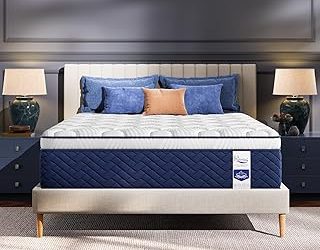
Engineered specifically for heavier sleepers who need maximum structural resistance, the BedStory Extra Firm pairs reinforced pocket coils with high-density lumbar and hip zones that genuinely resist compression. The 365-night trial and fiberglass-free, CertiPUR-US certified construction remove the typical barriers to trying a firmer bed, making it a standout for anyone whose previous mattress collapsed under load.
BedStory 14 Inch Hybrid
With zoned lumbar support built into its pocket-spring architecture, this hybrid addresses the exact failure point most mattresses exhibit under heavier body weights — mid-section collapse. The no-sagging design and 10-year warranty reflect genuine confidence in the coil gauge and foam density used throughout, and back-pain sufferers consistently report meaningful pressure relief at the hips and lower spine.
EGOHOME 14 Inch King
The copper-gel infusion and graphene-cool-tech cover aren’t just buzzwords; they address heat retention, a problem that compounds when more body mass presses into foam layers. The ICA endorsement validates its orthopedic claims, and the motion isolation performance means a restless sleeping partner won’t translate into surface-level disturbance. Solid choice for couples where one or both sleepers are above average weight.
Sweetnight CoolNest Hybrid 14 Inch
Seven distinct ergonomic zones give this mattress an unusual degree of precision in how it distributes support, making it one of the better options for individuals whose weight isn’t uniformly distributed. The cooling pillow top and enhanced breathability layer tackle the thermoregulation challenges that heavier sleepers face without sacrificing the medium-firm feel that protects spinal alignment.
Sweetnight CoolNest 14 Inch
The five-zone ergo support system provides a slightly simpler but still effective alternative to its hybrid sibling, with CertiPUR-US certified cooling memory foam that performs well under sustained compression. For larger sleepers who prefer a medium feel without sinking too deeply, the balance between contouring comfort and underlying firmness is thoughtfully calibrated.
Frequently Asked Questions
What mattress firmness is best for heavier sleepers?
Medium-firm to firm mattresses typically perform best for larger individuals because they provide enough pushback to prevent the sleeper from sinking through comfort layers into the support core. Too soft, and you lose spinal neutrality; too hard, and pressure-point discomfort at the hips and shoulders emerges. Medium-firm with zoned support is the sweet spot most ergonomics research points toward.
How thick should a mattress be for a heavy person?
Twelve to fourteen inches is the ideal range. Thicker mattresses accommodate the deeper comfort and support layers needed to distribute weight without bottoming out. Anything under ten inches risks compression through the foam layers in a matter of months for sleepers above 230 pounds.
Do hybrid mattresses last longer for heavy sleepers?
Generally yes. Pocket-spring hybrids distribute load across individually wrapped coils, which reduces the concentrated stress that causes foam-only mattresses to develop body impressions. The combination of coil support and foam comfort layers typically extends functional lifespan for heavier users compared to all-foam alternatives.
How often should larger sleepers replace their mattress?
Plan for a seven-to-ten-year cycle rather than the standard ten-to-fifteen, and invest in models offering trial periods long enough to test true durability. If you notice visible sagging greater than one inch, loss of edge support, or waking with new aches, those are structural signals the mattress has exceeded its load-bearing lifespan.
Final Thoughts
For sheer durability under heavier body weights, the BedStory Extra Firm King delivers the most aggressive support architecture, while the BedStory 14 Inch Hybrid offers a more forgiving feel with equally robust zoned reinforcement. If cooling is a priority alongside load-bearing performance, the EGOHOME 14 Inch King brings thermoregulation technology into a structurally sound platform. All three represent genuine engineering solutions rather than cosmetic upgrades dressed in premium branding.