
Key takeaways
- Item Dimensions L x W x H: 6.5"L x 12"W x 6.5"H
- Maximum Weight Recommendation: 440 Pounds
- Material: Plastic, Rubber, Stainless Steel
My garage gym started as a mistake. I bought a 300-pound barbell set before I owned a rack, a bench, or a single square foot of flooring that could survive a dropped plate. The bar sat in the corner for five months while I did push-ups on cold concrete. What finally made the space usable wasn’t more iron — it was six unglamorous accessories that cost less combined than a mid-tier treadmill and turned an empty two-car bay into something I actually walk into at 6 a.m.
That’s the pattern I keep seeing with people who build a home setup: the big-ticket machine gets the budget and the accessories get the leftovers, and then the machine sits unused because there’s nowhere comfortable to sit, nothing to anchor a band to, and no way to load a movement between 20 and 50 pounds. The gear below fixes the gaps. Every item here handles multiple exercises, stores in a closet or under a bed, and survives being knocked over by a kid or a dog. I’ve broken a few of them, which is a better teacher than a spec sheet.
Our top picks
 YOLEO Adjustable Weight Bench for Home Gym
ASTM-certified for an 827-pound capacity limit
84 adjustable positions cover incline, decline, and flat training
Folds down for storage under a bed or sofa
User weight is capped lower at 330 pounds
28-inch backrest may be excessive for smaller spaces
 VINSGUIR Ab Roller Wheel
- Item Dimensions L x W x H: 6.5"L x 12"W x 6.5"H
- Maximum Weight Recommendation: 440 Pounds
- Material: Plastic, Rubber, Stainless Steel
| Product | Key specs | |
|---|---|---|
| YOLEO Adjustable Weight Bench for Home Gym | Check price | |
| VINSGUIR Ab Roller Wheel | Item Dimensions L x W x H: 6.5"L x 12"W x 6.5"H Maximum Weight Recommendation: 440 Pounds Material: Plastic, Rubber, Stainless Steel | Check price |
 YOTTOY Skipping Ropes for Adults -Cordless Counter YOTTOY Skipping Ropes for Adults -Cordless Counter | Check price | |
 Yoga Mat Holder Wall Mount Yoga Mat Holder Wall Mount | Check price | |
 MQRW Push Up Board MQRW Push Up Board | Maximum Weight Recommendation: 600 Pounds Warranty Type: Push up board Assembly Instructions Description: No assembly required | Check price |
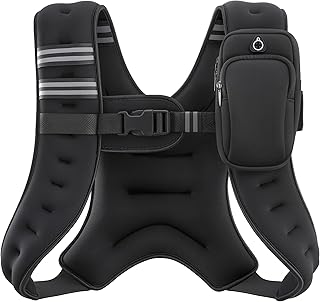 ZELUS Weighted Vest ZELUS Weighted Vest | Check price | |
 Hip Thrust Belt Hip Thrust Belt | Material: Neoprene Closure Type: Hook and Loop | Check price |
 HOXWC Ankle Resistance Bands with Cuffs HOXWC Ankle Resistance Bands with Cuffs | Tension Supported: 10LB, 20LB, 30LB Number of Resistance Levels: 3 Material Type: Neoprene | Check price |
As an Amazon Associate we earn from qualifying purchases at no extra cost to you.
As an Amazon Associate we earn from qualifying purchases.

Quick Comparison
| Accessory | Best For | Space Needed | Typical Spend |
|---|---|---|---|
| Adjustable dumbbell pair | Replacing a full rack of fixed weights | 2 sq ft of floor | $$$ |
| Layered resistance band set | Warm-ups, accessories, travel training | Drawer | $ |
| Folding adjustable bench | Pressing, rows, seated work | Stands upright in a closet | $$ |
| Doorway pull-up bar | Vertical pulling without a rack | One doorframe | $ |
| Interlocking rubber tiles | Protecting floors, quieting drops | Covers 6–8 sq ft each | $$ |
| Suspension trainer | Bodyweight rows, core, unilateral work | Stuff sack | $$ |
How to Choose
- Count your ceiling height before anything else. An overhead press with a barbell needs roughly 8 feet, and a jumping pull-up needs more than most basements have. Measure, then buy.
- Favor gear that loads in small increments. Progress stalls when your only jump is 10 pounds. Dumbbells that move in 2.5-pound steps and bands that stack are what keep training moving month over month.
- Check the weight rating against your body weight plus load, not just the load. A bench rated for 600 pounds total is a different animal than one rated for 600 pounds of barbell.
- Think about noise if anyone else lives in the building. Rubber tiles and a controlled tempo do more for household peace than any apology.
- Buy for the exercises you’ll actually repeat. If you hate lunges, a specialty lunge accessory will collect dust. Equipment doesn’t create discipline; it removes friction from habits you already have.
Top Picks Reviewed
Adjustable Dumbbells — The Anchor Purchase
One pair of dial- or pin-adjusting dumbbells replaces fifteen pairs of fixed ones, which matters when your gym is also where the car parks. Look for a model that spans roughly 5 to 50 pounds per hand with fine increments in the lower range, because that’s where lateral raises and rear-delt work live. The tradeoff is honest: adjustable handles are longer than fixed dumbbells, so close-grip pressing feels awkward, and none of them tolerate being dropped from lockout. Set them down. I’ve watched a friend crack a selector housing in one careless rep, and no warranty covers that.
Layered Resistance Band Set — The Cheapest Real Upgrade
Loop bands do three jobs nobody expects: they warm up hips and shoulders in four minutes, they add accommodating resistance to push-ups when dumbbells run out, and they make banded pull-aparts possible while you’re on a work call. Buy latex loops in graduated strengths rather than a single tube with handles — the loops last longer and cover more exercises. Store them out of sunlight and away from heat vents, because UV and warmth are what actually kill rubber. A snapped band leaves a welt, so inspect for nicks every few weeks and retire anything showing white stress lines.
Folding Adjustable Bench — Where Half Your Program Happens
A bench converts dumbbells from a limited tool into a full upper-body system: incline press, supported rows, seated shoulder work, hip thrusts, decline core. Prioritize a flat-to-incline model with a ladder-style adjustment and a pad that’s around 10 to 12 inches wide — narrower feels tippy, wider blocks your shoulder blades from retracting. Wobble is the deal-breaker. Sit on it in the store or, if buying online, test it hard in the return window by pressing something heavy and feeling for lateral play at the pivot.
Doorway Pull-Up Bar — Vertical Pulling Without a Rack
Leverage-mount bars hook over a doorframe and use your body weight to press against the wall above, no screws required. They’re the single best solution for renters who want chin-ups. Two cautions from experience: check that your trim is solid wood rather than hollow molding, and put a towel between the mount and the paint unless you enjoy touch-ups. Height is limited by the frame, so tall lifters will bend their knees. For that reason I keep mine at a doorway with a hallway behind it, which gives room for hanging leg raises.
Interlocking Rubber Tiles — The Boring Hero
Three-quarter-inch rubber tiles do more than protect concrete. They cut the ring of a dropped dumbbell to a thud, they give bare feet a warm surface in winter, and they keep a bench from skidding mid-set. Buy enough to cover your working platform plus a foot on each side, and let new tiles air out for a week — fresh rubber smells like a tire shop. Puzzle edges hold better than straight-cut mats, though I’d still tape the perimeter seam if you plan to do anything explosive.
Suspension Trainer — Portable Pulling and Core
Anchor a strap system to a door, beam, or the pull-up bar you just installed and you unlock inverted rows, fallout planks, single-leg squats, and assisted dips in a package that fits in a carry-on. The genius is angle-based scaling: step your feet forward and a row gets harder without changing a single plate. Straps take a few sessions to trust, since the instability recruits stabilizers you’ve been ignoring. Start with feet wide and progress from there. Check the anchor and stitching before each use.
Frequently Asked Questions
How much space do I really need?
A rectangle roughly 6 by 8 feet handles everything on this list, including a bench press with dumbbells. If ceiling height is under 7 feet, skip overhead barbell work and lean on incline pressing and landmine variations instead.
Are adjustable dumbbells worth the premium over a fixed set?
If you have room for a full rack and buy secondhand, fixed dumbbells are cheaper per pound and nearly indestructible. Adjustables win on footprint and on covering the whole range from warm-up to working weight. Small space, one purchase: go adjustable.
Can I build real strength without a barbell?
Yes, up to a point. Dumbbells, bands, and bodyweight work will take most people through a year or more of steady progress. Once you’re pressing near the top of your dumbbell range, a barbell and rack become the logical next step — not the first one.
What order should I buy these in?
Flooring and bands first because they’re cheap and immediately useful, then dumbbells, then a bench, then the pull-up bar and straps. That sequence means every purchase is usable the day it arrives instead of waiting on the next one.
Final Thoughts
The gear that changed my training wasn’t impressive to look at. It was a bench that didn’t wobble, tiles that let me train at dawn without waking the house, and dumbbells that could go from 12.5 pounds to 45 in six seconds. Buy the accessories that remove excuses, keep them within arm’s reach of where you actually stand, and let the equipment fade into the background where it belongs. The workout is the point; the hardware is just the part that stops getting in the way.
8 Best Gym Mats for Home: Rubber vs Foam Picks for Any Floor
Best gym mat for home choices come down to material density and...
8 Best Rowers for Home Gym: Air, Magnetic and Water Compared
Best rowers for home gym shortlists usually collapse once someone measures the...
8 Best Weight Home Gyms: 6 All-in-One Machines for Small Rooms
Best weight home gym decisions come down to two numbers before brand...
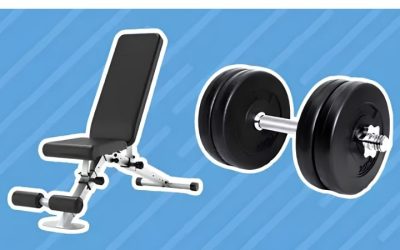
8 Best Home Gym Equipment for Beginners: The Starter Setup
Best home gym equipment for beginners is not a machine – it...
Best Treadmills for Home Gym: 5 Picks by Deck and Motor
Best treadmills for home gym decisions come down to two specifications and...
8 Best Home Gym Compact Setups: 6 Space-Saving Picks Ranked
Best home gym compact claims usually quote a stored footprint and stay...
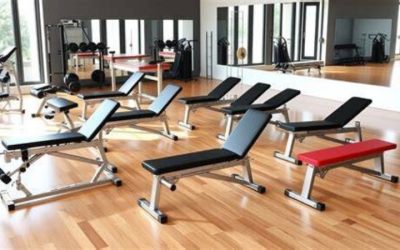
Best Adjustable Bench for Home Gym: 5 Picks Ranked by Use
Best adjustable bench for home gym decisions turn on three numbers most...
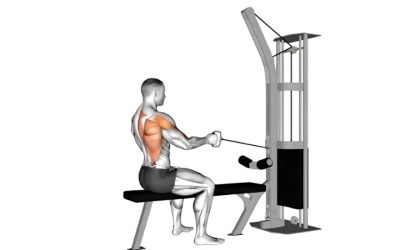
Best Cable Machine for Home Gym: 5 Picks and Pulley Ratios
Best cable machine for home gym shortlists collapse quickly once you convert...
8 Best Cable Machines for Home Gym: 5 Types and Their Limits
Best cable machines for home gym use are not one product category...
8 Best Home Gym Setups: Floors, Ceilings, Noise and Layout
Best home gym setup guides talk about equipment and skip the room,...
Write Your Review
No reviews yet. Be the first to share your experience!