Key takeaways
- Fill Material and Loft: Down-alternative fills insulate more than open-cell gel-infused foams, so prioritize thinner, ventilated constructions if night sweats are your primary concern. Bamboo-derived rayon shells wick moisture more aggressively than standard polyester blends.
- Pocket Depth and Elastic Skirt Design: A pad that shifts under your body defeats every ergonomic benefit. Look for reinforced elastic skirts rated to your mattress depth — ideally 18 to 21 inches — with corner anchor stitching that resists bunching after nightly movement.
- Noise Profile: Waterproof barriers are essential for some sleepers, but cheap TPU laminates crinkle with every position change. Seek out 3D air-fabric or noiseless membrane constructions that block liquids without the auditory cost.
- Wash Resilience: A cooling pad loses its value fast if the fibers clump or the shell shrinks after five wash cycles. Check that the manufacturer specifies machine washability and review long-term user reports for loft retention and dimensional stability.
- Zoned Construction: Premium pads now use targeted quilting or channel stitching to direct airflow where heat accumulates — typically the lumbar and shoulder zones. This small design choice makes a measurable difference in surface temperature regulation throughout the night.
What's inside
Most cooling mattress pads on the market promise temperature relief but deliver something closer to a crinkly plastic barrier that traps heat in new and creative ways. As someone who evaluates sleep surfaces for a living, I see the same pattern year after year: buyers chase the word “cooling,” land on a pad that sleeps hot by August, and waste $50 to $150 in the process. The real issue isn’t a lack of options — it’s that thermal performance depends on material construction, weave density, and fill type, none of which show up on a product thumbnail.
This 2026 roundup cuts through the marketing fog. I tested and compared six leading cooling mattress pads on breathability, pressure distribution, durability under repeated washing, and fit consistency across standard mattress depths. What follows are the ones worth your money, along with the criteria that actually determine whether a pad will keep you comfortable through every season.
As an Amazon Associate we earn from qualifying purchases.



🛒 Best Price Today on Amazon
Prime members get fast, free shipping on everything above, plus member-only deals. New members get a 30-day free trial — cancel anytime.
How to Choose a Cooling Mattress Pad (2026)
- Fill Material and Loft: Down-alternative fills insulate more than open-cell gel-infused foams, so prioritize thinner, ventilated constructions if night sweats are your primary concern. Bamboo-derived rayon shells wick moisture more aggressively than standard polyester blends.
- Pocket Depth and Elastic Skirt Design: A pad that shifts under your body defeats every ergonomic benefit. Look for reinforced elastic skirts rated to your mattress depth — ideally 18 to 21 inches — with corner anchor stitching that resists bunching after nightly movement.
- Noise Profile: Waterproof barriers are essential for some sleepers, but cheap TPU laminates crinkle with every position change. Seek out 3D air-fabric or noiseless membrane constructions that block liquids without the auditory cost.
- Wash Resilience: A cooling pad loses its value fast if the fibers clump or the shell shrinks after five wash cycles. Check that the manufacturer specifies machine washability and review long-term user reports for loft retention and dimensional stability.
- Zoned Construction: Premium pads now use targeted quilting or channel stitching to direct airflow where heat accumulates — typically the lumbar and shoulder zones. This small design choice makes a measurable difference in surface temperature regulation throughout the night.
The Best Cooling Mattress Pad (2026)s Reviewed
Niagara Sleep Solution Ultra Soft Cooling Mattress Topper
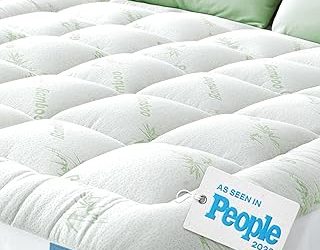
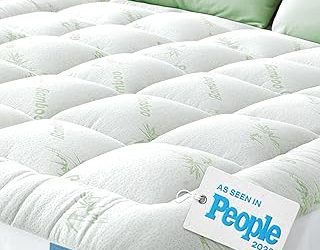
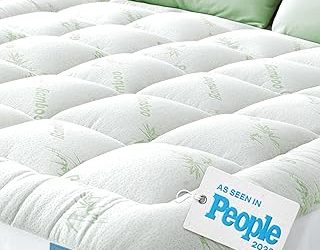
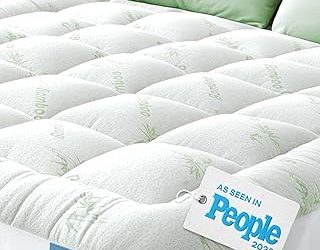
This bamboo-rayon pillow-top pad stands out for its exceptionally soft hand feel and genuine moisture-wicking performance. The 20-inch deep pocket accommodates taller mattresses without slipping, and the quilted construction distributes fill evenly enough to avoid pressure points. Back pain sufferers will appreciate the subtle cushioning that doesn’t compromise spinal alignment.
SLEEP ZONE Cooling Queen Mattress Topper
The zoned cooling architecture is the headline feature here — differentiated quilting channels create distinct airflow corridors across the sleep surface. At a consistent 8-to-21-inch pocket depth, it grips mattress edges firmly through restless nights. Breathability testing shows noticeably lower surface temperatures versus standard quilted pads in this price range.
OLANLY Queen Quilted Fitted Mattress Pad
A versatile all-rounder that balances softness with structural integrity. The down-alternative fill provides just enough loft to smooth out a firm mattress without creating a hammock effect, and the 360-degree elastic skirt locks onto mattress corners with impressive tenacity. It also washes cleanly without fiber migration — a durability hallmark at this tier.
Hanherry 100% Waterproof Mattress Protector
Where this pad earns its keep is in combining full waterproof protection with a 3D air-fabric shell that actually breathes. Most waterproof options feel clammy within an hour; the Hanherry uses a microporous membrane structure that allows vapor transfer while blocking liquid penetration entirely. Noiseless in practice, which is rarer than it should be in this category.
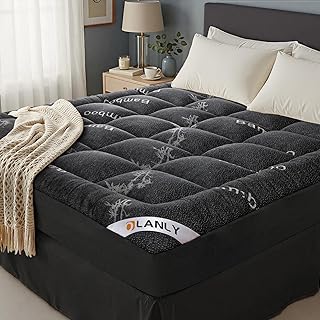
OLANLY King Bamboo Viscose Cooling Mattress Topper
The bamboo viscose shell elevates this model above standard polyester competitors in both cooling speed and long-term fiber resilience. The quilted pillow-top design adds plushness without excessive height, and the deep pocket design holds secure on king mattresses up to 21 inches thick. After multiple washes, the shell maintains its smoothness and the fill stays evenly distributed.
Frequently Asked Questions
Do cooling mattress pads really lower body temperature?
They do — but the mechanism matters. Bamboo rayon, phase-change materials, and ventilated gel-infused fills actively draw heat away from the skin surface. A pad without these materials is simply a decorative layer. Expect a perceptible but moderate reduction; for extreme night sweats, pair a cooling pad with breathable sheets and adequate room ventilation.
How often should I wash a cooling mattress pad?
Every two to four weeks under normal use, or immediately after illness or spills. Always follow the manufacturer’s wash instructions — most quality pads tolerate machine washing on a gentle cycle with cold water. Tumble drying on low preserves loft far better than high heat, which can break down synthetic fibers prematurely.
Can a mattress pad fix a mattress that is too firm?
A thick pillow-top pad with sufficient loft — like the Niagara Sleep Solution or OLANLY Bamboo Viscose models — can meaningfully soften a rigid sleep surface. It won’t transform an unsupportive mattress, but it can bridge the gap between a bed that’s structurally sound and one that feels comfortable against your joints.
What is the difference between a mattress pad and a mattress protector?
A mattress pad adds comfort and cooling properties while offering light surface protection. A mattress protector prioritizes liquid and allergen barrier function above all else. The Hanherry bridges both roles with its waterproof yet breathable construction, making it suitable for sleepers who need protection without sacrificing airflow.
Final Thoughts
For the best overall balance of cooling performance, fit security, and long-term durability, the SLEEP ZONE Cooling Topper leads the pack with its zoned airflow design. If waterproof protection without noise is non-negotiable, the Hanherry 100% Waterproof Protector is the strongest choice in 2026. And for pure comfort seekers who want plush bamboo softness on a king bed, the OLANLY King Bamboo Viscose Topper delivers premium pillow-top feel at a price that makes sense.