Key takeaways
- Frame and hinge hardware: Look for a hardwood or engineered-wood perimeter frame with steel click-clack hinges bolted through, not stapled. Bolted joinery can be re-torqued in year three; staples cannot, and a loose staple is where creaking begins.
- Foam density and seat depth: Thin-profile futons rely on high-resilience foam to compensate for shallow cushion depth. A seat depth around 20 to 22 inches supports most thighs without cutting behind the knee; anything shallower forces you to perch.
- Upholstery wear resistance: Polyester-blend linen breathes better and hides scuffs, while faux leather wipes clean but can crease and peel at the fold line where the backrest breaks. If the futon converts daily, favor woven fabric at that hinge zone.
- Backrest detents and sleep length: Three-position mechanisms (upright, lounge, flat) are the sweet spot. Confirm the flat length with armrests removed, since that number, not the sofa width, is your usable sleep surface.
- Leg mounting and weight rating: Metal legs should thread into steel inserts or a reinforced rail, not directly into particleboard. Cross-check the stated capacity against a two-person load, roughly 500 pounds or more for regular guest duty.
What's inside
Small-space shoppers usually pick a futon on footprint and finish, then discover the parts that actually matter six weeks later: a seat that has flattened into a hammock, a click-clack hinge that no longer holds its middle position, or a backrest angle that puts your lumbar spine into a slow curl every evening. Convertible sofa beds live a harder mechanical life than any other seat in the house, because every conversion cycle loads the frame in a direction it wasn’t sitting in a minute ago. That’s where cheap ones come apart.
This guide looks at the current Best Choice Products convertible futon lineup, plus two close competitors worth cross-shopping, through two lenses: how the geometry treats your body across a long sit and an occasional overnight, and how the frame, foam, and fabric hold up after a few hundred conversions. Below you’ll find the shortlist, the specs that predict longevity, and honest notes on where each model earns its keep.
As an Amazon Associate we earn from qualifying purchases.




🛒 Best Price Today on Amazon
Prime members get fast, free shipping on everything above, plus member-only deals. New members get a 30-day free trial — cancel anytime.
How to Choose a Best Choice Products Convertible Futon Sofa Bed (2026)
- Frame and hinge hardware: Look for a hardwood or engineered-wood perimeter frame with steel click-clack hinges bolted through, not stapled. Bolted joinery can be re-torqued in year three; staples cannot, and a loose staple is where creaking begins.
- Foam density and seat depth: Thin-profile futons rely on high-resilience foam to compensate for shallow cushion depth. A seat depth around 20 to 22 inches supports most thighs without cutting behind the knee; anything shallower forces you to perch.
- Upholstery wear resistance: Polyester-blend linen breathes better and hides scuffs, while faux leather wipes clean but can crease and peel at the fold line where the backrest breaks. If the futon converts daily, favor woven fabric at that hinge zone.
- Backrest detents and sleep length: Three-position mechanisms (upright, lounge, flat) are the sweet spot. Confirm the flat length with armrests removed, since that number, not the sofa width, is your usable sleep surface.
- Leg mounting and weight rating: Metal legs should thread into steel inserts or a reinforced rail, not directly into particleboard. Cross-check the stated capacity against a two-person load, roughly 500 pounds or more for regular guest duty.
The Best Choice Products Convertible Futon Sofa Beds Reviewed (2026)
Linen Modern Folding Futon with Removable Armrests and Cupholders
The most balanced ergonomic package here: the woven linen upholstery handles the repeated backrest fold better than coated finishes, and pulling both armrests off buys you real diagonal sleeping room in a dorm or studio. The seat is firm out of the box and settles into a supportive medium after a couple of weeks of use.
Faux Leather Upholstered Convertible Futon
Choose this one for households where spills are routine, since the surface wipes down in seconds and resists absorbing odors. Keep an eye on the crease at the hinge line over time, and rotate your seating position so a single spot doesn’t carry every conversion cycle.
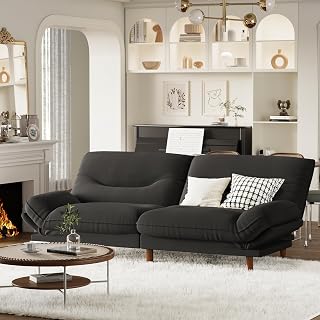
Convertible Linen Tufted Split-Back Plush Futon with 2 Pillows
The split back is the standout feature for shared living rooms: one side reclines for a nap while the other stays upright for reading, which also spreads mechanical load across two independent hinges instead of one. Its wood frame and metal legs give it the most sofa-like posture in the group, with a taller seat height that’s easier on knees and hips.
Homall 65″ Convertible Loveseat Futon
A tidy 65-inch footprint with adjustable backrest and armrests, making it the pick for narrow apartments and awkward alcoves. The linen wrap and wood frame track closely with the Best Choice models, though the shorter overall length means taller sleepers should treat it as a lounger first and a guest bed second.
Flamaker Faux Leather Convertible Loveseat Futon
Well-executed for a compact faux-leather build, with dual cupholders and removable armrests that genuinely extend the flat surface rather than just decorating the ends. Assembly is straightforward, and the legs mount into a reinforced rail that feels more planted than the price suggests.
Frequently Asked Questions
How long will the cushions hold their shape?
Expect noticeable softening in the primary seating spot within six to twelve months of daily use. Flipping the seat cushion where the design allows, and varying where you sit, meaningfully slows that compression set.
Can I sleep on one of these every night?
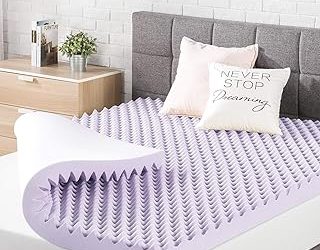
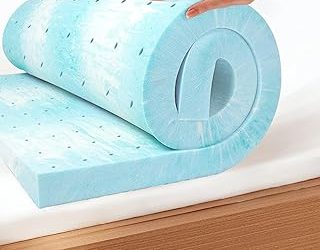
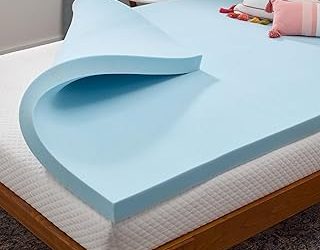
They’re engineered for occasional guest duty, not nightly rest. For long-term sleeping, add a two- to three-inch topper to smooth the hinge seam and reduce pressure on hips and shoulders.
Do removable armrests actually add sleeping length?
Yes, and it’s usually four to eight inches per side. Measure the flat deck with the arms off before you decide whether a 65-inch loveseat will work for an adult guest.
Linen or faux leather for durability?
Faux leather wins on cleanability; woven linen wins on breathability and on surviving the repeated fold at the backrest. Match the material to your conversion frequency.
Final Thoughts
For most buyers, the Best Choice Products Linen Folding Futon is the smartest all-around choice thanks to its fold-friendly fabric and genuinely usable flat length. Shared spaces should step up to the Tufted Split-Back Plush Futon for its independent recline and taller, more supportive seat, while the Flamaker faux leather loveseat is the practical answer for tight rooms and messy households.