Key takeaways
- Create an office inventory linking item photos, ownership, receipts and unanswered insurance questions without assuming coverage or claim values.
What's inside

Prepare a home office inventory by linking each item to its description, ownership, photographs and available purchase evidence. Then list the coverage questions you want your insurer to answer. The inventory organizes facts; it does not establish that an item is covered or predict what a claim would pay.
A room used for both household and work activities can contain personally owned furniture, employer equipment, rented items and business purchases. Keeping those categories visible makes the conversation clearer. Do not assume everything in the same room belongs to the same person or receives the same insurance treatment.
Start with a room view, then identify individual items
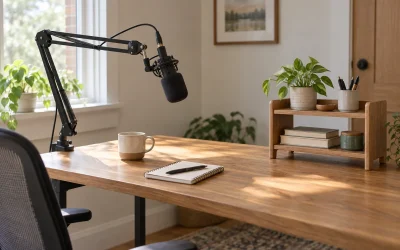
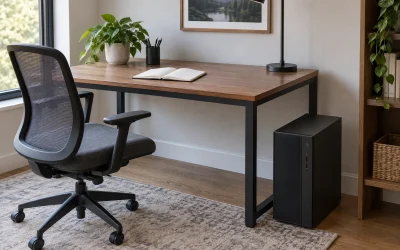
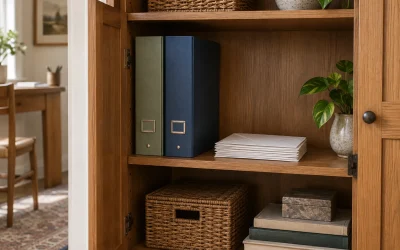
Take an overview photograph showing the office arrangement, followed by item photographs where practical. Use a simple item identifier, such as OF-012, to connect each photograph to its inventory row. Record the desk, chair and storage furniture as well as computers and other equipment. A general room picture alone may not show a model label or distinguish similar items.
Do not move heavy furniture or disconnect equipment solely to complete a photograph. Record inaccessible identification as an open task. For employer-owned devices, follow the employer’s rules before photographing labels or sharing information. Keep screens, client papers, passwords and other private content out of the pictures.
Capture evidence without filling gaps with guesses
The Insurance Information Institute’s home inventory guidance recommends item descriptions, purchase details, make or model information and available receipts, with an inventory copy kept outside the home. Apply that basic evidence approach to the office, while asking your own insurer what format and supporting information it needs.
Record the price actually supported by a receipt in a purchase-cost field. If there is no receipt, write “receipt unavailable” and describe any other evidence you have. Do not silently substitute a current retail listing for the original purchase price. A replacement-price note, if requested, should have its own date, source and description of how closely the listed item matches.
| Inventory field | Useful entry |
|---|---|
| Item ID and description | OF-012; adjustable desk, color and configuration |
| Ownership | Personal, employer, rented, business or unresolved |
| Identification | Make, model and accessible serial number |
| Purchase evidence | Receipt reference, date and documented amount |
| Photographs | File names for overview, item and label |
| Location and use | Office room; factual use description |
| Open question | Specific question for insurer or owner |
Separate ownership from everyday use
Using a laptop every day does not make it personally owned. Write the actual owner and retain relevant loan or employer records where you are permitted to do so. Likewise, a desk purchased personally but used for paid work should have a factual use description rather than a guessed insurance classification.
Ask the insurer how it wants mixed personal and work use described. If equipment is regularly taken elsewhere, explain that pattern and ask how location affects the discussion. Avoid converting general online guidance into a conclusion about your policy. The correct response depends on the applicable contract and circumstances.
Worked example: one desk, three ownership records
Imagine a home office containing a personally purchased desk, an employer-issued laptop and a rented printer. This is a fictional documentation example. The desk row links to its receipt and photographs. The laptop row names the employer and references the permitted asset record. The printer row points to the rental agreement and identifies the owner.
The inventory does not put all three purchase values into a single “my belongings” total. Instead, the owner and evidence fields expose the questions: which items should be included in the household inventory, what responsibilities arise from the rental, and who handles the employer equipment? The insurer and the relevant owners can answer those questions from the actual arrangements.
If the desk receipt is missing, leave that fact visible. An old order email may help identify the item, but do not claim it proves details it does not contain. Record each piece of evidence for what it shows, and ask what additional documentation would be useful.
Prepare a short question list
Ask whether the insurer needs extra information about work use, ownership or equipment kept away from home. Ask how it wants a missing receipt handled and whether particular items need further identification or documentation. Request clarification of any unfamiliar valuation terms in the policy rather than assuming purchase cost and possible settlement value are the same.
Keep the answers with the date and the policy or reference they concern. A conversation about an older policy should not be treated as confirmation of a later renewal’s terms. If advice changes the information you need to collect, update the relevant inventory rows instead of adding a vague note at the top of the spreadsheet.
Protect and maintain the record
Store the inventory where authorized household members can retrieve it if the office computer is unavailable. Restrict access to documents containing serial numbers, receipts and personal information. Share through a channel confirmed by the insurer, and provide only the information needed for the request. An inventory is not a public room tour.
Update entries after major purchases, disposals, moves or ownership changes. Mark an item sold or returned rather than leaving it in the active list. The result should be a dated, understandable evidence packet that supports an informed insurance conversation, with unanswered coverage questions still clearly marked.