Our Top Picks
Pros & cons
- Four memory presets simplify switching between heights
- Aerospace-grade lifting columns aim for long-term stability
- Low-VOC materials support a healthier indoor workspace
- 48 x 24 inch top limits room for larger multi-monitor setups
- At nearly 44 pounds, assembly needs some help
The normal height for a desk is 28 to 30 inches (71 to 76 cm), measured from the floor to the top surface. That range works for most adults between 5’4″ and 6’0″ when paired with a chair that lets forearms rest parallel to the floor. Outside that height range, or if you’re noticeably taller or shorter than average, the “normal” number stops being the right number, and that’s where chair adjustments, footrests, or leg trimming come in.
Standard Desk Height by Type
Not every desk is built to the same number. The 28-30 inch range covers general writing and office desks, but computer desks, standing desks, and kids’ desks all sit at different heights for different reasons.

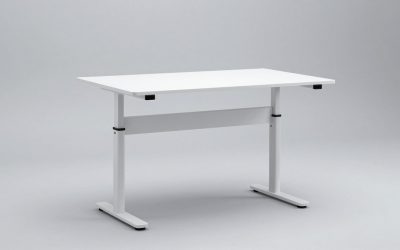
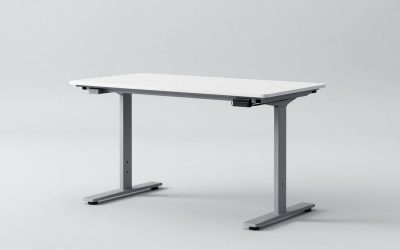
Steelcase AMQ Sit-to-Stand Desk, Adjustable, White Base & Light Oak Top
Chosen because it specifies Adjustable and White Base & Light Oak Top.
View on Amazon
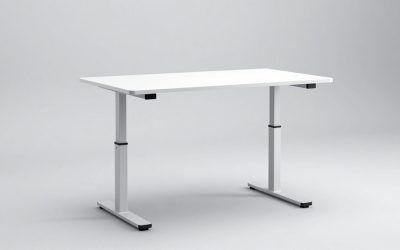
ErGear 48 X 24 Inch Height Adjustable Electric Standing Desk, Black | Stand Up office Desk, Home Office Computer Desk with 4 Memory Presets, Stable Steel Frame, 176 lbs Capacity, Easy Assembly
Chosen because it specifies Black.
View on Amazon
Veken 63"x28" Wider Large Standing Desk, Electric Height Adjustable, Brown | Modern Workstation Computer Desk, Sit to Stand Up, Conference Room Tables for Home Office, Writing, Gaming Study
Chosen because it specifies Electric Height Adjustable and Brown.
View on Amazon
Huuger 47 X 24 Inch Electric Standing Desk with Power Outlets and USB-C Port, Height Adjustable Desk, Sit Stand Desk for Home Office, Computer & Gaming Desk with 3 Presets, Stable Steel Frame, Black
Chosen because it specifies Height Adjustable Desk and Sit Stand Desk for Home Office.
View on Amazon| Desk Type | Standard Height | Why It Differs |
|---|---|---|
| Writing/office desk | 29-30 in (74-76 cm) | Matches average elbow height while seated |
| Computer desk | 25-27 in (63-69 cm) | Keyboard tray sits lower to keep wrists flat |
| Standing desk (fixed) | 40-42 in (102-107 cm) | Set for elbow height while standing |
| Adjustable standing desk | 22-48 in (56-122 cm) | Covers both sitting and standing use |
| Kids’ desk | 20-24 in (51-61 cm) | Scaled to child seat height, ages 4-10 |
| Drafting/craft table | 36-40 in (91-102 cm) | Built for standing or tall-stool work |
That gap between a 30-inch writing desk and a 26-inch computer desk isn’t a rounding difference. It’s the reason people who inherit an old writing desk for computer use end up with sore shoulders. Typing surfaces need to sit 4 to 6 inches lower than writing surfaces because keyboard work keeps your hands in a fixed low position for hours, while writing lets your wrist float and adjust. If your desk doubles as both, a negative-tilt keyboard tray closes that gap without buying a second desk.
Matching Desk Height to Your Own Height
The 28-30 inch standard assumes a seated elbow height that’s average for adult height. Here’s how that breaks down by person:
| Your Height | Ideal Desk Height | Ideal Chair Seat Height |
|---|---|---|
| 5’0″-5’3″ (152-160 cm) | 26-27 in (66-69 cm) | 15-16 in (38-41 cm) |
| 5’4″-5’7″ (163-170 cm) | 27-28 in (69-71 cm) | 16-17 in (41-43 cm) |
| 5’8″-5’11” (173-180 cm) | 28-29 in (71-74 cm) | 17-18 in (43-46 cm) |
| 6’0″-6’3″ (183-191 cm) | 29-31 in (74-79 cm) | 18-19 in (46-48 cm) |
| 6’4″+ (193+ cm) | 31-33 in (79-84 cm) | 19-21 in (48-53 cm) |
The ergonomic height for a desk isn’t really about the desk number alone, it’s the relationship between desk height, chair height, and where your elbows land. The standard test: sit down, relax your shoulders, and let your arms hang naturally. Your elbows should bend at roughly 90 to 110 degrees with forearms level or angled slightly down toward the keyboard. If your elbows are higher than your wrists, the desk is too tall for you. If they’re lower, it’s too short.
What Counts as a “Good” or “Best” Desk Height for a Computer
For pure computer use, the best height for a computer desk is usually lower than people expect, around 25 to 27 inches for the keyboard surface itself, even though the desk’s outer edge might measure taller if it has a raised monitor shelf. Monitor height matters just as much: the top of the screen should sit at or slightly below eye level, about 20-28 inches from your eyes, so you’re not tilting your neck up or down. A desk that’s technically the right height but paired with a laptop propped on a stack of books will still cause neck strain, since the screen ends up too low.
Fixing a Desk That’s Too Tall
A desk that runs an inch or two above your ideal height is far more common than one that’s too short, since most manufacturers build to the 6-foot-male average. Three fixes, in order of cost and permanence:
1. Raise your chair first
If your chair has a gas-lift cylinder, raising the seat is the fastest fix and costs nothing. Aim to get your forearms level with the desktop. The tradeoff: if you raise the seat more than about 2 inches above its natural setting, your feet may no longer reach the floor flat, which creates a new problem.
2. Add a footrest
Once your feet no longer sit flat after raising the chair, a footrest closes that gap. A standard footrest adds 3-5 inches of support and should let your knees sit level with or slightly below your hips. This combination (raised chair plus footrest) solves most “desk is too tall” complaints for under $30-$50 and requires no tools or modification to furniture.
3. Trim the desk legs
For a desk that’s 2+ inches too tall and can’t be offset by chair and footrest alone, cutting down the legs is the permanent fix. This works on solid wood or metal-leg desks with straight, non-tapered legs. Measure and mark all four legs identically, cut with a fine-tooth saw or miter saw, and sand the new base flat so the desk doesn’t wobble. Removing more than 2 inches from a leg that’s part of a leaning support structure (like an A-frame or trestle base) can affect stability, so check the desk’s construction before cutting. This isn’t reversible, so it’s worth living with a temporary footrest setup for a week first to confirm the target height actually feels right.
Fixing a Desk That’s Too Short
Too-short desks are less common but harder to fix without new furniture. Options include:
- Bed risers or furniture risers under each leg, adding 1-3 inches. Check the desk’s total loaded weight against the riser’s weight rating, typically 1,000-1,500 lbs per set, before trusting it with a monitor setup.
- A lower chair setup paired with a wrist-neutral keyboard tray, if raising the desk isn’t practical.
- Replacing the desk, which is usually the better call if you’re more than 3 inches off, since risers on a short desk with a shallow base can introduce tipping risk.
Quick Decision Guide
| Situation | Best Move |
|---|---|
| Desk is 1-2 in too tall, chair is adjustable | Raise chair + add footrest |
| Desk is 2+ in too tall, fixed-height chair | Trim legs or replace desk |
| Desk doubles as writing + computer surface | Add a negative-tilt keyboard tray |
| You’re under 5’4″ or over 6’3″ | Prioritize an adjustable-height desk over a fixed standard |
| Desk is too short and shallow-based | Replace rather than riser it |
There’s no universal “correct” number, only a correct relationship between your height, your chair, and the desk in front of you. The 28-30 inch standard is a reasonable starting point, but the fit test with your own elbows and wrists will tell you more than any spec sheet.