Our Top Picks
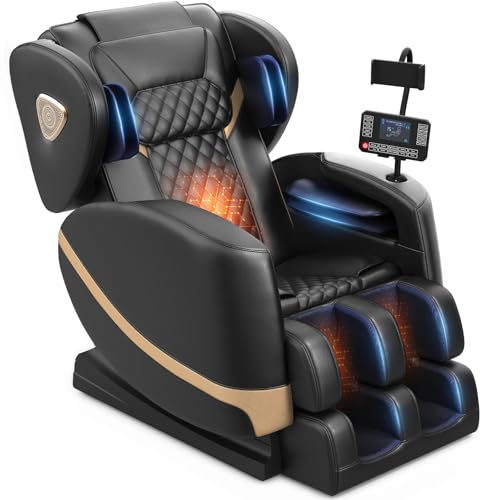 FURNIMAT Massage Chair Full Body Zero Gravity Recliner50 x 27 x 41.8 Inches125 PoundsCheck on Amazon

“Tebo chair” can mean two different purchases. Tebo is the brand behind many of the coin- and card-operated massage chairs you see in shopping malls, airports, and gyms — mainly across Australia and New Zealand — and the company also sells chairs for home and commercial use. So the honest answer to “what does a Tebo chair cost” is: a few dollars per session if you’re paying at the mall, or roughly a few thousand dollars if you want to own one. Here’s how both numbers break down, and when each is worth paying.
What it costs to use one
Pay-per-use Tebo chairs typically charge a few dollars for a timed session — think roughly $2–$5 depending on the venue and session length, usually payable by card or phone now rather than coins. That feels trivial per visit, which is exactly the point of the business model.
Do the math before you assume buying is smarter. A $4 session once a week is about $210 a year. Two $5 sessions a week is around $520 a year. If a home chair costs $3,000, you’re looking at six or more years of weekly mall visits to break even — and the mall chair needs no floor space, no maintenance, and no repair bills. The per-use option is genuinely fine for occasional users. The catch is convenience: you only get a massage when you’re already at the venue, and plenty of people who love the mall chair discover they wouldn’t actually sit in one at home every day either.
What it costs to buy one
Tebo sells chairs for residential use, and they sit in the mid-range tier of the massage chair market — expect ballpark pricing in the low-to-mid thousands of dollars depending on the model and market, rather than the $800 end or the $10,000 end. Exact pricing moves around, so treat any single figure you see quoted online with caution and confirm current numbers directly.
What pushes the price up or down across any brand in this tier:
– Roller mechanism: basic 2D rollers on a fixed track versus 3D/4D rollers that adjust depth and speed. This is the biggest quality difference you’ll actually feel.
– Track length: an S-track follows the spine; an L- or SL-track continues under the seat to reach glutes and hamstrings.
– Airbags, heat zones, and zero-gravity recline: more of each costs more.
– Build for commercial duty: vending units are over-engineered to survive strangers all day, which is partly why commercial chairs cost more and are usually arranged through the operator rather than bought retail.
How it compares to other ways to spend the money
| Option | Typical cost | Best for | Main trade-off |
|---|---|---|---|
| Mall Tebo sessions | $2–$5 per visit | Occasional users | Not on demand; adds up over years |
| Mid-range chair (Tebo or equivalent) | ~$2,000–$5,000 | Daily users who want durability | Large upfront cost |
| Budget massage chair | $600–$1,500 | Casual use on a tight budget | Shallower rollers, shorter tracks, upholstery wears first |
| Premium chair (Inada, Luraco class) | $6,000–$12,000+ | Best roller quality, longest warranties | Steeply diminishing returns |
| Massage seat cushion | $60–$200 | Testing whether you’ll use massage at all | Vibration and basic shiatsu nodes only |
A few honest observations. Budget chairs — the kind you find browsing full-body massage chairs in the under-$1,500 range — are fine for light, casual use. Their weak points are predictable: rollers that feel shallower, synthetic upholstery that starts flaking within a couple of years, and thinner warranty support. If you want zero-gravity massage chairs with an L-track in that bracket, expect compromise somewhere — usually roller quality.
The jump from $1,500 to $3,000 buys a real improvement in roller depth, track coverage, and build. The jump from $3,000 to $8,000 buys refinement most people stop noticing after a month. And if you’re not sure you’d use a chair regularly, a shiatsu massage cushion on a decent recliner is a cheap way to find out — it’s the honest recommendation for the undecided.
Costs people forget
– Delivery and placement: these chairs weigh 150–250 lbs. Measure doorways (most need 30+ inches, often more before assembly) and check whether delivery is curbside or in-home.
– Upholstery: the single most common failure on mid-range chairs is synthetic leather peeling, not motors. Realistically expect cosmetic wear before mechanical failure.
– Repairs: after upholstery, the usual suspects are air pumps, remote controllers, and footrest mechanisms. Check whether the warranty covers labor and on-site service or expects you to ship a 200-lb chair back.
– Electricity: minor — roughly 100–200 watts while running, so a few dollars a month even with daily use.
– Warranty scope: home warranties typically don’t cover commercial use, so a chair bought for a staff break room may have no coverage at all.
Who should spend what
Buy mid-range if you’ve used a mall chair consistently for months and want it at home — you’ll get the durability Tebo-style chairs are built for. Buy budget if you want occasional relaxation and accept a shorter lifespan. Stick with per-session if you use it once a month. And a caution worth stating plainly: massage chairs are comfort products, not medical treatment. Evidence for lasting pain relief is limited, so if you’re dealing with chronic pain, an injury, or you’re pregnant, have a pacemaker, a clotting disorder, or osteoporosis, talk to a doctor or physical therapist first — and don’t buy a chair expecting it to fix a condition.
FAQ
Is it cheaper to buy a chair or keep paying per session?
At $4–$5 per session, weekly use runs $200–$500 a year. A $3,000 chair only beats that math if you use it several times a week and keep it for years. Occasional users come out ahead paying per visit.
How long does a mid-range massage chair last?
Mechanically, often 7–10 years with regular use. Cosmetically, less — synthetic upholstery commonly peels within 3–5 years. A chair that allows reupholstering or has better fabric holds its value longer.
Do massage chairs use much electricity?
No. Most draw 100–200 watts during a session — comparable to a couple of light bulbs. Standby draw is minimal. Power cost is not a real factor in the decision.
Can I put a Tebo-style vending chair in my business?
Yes, but the economics differ. Commercial units cost more because of payment hardware and heavier-duty parts, and they’re often placed through revenue-sharing arrangements with the operator rather than sold outright. Contact the operator directly for terms before comparing retail prices.