
Key takeaways
- Maximum Weight Recommendation: 600 Pounds
- Warranty Type: Push up board
- Assembly Instructions Description: No assembly required
Walk into enough home gyms and you start noticing a pattern: the gear that gets used has fingerprint smudges, chipped paint, and a permanent spot on the floor. The gear that doesn’t is stacked in a closet behind winter coats, still smelling faintly of factory plastic. Secondhand listings tell the same story — vibration plates and ab rollers with “used twice” in the description, while a beat-up 35-pound kettlebell somehow never hits the market at all. Longevity in home fitness has less to do with build quality than with friction: how many seconds pass between deciding to train and actually loading the first rep.
This roundup leans on that filter. Every category below shares three traits — it survives being stepped over daily, it covers more than one movement pattern, and it doesn’t require a warm-up ritual of untangling, inflating, or pairing to Bluetooth. Prices reflect typical retail ranges and shift with sales, so treat them as ballpark figures rather than quotes. Where a category has real drawbacks, they’re stated plainly; nothing here works for everyone, and pretending otherwise wastes your money.
Our top picks
 MQRW Push Up Board
- Maximum Weight Recommendation: 600 Pounds
- Warranty Type: Push up board
- Assembly Instructions Description: No assembly required
Combines push-up board, bands, and ab roller in one kit
Color-coded zones target different muscle groups
No assembly is required out of the box
Twenty small accessories require some storage space
Foldable board adds setup steps versus fixed equipment
 HOXWC Ankle Resistance Bands with Cuffs
- Tension Supported: 10LB, 20LB, 30LB
- Number of Resistance Levels: 3
- Material Type: Neoprene
| Product | Key specs | |
|---|---|---|
| MQRW Push Up Board | Maximum Weight Recommendation: 600 Pounds Warranty Type: Push up board Assembly Instructions Description: No assembly required | Check price |
| HOXWC Ankle Resistance Bands with Cuffs | Tension Supported: 10LB, 20LB, 30LB Number of Resistance Levels: 3 Material Type: Neoprene | Check price |
 WIKDAY Resistance Bands for Working Out Exercise WIKDAY Resistance Bands for Working Out Exercise | Check price | |
 MERACH Ab Machine MERACH Ab Machine | Check price | |
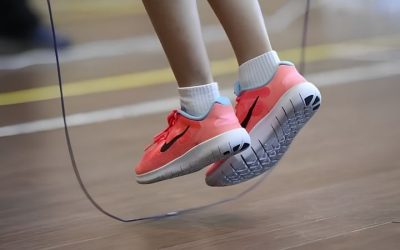
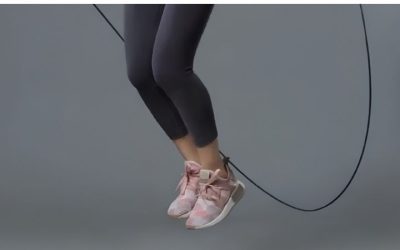
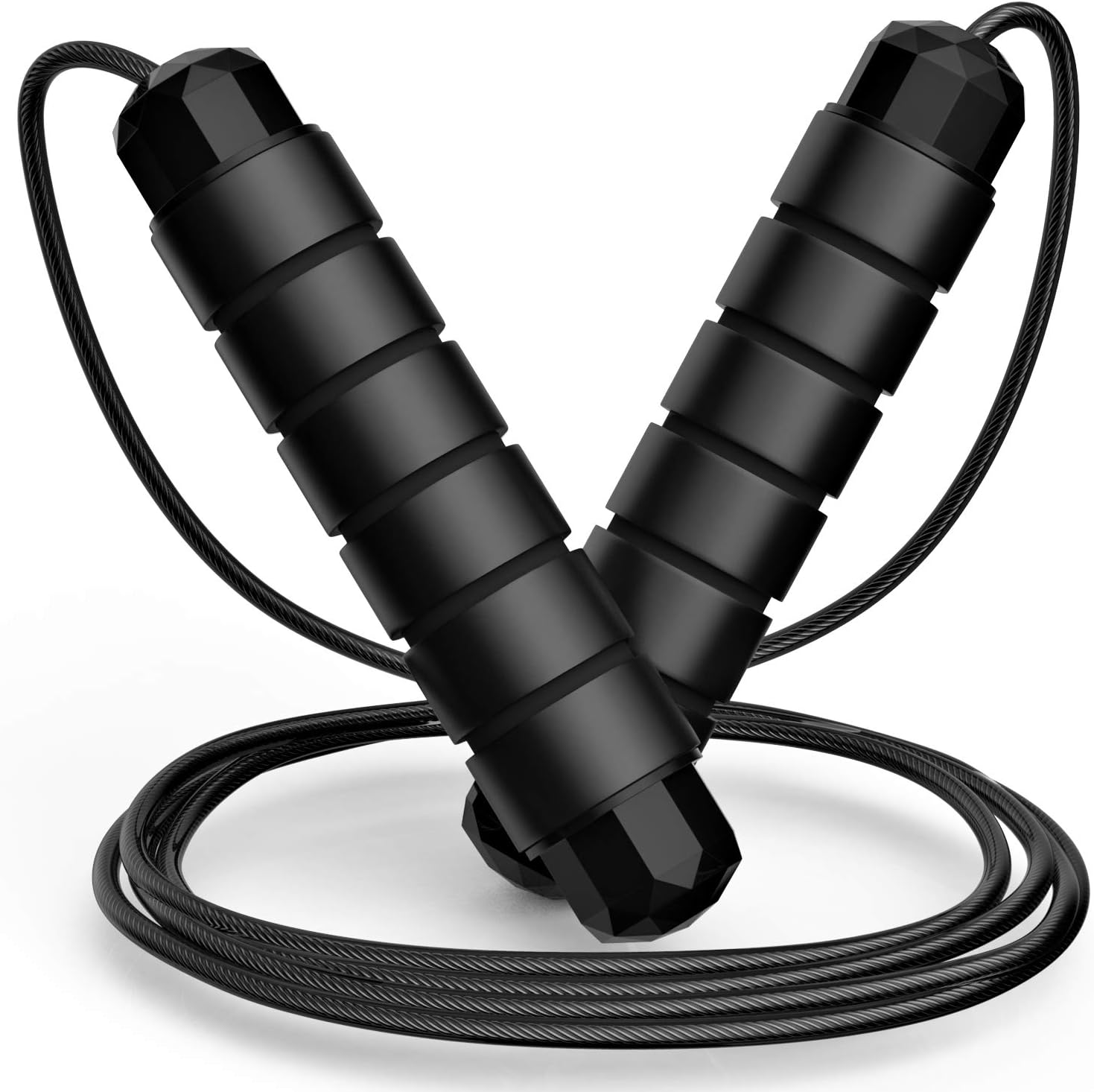 Jump Rope Jump Rope | Target Audience: Adult Recommended Uses For Product: Endurance, Exercise and Fitness, Speed Item Length: 280 Centimeters | Check price |
 Ayombo Pilates Bar Kit with Resistance Bands Ayombo Pilates Bar Kit with Resistance Bands | Recommended Uses For Product: At Home Pilates Workout Tension Supported: Heavy Number of Resistance Levels: 2 | Check price |
 Pedal Resistance Band with Handle Pedal Resistance Band with Handle | Check price | |
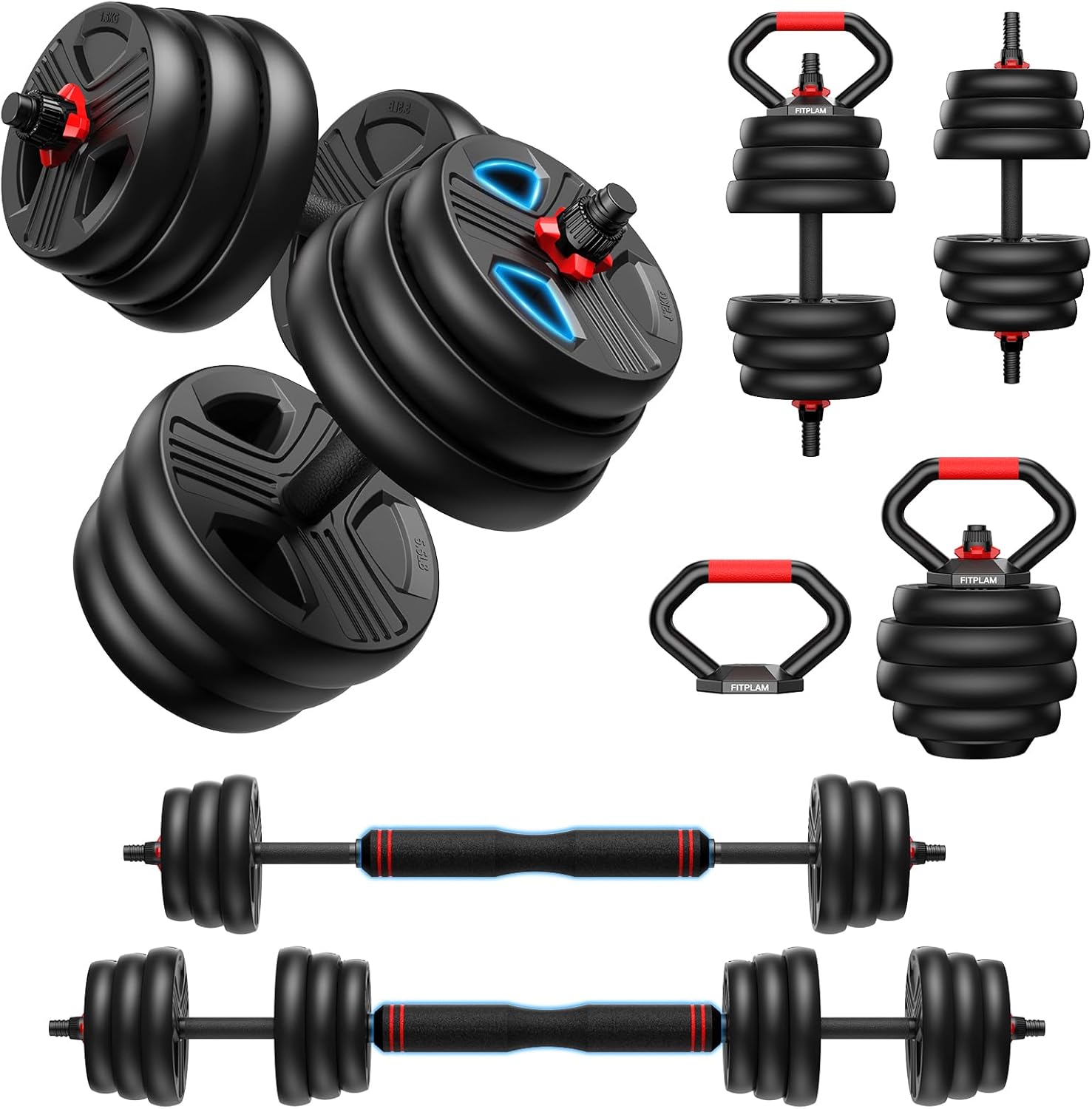 FITPLAM Adjustable dumbbell set FITPLAM Adjustable dumbbell set | Material: Alloy Steel, Iron, Polyethylene (PE) | Check price |
As an Amazon Associate we earn from qualifying purchases at no extra cost to you.
Quick Comparison
| Equipment | Best For | Space Needed | Typical Price | Why It Lasts |
|---|---|---|---|---|
| Adjustable Dumbbell Pair | Full-body strength progression | 2 sq ft | $300–$700 | Replaces 15 fixed pairs; scales for years |
| Cast Iron Kettlebell | Swings, carries, conditioning | Under 1 sq ft | $50–$120 | Essentially indestructible, zero moving parts |
| Folding Adjustable Bench | Pressing, rows, step-ups | 4 sq ft (folded: 1) | $150–$400 | Unlocks half of all dumbbell exercises |
| Fabric Loop Band Set | Glutes, hips, rehab, travel | A drawer | $20–$45 | Cheap to replace, always within reach |
| Magnetic Rowing Machine | Low-impact cardio | 8 sq ft (upright storage) | $400–$1,200 | Quiet, joint-friendly, whole-body |
| Wall-Mounted Pull-Up Bar | Upper-body pulling | Wall space only | $60–$150 | Bolted in, so it’s never “put away” |
| Interlocking Rubber Tiles | Floor protection, noise control | Your training area | $2–$5 per sq ft | Defines the space and keeps neighbors calm |
How to Choose
- Count the steps to your first rep. If setup takes longer than 30 seconds, your adherence drops sharply on tired evenings. Gear that lives out in the open beats better gear hidden in a closet.
- Buy for the strength you’ll have in two years. A dumbbell set capping at 25 pounds per hand feels generous in month one and useless by month eight. Headroom matters more than the starting weight.
- Check the ceiling, the floor, and the neighbors. Measure your overhead clearance while standing on a bench or platform, confirm your floor can absorb dropped iron, and account for anyone living below you before buying anything that thuds.
- Prefer fewer items that overlap. One bench and one adjustable pair cover pressing, rowing, hinging, and lunging. Seven single-purpose gadgets cover seven exercises and consume an entire wall.
- Confirm parts and warranty terms are real. Selector dumbbells and cardio machines have failure points — pins, dials, magnets, consoles. A brand that sells replacement components is worth more than a brand that markets aggressively.
Top Picks Reviewed
Adjustable Dumbbell Pair
The single highest-leverage purchase for most people. A dial or pin-select pair spanning roughly 5 to 50 pounds per hand covers presses, rows, curls, goblet squats, split squats, and Romanian deadlifts without occupying a rack. Owners who stick with them tend to buy the pair with the widest range they can afford, since re-buying later costs more than upgrading at the start. Two honest caveats: changing weight takes a few seconds longer than grabbing fixed dumbbells, which makes true drop sets awkward, and the mechanisms don’t enjoy being dropped from lockout. Set them down like they cost several hundred dollars, because they did.
Cast Iron Kettlebell
Nothing in home fitness has a better durability-to-cost ratio. A single well-sized bell — many adults land between 26 and 44 pounds — handles swings, cleans, presses, goblet squats, and loaded carries, and it will outlive the house. Look for a smooth, wide handle with no casting seam, since seams shred your palms during high-rep swings. The learning curve on the swing is the real cost here; ten minutes of video study on hip hinge mechanics prevents months of lower-back complaints. Powder-coated finishes grip chalk well and resist rust in humid basements.
Folding Adjustable Bench
The unglamorous piece that doubles the value of everything else. Incline pressing, flat pressing, supported rows, hip thrusts, step-ups, and decline core work all require a stable surface, and a wobbly bench quietly discourages heavy sets. Prioritize a wide pad, a high weight rating, and a ladder-style adjustment that locks without rattling. Folding models tuck vertically into a closet gap, though people who leave the bench assembled use it noticeably more often.
Fabric Loop Band Set
These survive because they’re always accessible — a set lives in a drawer, a suitcase, or the glovebox. Fabric loops outlast thin latex versions, which roll up the thigh, snap unpredictably, and pinch. Their real value is warm-up and accessory work: hip abduction, banded walks, shoulder external rotation, and glute activation before heavier lifting. They won’t build serious strength on their own, and resistance labels are inconsistent between brands, so judge by feel rather than the printed color code.
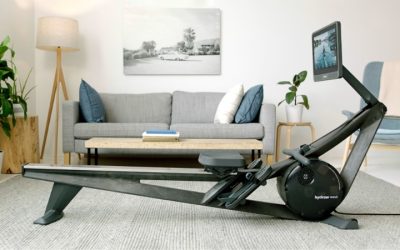
Magnetic Rowing Machine
For anyone with cranky knees or a downstairs neighbor, rowing solves the cardio problem better than a treadmill. Magnetic resistance runs quietly, the stroke recruits legs, back, and arms together, and most models stand upright between sessions. Verify the rail length fits your inseam and that the seat rolls smoothly under load. The consoles on budget units are usually the weak link — they’re fine for stroke rate and time, but pair a chest strap if you care about accurate heart rate. Air rowers feel more responsive and cost you in noise.
Wall-Mounted Pull-Up Bar
Doorway models sag, shift, and mark trim; a bolted mount into studs or masonry feels immovable, which is exactly why people keep using it. Pull-ups, chin-ups, hanging leg raises, and dead hangs cover the pulling patterns dumbbells handle poorly. Add a long resistance band for assisted reps if you can’t yet complete a set of five. Check clearance so your head clears the ceiling and your knees clear the wall at the bottom of each rep.
Interlocking Rubber Tiles
Flooring rarely makes gift guides and almost always makes long-term setups. Half-inch or thicker rubber tiles protect subfloor, deaden the sound of a dropped bell, and give the space a visual boundary that signals “this is where I train.” Cheap foam puzzle mats compress permanently under bench legs and tear at the seams. Air out new rubber for a few days if the smell bothers you.
Frequently Asked Questions
What should I buy first with a limited budget?
One kettlebell and a band set, total cost often under $120, will keep a beginner progressing for several months. Add the adjustable dumbbells and bench once you’ve proven you’ll actually train three times a week. Buying the full setup before establishing the habit is how equipment ends up on resale sites.
Are adjustable dumbbells worth the premium over fixed ones?
In a shared or small space, yes — a single pair replaces a rack that would cost more and consume ten times the footprint. If you have a dedicated garage and can find used fixed dumbbells cheaply, fixed iron is more durable and faster to switch between. It’s a space-versus-simplicity tradeoff, not a quality question.
How much room does a functional home gym really need?
About 6 by 8 feet handles dumbbells, a bench, and floor work comfortably, provided you have roughly 8 feet of overhead clearance for pressing and pull-ups. Lie down and extend your arms in the space before committing; the diagonal reach of a lunge or a rowing stroke surprises people.
Do I need a cardio machine if I already lift?
Not strictly — carries, kettlebell circuits, jump rope, and brisk walking outdoors cover conditioning at zero equipment cost. A rower earns its place when weather, safety, or joint pain regularly blocks outdoor training, or when you simply prefer the option of sitting down and pulling for twenty quiet minutes.
Final Thoughts
The equipment people still use years later is boring by design: heavy things, a sturdy surface, something to hang from, and a floor that tolerates all of it. Start with two or three overlapping pieces, keep them visible, and expand only when a specific exercise you actually want to do is blocked by a missing tool. That approach costs less than a single impulse purchase of the machine everyone regrets, and it produces the version of a home gym that earns its square footage — the one with worn grips and a permanent dent in the floor mat.
Write Your Review
No reviews yet. Be the first to share your experience!