Key takeaways
- Film vs. penetrating: Film finishes like polycrylic sit on top and shrug off moisture, but scratches show as white lines and spot repairs are visible. Penetrating oils cure inside the fibers, wear gradually rather than failing, and let you refresh a single worn patch without stripping the whole top.
- Tactile temperature: Run your hand across a cured sample. Thick film builds feel cool and slightly plastic; oiled wood reads warmer and reveals grain texture. On a surface your elbows rest against for hours, this matters more than most product copy admits.
- Cure schedule vs. household reality: Full chemical cure often takes 7 to 30 days even when the surface is dry to touch. If the table is your only eating space, choose a product with a fast functional cure and plan a low-use window rather than rushing a slow one.
- Food-contact and off-gassing: Look for finishes with clear food-safe cured status and low VOC content, especially in a room with poor ventilation or where a child eats with hands directly on the surface.
- Seams, leaves, and end grain: Extendable tables have butterfly leaves and joint lines that wick liquid. Whatever you choose, apply an extra coat to end grain and leaf edges, and check whether the finish will bond to factory-sealed veneer before committing.
What's inside
A dining table absorbs more abuse than any other surface in the house. Hot casserole dishes land on it, condensation pools under water glasses, kids drag forks across it, and someone inevitably spills red wine and forgets to mention it. The finish is the only thing standing between all of that and bare wood, yet most buyers pick one based on how the sample chip looked in the store rather than how the surface will feel under a forearm after two hours of conversation, or how it will hold up after four years of daily wiping.
This guide approaches finishes the way I evaluate any high-contact surface: tactile comfort, repairability, and cure hardness under realistic loads. I’ve grouped the options by what they actually ask of you, because a hardwax oil that refreshes in twenty minutes and a film-forming topcoat that resists moisture for a decade are solving different problems. There’s also a look at two tables worth finishing well, since extendable tops introduce seams and leaf edges that punish the wrong product.
As an Amazon Associate we earn from qualifying purchases.




🛒 Best Price Today on Amazon
Prime members get fast, free shipping on everything above, plus member-only deals. New members get a 30-day free trial — cancel anytime.
How to Choose a/an Wood Finish For Dining Room Table (2026)
- Film vs. penetrating: Film finishes like polycrylic sit on top and shrug off moisture, but scratches show as white lines and spot repairs are visible. Penetrating oils cure inside the fibers, wear gradually rather than failing, and let you refresh a single worn patch without stripping the whole top.
- Tactile temperature: Run your hand across a cured sample. Thick film builds feel cool and slightly plastic; oiled wood reads warmer and reveals grain texture. On a surface your elbows rest against for hours, this matters more than most product copy admits.
- Cure schedule vs. household reality: Full chemical cure often takes 7 to 30 days even when the surface is dry to touch. If the table is your only eating space, choose a product with a fast functional cure and plan a low-use window rather than rushing a slow one.
- Food-contact and off-gassing: Look for finishes with clear food-safe cured status and low VOC content, especially in a room with poor ventilation or where a child eats with hands directly on the surface.
- Seams, leaves, and end grain: Extendable tables have butterfly leaves and joint lines that wick liquid. Whatever you choose, apply an extra coat to end grain and leaf edges, and check whether the finish will bond to factory-sealed veneer before committing.
The Best Wood Finish For Dining Room Table (2026)s Reviewed
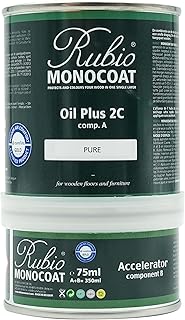
Rubio Monocoat Oil Plus 2C
The two-component system chemically bonds to bare wood in a single coat, which means no build, no witness lines, and genuinely excellent repairability — you can blend a worn corner in an afternoon. It demands thorough sanding and complete removal of excess within fifteen minutes, so it rewards preparation over improvisation.
Tried & True Superior Varnish Oil
Pine resin and polymerized linseed oil with no metallic driers or solvents, which makes it one of the few finishes I’d apply in an occupied dining room without ventilating the house. Build it in thin coats over several days; rushed applications stay tacky, but the cured result is warm underfoot of a wine glass and forgiving to touch up.
Minwax Polycrylic Satin
Still the pragmatic choice when moisture resistance outranks feel. The water-based formula dries fast, stays clear over pale woods where oil-based polys amber, and three to four thin coats give a hard, wipeable film — just accept that deep scratches will require sanding the panel rather than spot blending.
PIPIHUA Beeswax Polish and Conditioner
Treat this as maintenance rather than a primary finish. On an already-sealed or oiled top it restores sheen, reduces micro-scratch visibility, and adds a light moisture barrier, but wax alone won’t survive a household that eats three meals a day at the table.
STHOUYN 63-79″ Extendable Dining Table
A solid candidate if you’re buying and finishing in one project: the walnut-toned natural wood surface takes penetrating oil well, and the extension mechanism leaves accessible edges for proper sealing. Check leaf alignment on arrival before you commit finish to the surface.
Frequently Asked Questions
Can I apply oil finish over an existing polyurethane top?
No. Penetrating oils need open wood fiber to cure into. You’d have to sand the film off entirely, back to bare wood, or the oil will simply sit on the surface and never harden.
How long before I can eat on a newly finished table?
Dry-to-touch is not cured. Plan on 72 hours minimum for light use with placemats and one to four weeks before heavy contact, depending on the product. Warmth and airflow shorten it; humidity extends it.
Will any of these stop water rings?
Film finishes resist them best. Oiled tops can develop faint marks from prolonged standing moisture, though those usually buff out with a wax refresh — an advantage over polyurethane, where a ring means the film itself failed.
Is a veneered table like the Ashley Ralene safe to refinish?
Cautiously. Veneer is thin, so hand-sand lightly with 220 grit and never use an aggressive orbital. A wipe-on oil or thin water-based topcoat is far safer here than anything requiring heavy abrasion.
Final Thoughts
For most dining rooms I’d start with Rubio Monocoat Oil Plus 2C — the single-coat cure, natural hand feel, and honest repairability suit a surface that gets used rather than protected. If you want a solvent-free application in a lived-in space, Tried & True Superior Varnish Oil is the better fit, and Minwax Polycrylic remains the sensible pick when a young household needs maximum moisture resistance and easy wipe-downs above all else.