Key takeaways
- Grip system over stretch alone: On leather, elastic tension does not stop migration by itself. Look for a silicone or rubberized underside, non-slip strips, or foam grip rods you can wedge into the seat-to-back gap. Covers relying only on spandex recovery will creep.
- Match the cushion count exactly: Individual cushion slipcovers preserve the original seat crown and gap lines, which keeps your seated posture unchanged. A one-piece cover bridges the gaps and creates a hammock effect that shifts load to the frame rails. Count your seat cushions before you buy anything.
- Abrasion resistance where it counts: Front seat edges and armrest tops take the most rubbing. Faux-leather PU handles wipe-downs well but can crack at repeated flex points; plush and spandex knits resist creasing but pill faster. Neither is universally better, so choose based on whether your household spills or sheds.
- Seam and elastic quality: Check for double-stitched or overlocked seams at the corners and a fully encased elastic hem rather than a stitched-on band. Encased elastic distributes tension along the whole perimeter instead of concentrating it at anchor points, which is what makes covers survive twenty-plus wash cycles.
- Thermal comfort: Leather is already non-breathable. Adding a waterproof PU layer on top compounds heat retention, which matters if you sit for long stretches. Knit or plush options trade some spill protection for far better airflow.
What's inside
Leather does two things that fabric never does: it gets slicker as it ages, and it telegraphs every failure. A slipcover that would sit politely on a woven sofa slides half an inch every time someone shifts their weight, and by the end of the week the seat panels have bunched into a ridge right where your thighs need support. That ridge is not just cosmetic. It changes the crown of the cushion, tips your pelvis forward, and pushes the load onto the front edge of the frame. Meanwhile the cover itself is quietly abrading against a surface with almost no grip to hold it still, which is why cheap seams on leather-bound covers fail at the corners first.
This guide looks at slipcovers through two lenses I care about most: how the cover holds its geometry under a seated body, and how many wash-and-wear cycles it survives before the elastic gives up. I’ve grouped the picks by construction type, since matching the format to your sofa’s cushion layout matters more than thread count or color. Below you’ll find the shortlist, then a buying framework, then individual notes on fit behavior, grip, and expected service life.
As an Amazon Associate we earn from qualifying purchases.



🛒 Best Price Today on Amazon
Prime members get fast, free shipping on everything above, plus member-only deals. New members get a 30-day free trial — cancel anytime.
How to Choose a Slipcover For Leather Sofa (2026)
- Grip system over stretch alone: On leather, elastic tension does not stop migration by itself. Look for a silicone or rubberized underside, non-slip strips, or foam grip rods you can wedge into the seat-to-back gap. Covers relying only on spandex recovery will creep.
- Match the cushion count exactly: Individual cushion slipcovers preserve the original seat crown and gap lines, which keeps your seated posture unchanged. A one-piece cover bridges the gaps and creates a hammock effect that shifts load to the frame rails. Count your seat cushions before you buy anything.
- Abrasion resistance where it counts: Front seat edges and armrest tops take the most rubbing. Faux-leather PU handles wipe-downs well but can crack at repeated flex points; plush and spandex knits resist creasing but pill faster. Neither is universally better, so choose based on whether your household spills or sheds.
- Seam and elastic quality: Check for double-stitched or overlocked seams at the corners and a fully encased elastic hem rather than a stitched-on band. Encased elastic distributes tension along the whole perimeter instead of concentrating it at anchor points, which is what makes covers survive twenty-plus wash cycles.
- Thermal comfort: Leather is already non-breathable. Adding a waterproof PU layer on top compounds heat retention, which matters if you sit for long stretches. Knit or plush options trade some spill protection for far better airflow.
The Best Slipcover For Leather Sofa (2026)s Reviewed
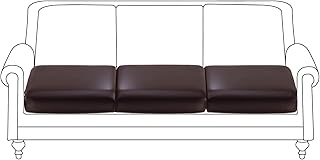
Yates Home PU Leather Cushion Slipcover, 3-Piece
The three-piece format is the right call for durability: each panel carries its own elastic load, so a failure in one doesn’t cascade across the whole cover. The waterproof PU face wipes clean instantly and holds cushion geometry well, though expect the same heat build-up you get from bare leather.
Non-Slip Plush Couch Cover for 2-Cushion Sofas
Built specifically for the slip problem, this one leans on a textured backing rather than raw stretch, which is why it stays put on glossy hides where thinner covers wander. The plush pile absorbs claw contact and hides pet hair reasonably well, and it launders without losing loft if you keep it out of high heat.
ANARACHON Leather Look Recliner Cover, 8-Piece
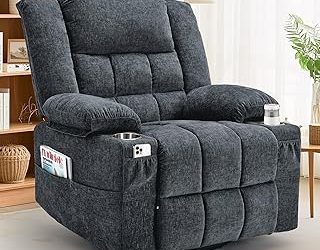
Recliners are the hardest case because the panels articulate independently, and the eight-piece breakdown is what makes this work: footrest, back, and seat all move without dragging on each other. Fitting takes patience the first time, but once the grip rods are seated it tolerates daily reclining cycles without re-tucking.
ANARACHON Leather Look Cushion Covers, Stretch Spandex
A good middle path if you want the leather aesthetic with knit breathability. The spandex recovers its shape after each sit rather than holding a crease, which keeps the seat crown intact over months, though the softer face is less spill-resistant than a coated PU option.
Fuloon Faux Leather Waterproof Cushion Slipcover, 3-Pack
The strongest choice for genuinely wet environments, with a waterproof membrane that stops liquid before it reaches the hide underneath. Individual panels mean you can replace or wash one section at a time, which meaningfully extends the useful life of the set.
Frequently Asked Questions
Will a slipcover damage my leather sofa underneath?
Not if you clean the leather first and keep it dry. Trapped grit acts as an abrasive between the cover and the hide, so vacuum the crevices before fitting and pull the cover off every few months to let the leather breathe.
Why does my slipcover keep sliding off?
Almost always a grip issue rather than a sizing issue. Add foam grip rods into the seat-back seam, or choose a cover with a silicone-dotted underside. Sizing up rarely helps and usually makes the creep worse.
One-piece or individual cushion covers?
Individual covers for any sofa with separate seat cushions, since they preserve the original support profile. One-piece designs suit tight-back or single-bench sofas and are easier to fit, but they bridge cushion gaps and change how the seat feels.
How long should a slipcover last?
With weekly use and monthly washing, expect eighteen months to three years. Elastic recovery is the usual limiting factor, not fabric wear, so wash cold and skip the dryer to stretch that timeline.
Final Thoughts
For most leather sofas, the Yates Home three-piece PU slipcover gives the best balance of clean-up speed and panel-by-panel durability, while the non-slip plush cover is the one to reach for if migration has been your main frustration. Recliner owners should go straight to the ANARACHON eight-piece, since nothing else on this list handles articulating panels without constant readjustment.