Key takeaways
- Armrest height and width: This is the single most overlooked spec. Arms that sit too low force you to shrug or stack pillows; too high and your elbows flare outward. Look for padded arms roughly 6–8 inches above the compressed seat cushion, and wide enough that a forearm rests flat rather than balancing on an edge.
- Seat depth versus your leg length: A 21-inch deep seat swallows a 5’2″ frame, leaving no thigh support and pulling the lower back away from the lumbar zone. Shorter parents should favor compact models or plan on a lumbar cushion; taller parents need depth or they will perch.
- Glide hardware, not glide feel: Sealed ball-bearing or roller mechanisms stay quiet far longer than bushing-and-pin designs, which develop play as the nylon wears. Ask whether the swivel plate is steel and whether the base is a solid platform rather than four splayed legs, which loosen with repeated rocking.
- Foam density and frame material: High-resilience foam around 1.8 lb/ft³ resists the permanent dish that low-density foam forms within a year of nightly use. Kiln-dried hardwood or welded steel frames outlast engineered-wood-only construction, particularly at the recline pivot where load concentrates.
- Certifications and fabric wear: GREENGUARD Gold means low chemical emissions, which matters in a room with poor ventilation and a small occupant. For upholstery, chenille and boucle hide lint but pill under abrasion; tight-weave polyester blends clean up better after the inevitable spit-up.
What's inside
Feeding a newborn at 3 a.m. is a posture problem before it is anything else. You are holding eight to ten pounds of dead weight at chest height, one shoulder rolled forward, neck flexed, for twenty to forty minutes at a stretch, several times a night, for months. A chair that feels fine in a five-minute showroom test can leave you with a hot ache between the shoulder blades by week three, and a glide mechanism that sounded silky on day one can develop a metallic tick that wakes the baby it was meant to soothe.
This guide looks at nursery glider recliners the way a furniture engineer would: seat pan geometry, lumbar contact, armrest height relative to a feeding position, and the hardware doing the actual work underneath the upholstery. I have flagged which models suit petite frames versus taller parents, which ones are built to survive being repurposed as a reading chair in a teenager’s room a decade from now, and where the compromises sit on each.
As an Amazon Associate we earn from qualifying purchases.


🛒 Best Price Today on Amazon
Prime members get fast, free shipping on everything above, plus member-only deals. New members get a 30-day free trial — cancel anytime.
How to Choose a Nursery Glider Recliner (2026)
- Armrest height and width: This is the single most overlooked spec. Arms that sit too low force you to shrug or stack pillows; too high and your elbows flare outward. Look for padded arms roughly 6–8 inches above the compressed seat cushion, and wide enough that a forearm rests flat rather than balancing on an edge.
- Seat depth versus your leg length: A 21-inch deep seat swallows a 5’2″ frame, leaving no thigh support and pulling the lower back away from the lumbar zone. Shorter parents should favor compact models or plan on a lumbar cushion; taller parents need depth or they will perch.
- Glide hardware, not glide feel: Sealed ball-bearing or roller mechanisms stay quiet far longer than bushing-and-pin designs, which develop play as the nylon wears. Ask whether the swivel plate is steel and whether the base is a solid platform rather than four splayed legs, which loosen with repeated rocking.
- Foam density and frame material: High-resilience foam around 1.8 lb/ft³ resists the permanent dish that low-density foam forms within a year of nightly use. Kiln-dried hardwood or welded steel frames outlast engineered-wood-only construction, particularly at the recline pivot where load concentrates.
- Certifications and fabric wear: GREENGUARD Gold means low chemical emissions, which matters in a room with poor ventilation and a small occupant. For upholstery, chenille and boucle hide lint but pill under abrasion; tight-weave polyester blends clean up better after the inevitable spit-up.
The Best Nursery Glider Recliners Reviewed (2026)
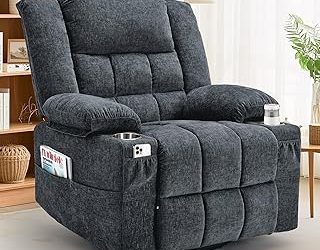
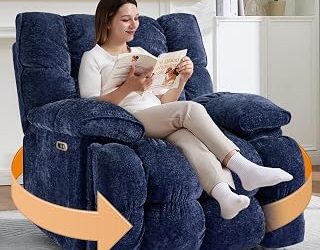
Korser 360° Swivel Rocker Recliner with Massage and Heating
The heat and vibration functions sound gimmicky until you have spent three weeks with a strained trapezius, and the lumbar heat element sits at a genuinely useful height. Generous seat depth and a wide armrest span make this a better fit for taller parents than for petite ones.
Carter’s by DaVinci Arlo Recliner
The most conservative engineering here, and that is a compliment: a smooth, quiet glide, GREENGUARD Gold and FSC certification, and proportions that read as a living-room chair rather than baby gear. Recline travel is modest, so treat it as a supportive upright chair that leans back, not a nap chair.
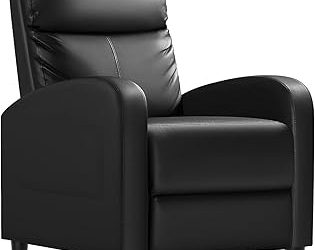
Power Recliner Chair Swivel Glider with USB
Power recline is the ergonomic upgrade most people underestimate, because it lets you adjust position mid-feed without bracing against a manual lever while holding an infant. The included lumbar pillow is functional rather than decorative, and the USB port earns its place at 3 a.m.
Evolur Raleigh Upholstered Manual Glider Recliner
Evolur’s glide travel is longer and more damped than most in this price band, which produces that slow pendulum motion babies actually settle to. Clean-lined enough to survive the transition out of the nursery, with the same GREENGUARD Gold and FSC credentials.
YuuYee Nursery Glider Recliner Chair
An oversized seat that suits larger frames or anyone who plans to co-nap in the chair, with enough width to tuck a nursing pillow beside you. Velvet upholstery looks excellent but needs a lint brush and a stain-treatment plan.
Frequently Asked Questions
Is a glider actually better than a standard rocker?
For nursery use, yes. Gliders travel on a fixed horizontal arc, so there are no rocker runners to pinch toes, tails, or fingers, and the motion is smoother at low effort. Rockers have a small edge in tight footprints.
Should I get power or manual recline?
Manual is fine if you recline before picking up the baby. If you expect to adjust while holding a sleeping infant, power recline is worth the premium and the proximity to an outlet.
How much room does a glider recliner need?
Budget 18–24 inches of clearance behind the chair for full recline, plus a few inches on each side for swivel. Wall-hugging designs reduce the rear requirement but rarely eliminate it.
Will it still be usable after the nursery phase?
The models with hardwood or steel frames, high-resilience foam, and sealed bearings typically hold up for a decade of normal use. Low-density foam is the first thing to fail, and it is the hardest to ignore.
Final Thoughts
For most buyers, the Carter’s by DaVinci Arlo and the Evolur Raleigh offer the best balance of quiet mechanics, certified materials, and furniture that outlives the nursery. If overnight comfort is the priority and you have an outlet nearby, the Power Recliner Swivel Glider with USB is the ergonomic pick, and the compact Korser chenille recliner remains the smartest option for small rooms and shorter frames.