Key takeaways
- Abrasion resistance: Dining seats need roughly 15,000 double rubs (Wyzenbeek) or better for family use. Vinyl and heavyweight faux leather clear this easily; lighter decorative linens often don’t, so reserve them for guest or occasional chairs.
- Weight and thickness: Look for substantial hand-feel or a stated thickness near 1mm and above. Thin fabric telegraphs every ridge in old foam and tears at staple perforations when you pull tension across a corner.
- Stretch and drape behavior: Slight give helps you wrap a domed seat without puckers. Zero-stretch material demands relief cuts and patience; four-way stretch vinyl forgives sloppy corners but can distort a printed grain if overpulled.
- Skin contact and thermal comfort: Woven linen-look fabrics breathe and stay neutral in temperature, which matters for two-hour dinners. Vinyl seals in heat, so pair it with a breathable foam and expect a warmer surface in summer.
- Cleanability versus the room’s reality: Households with young children, red wine, or oily foods should weight wipe-clean surfaces heavily. Everyone else can trade some stain resistance for the softer, quieter feel of a textile.
What's inside
Dining chairs live a harder life than most upholstered furniture. A sofa cushion gets sat on; a dining seat gets slid across a floor, gripped by hands, scuffed by belt buckles and shoe heels, wiped down after dinner, and loaded and unloaded dozens of times a week at the same two or three contact points. That concentrated, repetitive stress is why so many DIY reupholstery jobs look excellent for four months and tired by month ten. The fabric wasn’t wrong, exactly. It was chosen for color instead of for abrasion resistance, stretch behavior, and how it handles a stapled edge.
This guide looks at reupholstery material through two lenses that matter more than pattern: durability under cyclic load, and ergonomics, meaning how the surface feels against skin during a long meal and how it lets a seat cushion breathe and recover. Below are six materials worth considering for 2026, followed by the specifications I check before buying, honest notes on where each fabric performs, and answers to the questions that come up mid-project when the staple gun is already out.
As an Amazon Associate we earn from qualifying purchases.



🛒 Best Price Today on Amazon
Prime members get fast, free shipping on everything above, plus member-only deals. New members get a 30-day free trial — cancel anytime.
How to Choose a/an Material To Reupholster Dining Room Chairs (2026)
- Abrasion resistance: Dining seats need roughly 15,000 double rubs (Wyzenbeek) or better for family use. Vinyl and heavyweight faux leather clear this easily; lighter decorative linens often don’t, so reserve them for guest or occasional chairs.
- Weight and thickness: Look for substantial hand-feel or a stated thickness near 1mm and above. Thin fabric telegraphs every ridge in old foam and tears at staple perforations when you pull tension across a corner.
- Stretch and drape behavior: Slight give helps you wrap a domed seat without puckers. Zero-stretch material demands relief cuts and patience; four-way stretch vinyl forgives sloppy corners but can distort a printed grain if overpulled.
- Skin contact and thermal comfort: Woven linen-look fabrics breathe and stay neutral in temperature, which matters for two-hour dinners. Vinyl seals in heat, so pair it with a breathable foam and expect a warmer surface in summer.
- Cleanability versus the room’s reality: Households with young children, red wine, or oily foods should weight wipe-clean surfaces heavily. Everyone else can trade some stain resistance for the softer, quieter feel of a textile.
The Best Material To Reupholster Dining Room Chairs (2026)s Reviewed
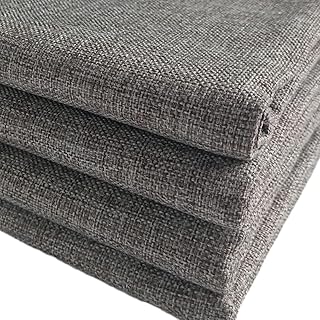
TinaKim Thick Chair Upholstery Fabric, Faux Linen (2 Yards)
This is the balanced choice: enough body to hold tension over a curved seat pan without collapsing into the foam, plus the breathable, matte surface of real linen at a fraction of the fuss. Two yards covers four standard drop-in seats with sensible margins, and the flaxen tone hides crumbs and light wear better than pale solids.
Wento Thick Faux Leather Fabric, Soft Skin Grain PU (2 Yards, Beige)
The soft grain finish reads as leather without the plasticky stiffness that makes cheap PU crack at fold lines, and it wipes down in seconds. Note that PU has a finite service life at high-flex points, so keep your staple spacing tight and avoid stretching the grain flat around front corners.
Marine Vinyl Faux Leather Sheets, Waterproof (54 x 72 in, Grey)
Marine-grade vinyl is engineered for UV, moisture, and constant contact, which makes it a serious overachiever on a dining chair. It is the material I recommend for sunroom or breakfast-nook seating where spills and daylight are both guaranteed.
Marine Vinyl Upholstery Fabric, 5 Yard Roll (Off White)
Buying a five-yard roll is the smart move for a six- or eight-chair set: one dye lot, no seam-matching headaches, and spare material for the inevitable re-do on your first chair. Off white brightens a dark dining room, though it will show transferred denim dye, so plan on periodic cleaning.
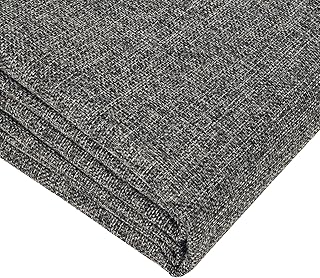
Heavy Linen Fabric, 80 x 57 in, 1.2mm (Dark Grey)
At 1.2mm this is genuinely structural cloth rather than craft fabric, and the dark grey is forgiving of everyday marks. The natural fiber breathes well against skin, but treat it with a fabric protector before installation since untreated linen absorbs liquids quickly.
Frequently Asked Questions
How much fabric do I need per chair?
Budget half a yard per standard drop-in seat, or three-quarters of a yard for a seat with a waterfall front or an attached back panel. Add 3 to 4 inches of wrap on every side so you have something to grip while stretching.
Is vinyl or woven fabric better for a dining room?
Vinyl wins on cleanability and abrasion life; woven fabric wins on comfort, acoustics, and warmth in appearance. Households with small children usually prefer vinyl, while formal dining rooms tend to favor a heavy linen or faux linen.
Should I replace the foam at the same time?
Yes, if the existing foam has lost more than about 20 percent of its original height or feels crumbly. New fabric over compressed foam concentrates pressure on the sitting bones and will fail early at the front edge.
Do I need to remove the old fabric first?
Strip it if the layer is thick, stained, or has broken staples, since bulk at the corners prevents crisp wraps. A single thin, intact layer can stay in place as a padding buffer.
Final Thoughts
For most dining rooms, the TinaKim faux linen delivers the best combination of comfort, workability, and everyday durability, while the Wento soft grain PU is the pick when wipe-clean performance matters more than breathability. If you’re doing a full set of six or more chairs, the five-yard marine vinyl roll saves money and guarantees consistent color across every seat.