Key takeaways
- Fiber resilience: Wool naturally springs back after compression, while synthetic fibers typically offer strong stain resistance and easier routine care. Choose based on whether longevity or convenience matters most.
- Pile height: Low-pile and flatwoven rugs create less resistance when dining chairs move. Avoid thick shag or deeply cushioned styles beneath tables unless the chairs stay stationary.
- Cleanability: Washable polyester and similar synthetics are practical for households with children, pets, or frequent spills. Wool can be durable, but it generally requires more careful spot treatment.
- Backing and grip: A stable rug reduces sliding and bunching, which helps prevent trips and keeps chair legs from catching an edge. Use a compatible rug pad when the rug itself lacks dependable grip.
- Size and clearance: The rug should extend beyond the table far enough for all chair legs to remain supported when chairs are pulled out. Measure the table and its active seating zone, not just the tabletop.
What's inside
Choosing a dining room rug is less about finding the softest pattern and more about matching the material to daily friction, spills, chair movement, and cleaning habits. A rug that looks beautiful in a photo can become a nuisance if its pile catches chair legs, its backing shifts underfoot, or its fibers retain every dropped crumb.
This guide evaluates dining-friendly options through an ergonomics-and-durability lens: chair clearance, rolling resistance, underfoot stability, cleanability, fiber resilience, and visual wear. The selections range from washable low-pile synthetics to wool and woven constructions, so you can prioritize comfort, longevity, or low-maintenance performance without relying on style alone. As an Amazon Associate, we may earn from qualifying purchases.
As an Amazon Associate we earn from qualifying purchases.


🛒 Best Price Today on Amazon
Prime members get fast, free shipping on everything above, plus member-only deals. New members get a 30-day free trial — cancel anytime.
How to Choose a/an Dining Room Rug Material (2026)
- Fiber resilience: Wool naturally springs back after compression, while synthetic fibers typically offer strong stain resistance and easier routine care. Choose based on whether longevity or convenience matters most.
- Pile height: Low-pile and flatwoven rugs create less resistance when dining chairs move. Avoid thick shag or deeply cushioned styles beneath tables unless the chairs stay stationary.
- Cleanability: Washable polyester and similar synthetics are practical for households with children, pets, or frequent spills. Wool can be durable, but it generally requires more careful spot treatment.
- Backing and grip: A stable rug reduces sliding and bunching, which helps prevent trips and keeps chair legs from catching an edge. Use a compatible rug pad when the rug itself lacks dependable grip.
- Size and clearance: The rug should extend beyond the table far enough for all chair legs to remain supported when chairs are pulled out. Measure the table and its active seating zone, not just the tabletop.
The Best Dining Room Rug Material (2026)s Reviewed
Loloi Magnolia Home Gigi Ivory/Stone Area Rug
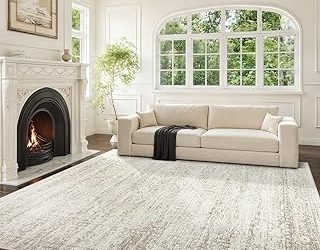
The Gigi’s muted ivory-and-stone palette is a sensible choice for dining rooms that need visual lightness without a stark solid surface. Its relatively restrained profile should make chair movement easier than with a high-pile design, while the patterned finish can disguise minor crumbs and everyday traffic better than a plain light rug.
Loloi Magnolia Home Pace Forrest/Natural Area Rug
The Pace combines a grounded green-and-natural color scheme with a vintage-inspired appearance that is forgiving around dining furniture. Its darker elements may conceal small marks between cleanings, and the flatter, practical profile is better suited to repeated chair movement than a lofty pile.
Hand-Tufted Basketweave Wool Area Rug
This wool option brings useful natural resilience and a tactile basketweave surface to the dining area. Wool is comfortable underfoot and can recover from moderate compression, but the hand-tufted construction deserves thoughtful care: keep chair legs from snagging the texture, vacuum gently, and address spills promptly.
Loloi Magnolia Home Junie Blue/Natural Area Rug
The Junie offers a sophisticated blue-and-natural combination that adds pattern without overwhelming a dining set. It is a strong fit for rooms where appearance and everyday practicality need to coexist, although a properly sized pad remains important for limiting movement and edge curl.
8×10 Washable Beige Low-Pile Area Rug
For households that put maintenance first, this beige washable low-pile rug is the most task-oriented choice in the group. Its low height should reduce chair drag and make vacuuming simpler, while the washable construction and stain-resistant positioning are useful safeguards against food and drink accidents.
Frequently Asked Questions
What is the best rug material under a dining table?
For the easiest upkeep, a washable synthetic such as polyester is often the most practical. Wool is a strong choice when you want natural resilience and a premium feel, provided you are comfortable with more careful cleaning.
Is a high-pile rug suitable for a dining room?
Usually not. High pile increases rolling resistance, makes chairs harder to pull out evenly, and can allow chair legs to catch or wobble. Low-pile, flatwoven, and tightly textured rugs are generally more ergonomic.
How large should a dining room rug be?
Allow the rug to extend beyond the table on every side far enough that pulled-out chairs remain on the rug. In many dining rooms, this means adding roughly 24 to 36 inches beyond the tabletop dimensions, then confirming that surrounding walkways still have adequate clearance.
Do I need a rug pad under a dining room rug?
In most cases, yes. A thin, firm pad can improve grip, reduce bunching, protect flooring, and slightly soften impact without creating a cushion that interferes with chair movement. Avoid overly thick pads beneath low-profile dining rugs.
Final Thoughts
The 8×10 Washable Beige Low-Pile Area Rug is the most convenient pick for spill-prone homes, while the Hand-Tufted Basketweave Wool Area Rug is better for natural fiber performance and texture. For a balanced blend of appearance, forgiving pattern, and dining-room practicality, the Loloi Magnolia Home Pace Forrest/Natural Area Rug is a particularly versatile choice.