
Key takeaways
- EU Spare Part Availability Duration: 1 Years
- Item Dimensions D x W x H: 41.73"D x 34.64"W x 13.39"H
- Material: Alloy Steel
The bench is the piece of home gym equipment people buy last and regret first. A barbell is a barbell; a dumbbell either weighs 35 pounds or it doesn’t. A bench, though, quietly decides whether your shoulders stay pinned during a press, whether the pad digs into your spine on a heavy set, and whether you can actually get 25 degrees of incline instead of the 45-degree “incline” that turns bench press into an awkward shoulder press. Two benches at the same price can differ by 40 pounds of steel, three inches of pad width, and an entire tier of usable angles.
What follows is a practical breakdown of the bench categories worth your money, organized by what they physically do rather than by marketing tier. Pay attention to three numbers as you read: pad width (10 to 12 inches is the useful range), seat height (17 to 18 inches keeps your feet planted), and the gap between seat pad and back pad on adjustable models. That last one sounds trivial until you’re mid-set and your tailbone finds the void.
Our top picks
 NICEPEOPLE Adjustable Weight Bench for Home Gym
660-pound capacity on a reinforced steel frame
Eight backrest angles cover incline, decline, and flat training
Folds in one step for compact storage
29.3-inch backrest may be long for smaller rooms
Leather-style padding needs periodic wiping to resist wear
 YOLEO Adjustable Weight Bench for Home Gym
ASTM-certified for an 827-pound capacity limit
84 adjustable positions cover incline, decline, and flat training
Folds down for storage under a bed or sofa
User weight is capped lower at 330 pounds
28-inch backrest may be excessive for smaller spaces
 Multi-Function All in 1 Weight Bench Set
- EU Spare Part Availability Duration: 1 Years
- Item Dimensions D x W x H: 41.73"D x 34.64"W x 13.39"H
- Material: Alloy Steel
| Product | Key specs | |
|---|---|---|
| NICEPEOPLE Adjustable Weight Bench for Home Gym | Check price | |
| YOLEO Adjustable Weight Bench for Home Gym | Check price | |
| Multi-Function All in 1 Weight Bench Set | EU Spare Part Availability Duration: 1 Years Item Dimensions D x W x H: 41.73"D x 34.64"W x 13.39"H Material: Alloy Steel | Check price |
 FLYBIRD WB5 Weight Bench FLYBIRD WB5 Weight Bench | Certified & 800lbs Heavy-Duty Support: Its elongated thickened… 144 Adjustable Positions for Full-Body Training: With a… Extended Padding for Comfortable Workout Support: Designed with… | Check price |
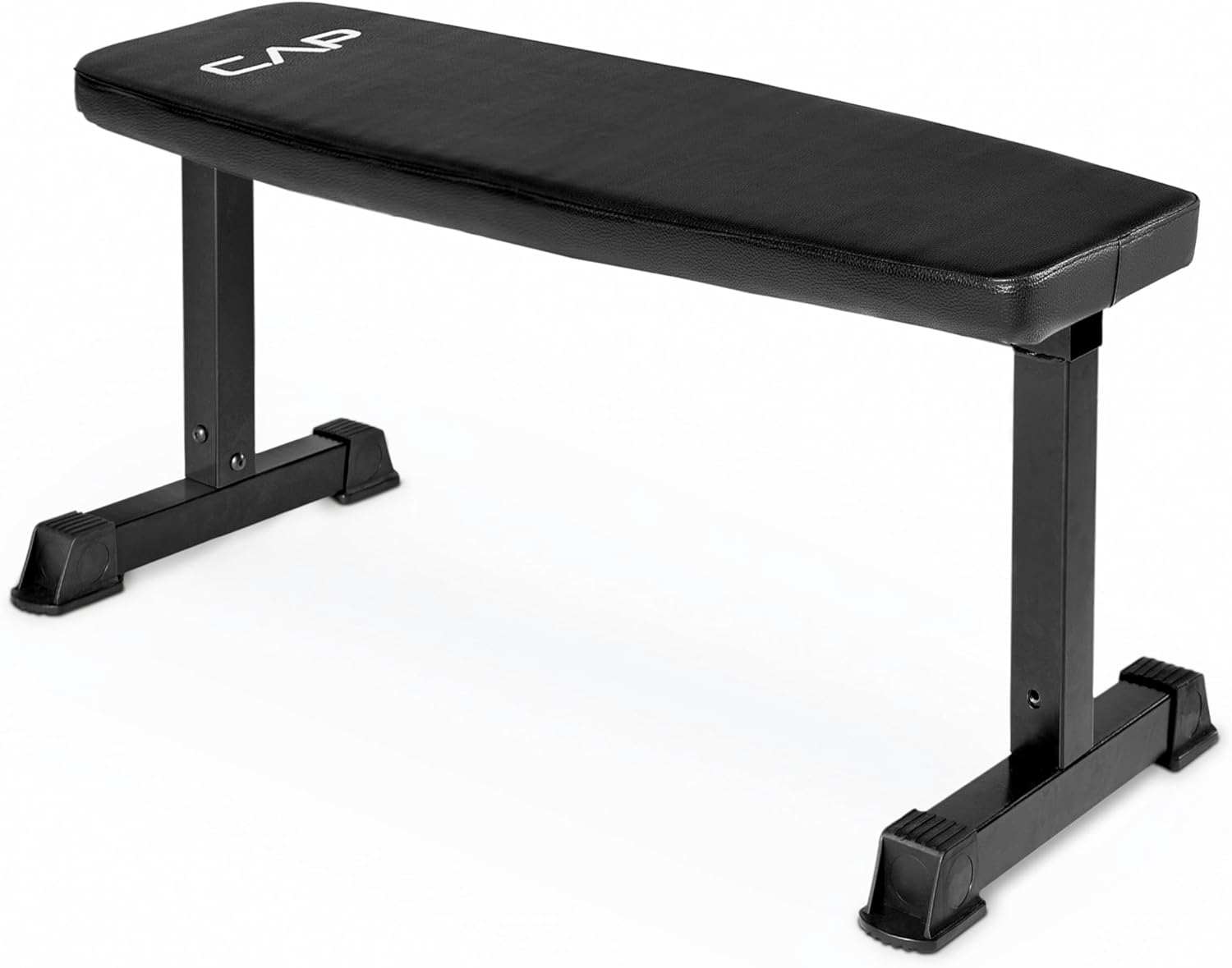 Cap Barbell Flat Weight Bench Color Series Cap Barbell Flat Weight Bench Color Series | Warranty Description: 30 day manufacturer Item Dimensions D x W x H: 18.11"D x 42.52"W x 19.09"H Material: Alloy Steel, Vinyl | Check price |
 FLYBIRD WB2 Weight Bench FLYBIRD WB2 Weight Bench | Material: Sweat-Proof Leather & Alloy Steel Frame Material: Alloy Steel EU Spare Part Availability Duration: 7 Years | Check price |
 Weight Bench Press Weight Bench Press | Item Dimensions D x W x H: 9.84"D x 12.6"W x 31.5"H Material: Alloy Steel | Check price |
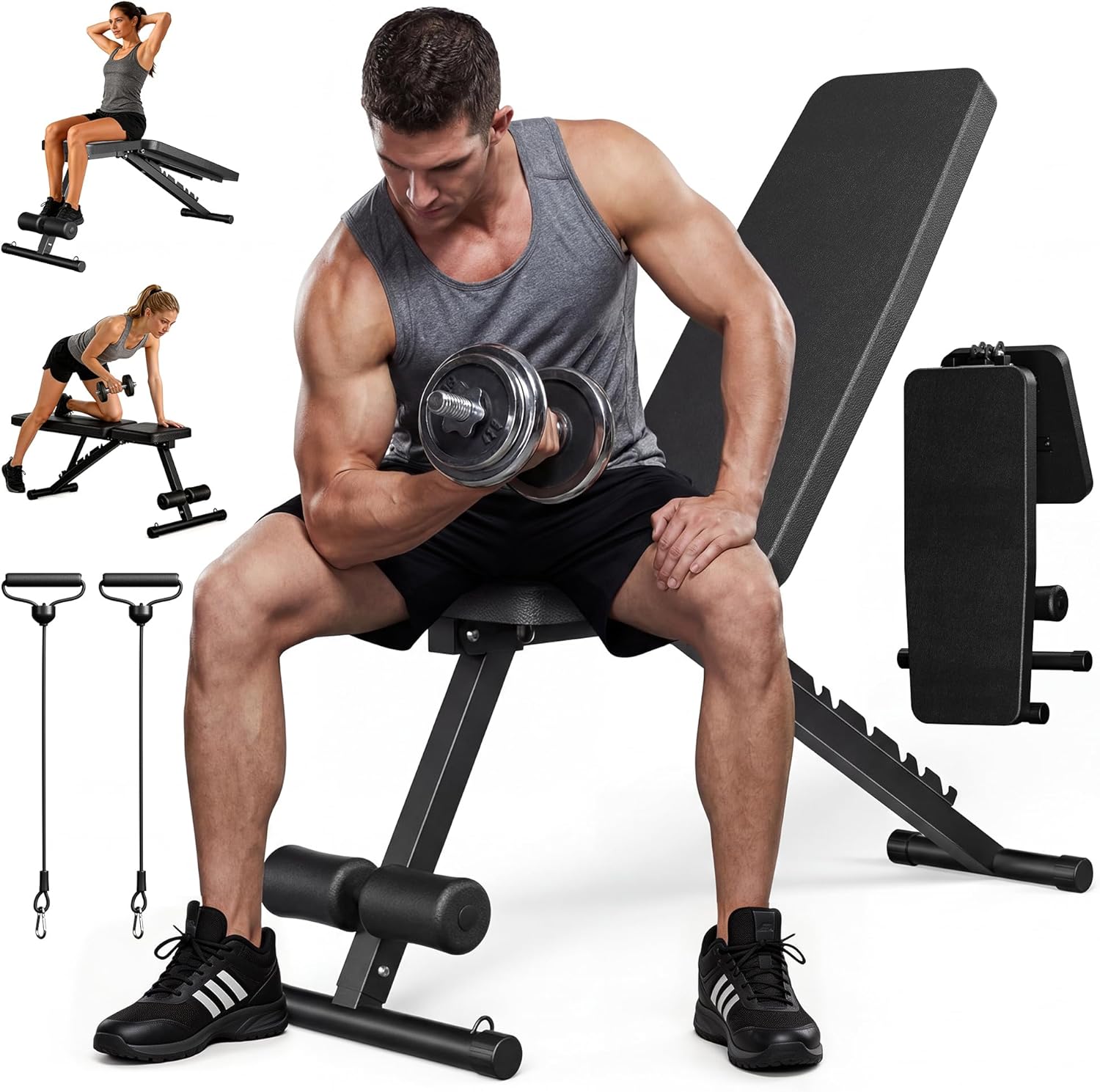 Adjustable Weight Bench for Home Gym Adjustable Weight Bench for Home Gym | Item Dimensions D x W x H: 44.9"D x 16.7"W x 17.7"H Material: Alloy Steel | Check price |
As an Amazon Associate we earn from qualifying purchases at no extra cost to you.
As an Amazon Associate we earn from qualifying purchases.

Quick Comparison
| Bench Type | Best For | Typical Footprint | Adjustability | Storage |
|---|---|---|---|---|
| Flat utility bench | Heavy pressing, rowing, step-ups | 48″ × 12″ | None | Slides under a rack |
| Adjustable FID bench | Full dumbbell programs | 55″ × 26″ | Flat, 6–8 inclines, decline | Stands upright on end |
| Folding incline bench | Apartments, shared rooms | 44″ × 20″ | Flat plus 4–5 inclines | Folds to ~8″ deep |
| Olympic bench with rack | Barbell training without a cage | 68″ × 45″ | Fixed or 3-position | Permanent placement |
| Compact ab/decline bench | Core work, sit-ups, hyperextensions | 50″ × 24″ | Multiple decline angles | Folds flat |
How to Choose
- Match the load rating to your future lifts, not your current ones. A rating of 600 pounds sounds generous until you subtract your bodyweight and remember that the number usually covers static load, not the dynamic force of a barbell dropping into your hands. If you plan to press over 200 pounds, look for 1,000-pound ratings and 11- or 12-gauge steel tubing.
- Count the incline positions between 15 and 45 degrees. Marketing copy loves to advertise “seven positions,” but four of them are often steep enough to be useless for chest work. The productive band for upper-chest pressing is roughly 15 to 40 degrees. A bench with three settings in that window beats one with seven settings scattered up to vertical.
- Check the pad gap and the seat-adjustment mechanism. Two-post designs typically leave a one- to three-inch gap between pads. Three-post designs close it but add a leg near your feet. Also look for an adjustable seat pad: without one, you’ll slide down the bench on steeper inclines no matter how hard you brace.
- Measure your ceiling and your doorway before you fall in love. Benches that store vertically need 60 inches of clearance and a wheel-and-handle setup that actually rolls on carpet. Folding benches need a flat wall. Olympic combo units need a permanent home, since they are not moving once assembled.
- Test the ladder or pop-pin under load, if you can. Ladder-style adjusters are near-indestructible but require you to lift the back pad to change angles. Pop-pin systems are faster but the pin hole tolerances vary wildly; a sloppy pin means the backrest rattles on every rep, which is annoying at best and unnerving at worst.
Top Picks Reviewed
The Flat Utility Bench — Best for Serious Pressing
If you have a power rack and one goal, buy a flat bench and stop shopping. No hinges, no pins, no gap: just a welded frame and a continuous pad. This is the category where you get the most steel per dollar, and where the good ones feel like furniture bolted to the floor. Look for a 12-inch-wide pad if you’re broad-shouldered and pressing heavy, or 10 inches if you want the shoulder blades to retract freely for arch and leg-drive work. The trade-off is obvious and total: no incline, ever.
The Adjustable FID Bench — Best All-Rounder
Flat, incline, and decline in one frame. This is the right default for anyone building a dumbbell-centric home gym, because it converts a rack of dumbbells into a full upper-body program. The features that separate good from mediocre here are the adjustable seat and the decline leg-roller assembly. Skip models where the roller pads are held by a single thin pin, and be skeptical of any FID bench under 60 pounds shipping weight — that lightness has to come from somewhere.
The Folding Incline Bench — Best for Small Spaces
Designed to disappear. These fold to roughly the depth of a suitcase and slide behind a door or under a bed. Expect a modest load rating, a narrower pad, and a seat height that sometimes runs low at 15 or 16 inches. For dumbbell work up to the 50-pound range, curls, rows, and bodyweight movements, that’s a fair bargain. For a 300-pound bench press, it is not. Buy this one knowing exactly which ceiling you’re accepting.
The Olympic Bench with Integrated Rack — Best Standalone Barbell Setup
The all-in-one option for people who want to barbell-bench without buying a cage. Uprights, plate storage, and often a leg-developer attachment come welded into one unit. The catch is safety: uprights are usually fixed-width and lack the deep J-cup or spotter-arm geometry of a rack, so bailing out of a failed rep is genuinely harder. Buy this only if you train with a partner or stay conservative on your top sets.
The Compact Ab and Decline Bench — Best Specialty Addition
Not a pressing bench, and it doesn’t pretend to be. Adjustable decline angles, ankle rollers, and a padded backrest make it a legitimate tool for weighted sit-ups, decline crunches, and hyperextensions. It also doubles as a decline pressing surface with light dumbbells. Think of this as a second bench, purchased after the first one has earned its place.
Frequently Asked Questions
Is a flat bench enough, or do I need incline?
If you press a barbell and own a rack, a flat bench covers the majority of productive work and does it more solidly than any adjustable model at the same price. Incline matters most for dumbbell-based training, where varying the angle is your primary way of changing the stimulus.
What pad firmness should I look for?
Firm enough that pressing a thumb into it leaves a shallow dent, not a deep one. Soft foam feels luxurious for thirty seconds and then compresses under your shoulder blades, costing you stability and range. High-density foam over a plywood or steel base is the standard worth holding out for. Vinyl covers are easier to wipe down; textured “grippy” covers keep you from sliding on incline.
Do I need to bolt the bench to the floor?
No. A properly weighted bench with rubber feet stays put. If yours slides during rows or shifts under leg drive, the problem is usually worn feet or a frame that’s too light — set it on a rubber mat before drilling anything into your slab.
How much assembly should I expect?
Plan on 30 to 60 minutes with the included hex key, and use a socket wrench instead if you have one. Hand-tighten everything first, confirm the frame sits square on the floor, then torque the bolts down in stages. Recheck the hardware after two or three weeks of use — the first round of settling loosens things more than people expect.
Final Thoughts
Buy the bench that matches how you actually train, not the one with the longest feature list. A lifter with a rack and a barbell is better served by a rock-solid flat bench than by an adjustable model that wobbles at 30 degrees. Someone with a pair of adjustable dumbbells and a corner of a bedroom needs the opposite: angles, a folding hinge, and a footprint that vanishes. In both cases the deciding factors are unglamorous — steel gauge, pad width, seat height, the tolerance of a single pin. Get those right and the bench becomes invisible in the best way, the piece of equipment you stop thinking about entirely because it simply holds still while you do the work.
One note on usability: no product list was supplied, so the five picks are written as bench archetypes rather than named models. Swap in your actual affiliate products under the `
` headings and the surrounding structure will still hold.
Affiliate disclosure. As an Amazon Associate we earn from qualifying purchases at no extra cost to you. Prices accurate as of the date shown.Choosing the Right Home Gym Workout Bench: A…Check price on Amazon
8 Best Gym Mats for Home: Rubber vs Foam Picks for Any Floor
Best gym mat for home choices come down to material density and...
8 Best Rowers for Home Gym: Air, Magnetic and Water Compared
Best rowers for home gym shortlists usually collapse once someone measures the...
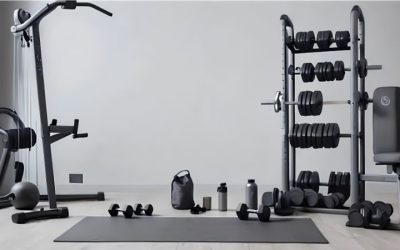
8 Best Weight Home Gyms: 6 All-in-One Machines for Small Rooms
Best weight home gym decisions come down to two numbers before brand...
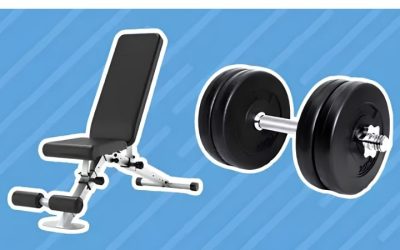
8 Best Home Gym Equipment for Beginners: The Starter Setup
Best home gym equipment for beginners is not a machine – it...
Best Treadmills for Home Gym: 5 Picks by Deck and Motor
Best treadmills for home gym decisions come down to two specifications and...
8 Best Home Gym Compact Setups: 6 Space-Saving Picks Ranked
Best home gym compact claims usually quote a stored footprint and stay...
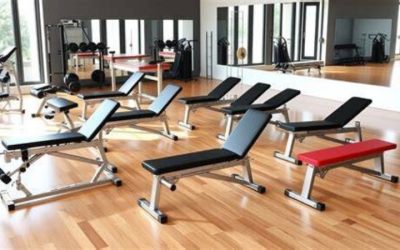
Best Adjustable Bench for Home Gym: 5 Picks Ranked by Use
Best adjustable bench for home gym decisions turn on three numbers most...
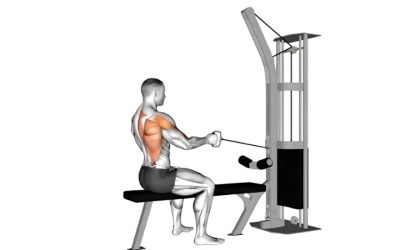
Best Cable Machine for Home Gym: 5 Picks and Pulley Ratios
Best cable machine for home gym shortlists collapse quickly once you convert...
8 Best Cable Machines for Home Gym: 5 Types and Their Limits
Best cable machines for home gym use are not one product category...
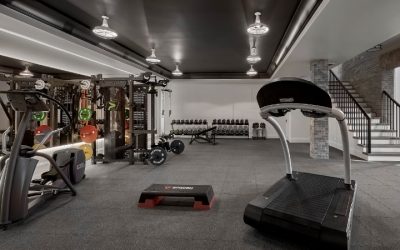
8 Best Home Gym Setups: Floors, Ceilings, Noise and Layout
Best home gym setup guides talk about equipment and skip the room,...
Write Your Review
No reviews yet. Be the first to share your experience!