Key takeaways
- Durability: Choose a tightly woven or coated surface that can tolerate frequent sitting, sliding, and repeated cleaning without developing premature wear.
- Comfort: For chairs used during extended meals, favor fabric with a breathable, non-sticky hand; vinyl is practical, but can feel warmer against the legs.
- Stretch and recovery: Slight flexibility helps with corners, while excessive stretch can produce wrinkles and a loose-looking seat after installation.
- Maintenance: Consider how the fabric responds to crumbs, drinks, pets, and children. Smooth surfaces generally wipe clean more easily than textured weaves.
- Pattern and quantity: Measure every seat, add material for wrapping and pattern alignment, and allow extra yardage when working with motifs or directional nap.
What's inside
Dining-chair upholstery has to survive more than the occasional spill. It faces repeated friction, shifting body weight, sharp clothing hardware, and the tension created when fabric is pulled around corners and stapled beneath a seat. A material that looks attractive on the roll can still disappoint if it frays, stretches, shows every mark, or feels uncomfortable after a long meal.
This guide evaluates fabric with an ergonomics-and-durability lens: hand feel, resistance to abrasion, cleanability, stretch control, installation tolerance, and suitability for everyday dining. The selection includes approachable faux linens, plush velvet, hard-wearing vinyl, and decorative woven fabric, so you can match the material to both the chair and the household using it.
As an Amazon Associate we earn from qualifying purchases.




🛒 Best Price Today on Amazon
Prime members get fast, free shipping on everything above, plus member-only deals. New members get a 30-day free trial — cancel anytime.
How to Choose a/an Fabric For Upholstering Dining Chairs (2026)
- Durability: Choose a tightly woven or coated surface that can tolerate frequent sitting, sliding, and repeated cleaning without developing premature wear.
- Comfort: For chairs used during extended meals, favor fabric with a breathable, non-sticky hand; vinyl is practical, but can feel warmer against the legs.
- Stretch and recovery: Slight flexibility helps with corners, while excessive stretch can produce wrinkles and a loose-looking seat after installation.
- Maintenance: Consider how the fabric responds to crumbs, drinks, pets, and children. Smooth surfaces generally wipe clean more easily than textured weaves.
- Pattern and quantity: Measure every seat, add material for wrapping and pattern alignment, and allow extra yardage when working with motifs or directional nap.
The Best Fabric For Upholstering Dining Chairs (2026)s Reviewed
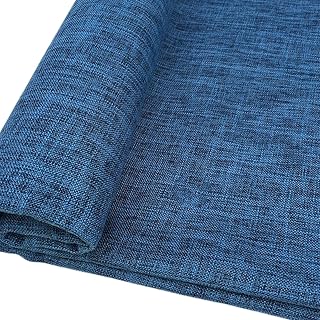
TinaKim Thick Faux Linen Upholstery Fabric
This grey-blue TinaKim fabric offers the relaxed appearance of linen with a heavier hand that is better suited to seat covers than lightweight garment cloth. Its restrained texture disguises minor creasing and everyday marks, making it a strong choice for dining rooms that need a soft, contemporary look without a delicate finish.
Faux Linen Needlework Fabric, 3.3 Yards
The generous 3.3-yard piece is useful for covering multiple seats or keeping the weave and color consistent across a set. Its faux-linen character provides visual warmth and reasonable breathability, although households with heavy wear should reinforce high-friction edges and avoid overly aggressive scrubbing.
TinaKim Navy Blue Linen-Type Upholstery Fabric
This one-yard navy option is well suited to a single replacement seat, a small repair, or a contrasting accent chair. Navy is forgiving around dining-table debris and creates a stable visual foundation, while the linen-like surface remains more inviting than slick synthetic upholstery.
TinaKim Velvet Upholstery Cloth, Light Green
Velvet brings a notably comfortable, cushioned feel and can make a plain dining chair look more substantial. The light-green TinaKim cloth is an appealing choice for an occasional or formal dining set, but its pile can show pressure direction and may require more careful vacuuming and spot treatment than a flat weave.
1.3 mm Waterproof Cocoa Faux Leather Vinyl
For maximum spill resistance, this thick cocoa vinyl is the practical specialist’s pick. Its composite backing and waterproof surface simplify cleanup, while the 1.3 mm construction should withstand demanding seat use; install it with even tension, since overly tight stapling can stress corners and create visible pulling.
Frequently Asked Questions
What is the most practical fabric for dining-chair seats?
A tightly woven faux linen is a balanced option for many homes because it combines comfort, breathability, and a forgiving appearance. If frequent spills are the main concern, waterproof vinyl is easier to maintain.
Is velvet suitable for dining chairs?
Yes, particularly for formal dining rooms or chairs that receive moderate use. Velvet is comfortable and visually rich, but its pile can show crushing, so it is less convenient where children, pets, or frequent messes are involved.
How much fabric is needed for one dining chair?
A typical dining seat often needs roughly half to three-quarters of a yard, depending on its dimensions, cushion thickness, and how far the fabric must wrap underneath. Measure the seat, add several inches on every side, and buy extra for mistakes or patterned material.
Should dining-chair upholstery be treated with a protective spray?
Only use a protector that is explicitly compatible with the fabric’s fiber and finish. Test it on an inconspicuous area first; an unsuitable product can alter color, stiffen the hand, or leave an uneven sheen.
Final Thoughts
For an adaptable everyday refresh, TinaKim’s thick faux linen is the strongest all-rounder, while the 1.3 mm cocoa vinyl is the better choice for spill-heavy households. Choose the light-green velvet when comfort and decorative impact matter most, and prioritize careful measuring and even tension regardless of the fabric selected.