Key takeaways
- Wear resistance: Choose a dense, tightly woven material for chairs used daily. A fabric that feels substantial in the hand is generally better equipped to handle repeated compression and rubbing.
- Grip and recovery: Upholstery fabric should stretch minimally and recover neatly after installation. Excessive give can create wrinkles, shifting, or loose areas around the front edge of the seat.
- Thickness: Medium-to-heavy cloth is easier to tension over foam and helps conceal minor imperfections beneath the cover. Very lightweight fabric may need a lining or an additional protective layer.
- Maintenance: Dining chairs benefit from finishes and colors that disguise small marks. Check the care instructions before buying; many upholstery fabrics are spot-clean only rather than machine washable.
- Cutting efficiency: Measure the seat, add generous allowances for wrapping underneath, and account for pattern direction. Wider fabric can reduce seams and make a set of matching chairs easier to complete.
What's inside
Dining-chair upholstery has to withstand more than occasional sitting: it faces abrasion, spills, friction from clothing, and the repeated strain of people sliding in and out. A fabric that looks attractive on a sample can still disappoint if it is too thin to hide the seat foam, too loose to staple cleanly, or difficult to keep taut around corners.
This guide evaluates six practical upholstery options with an ergonomics-and-durability focus. The emphasis is on handling, thickness, weave, coverage, cleanability, and how each material is likely to perform on frequently used dining seats. Always order a sample when possible, since color, hand feel, and actual weight can vary between listings.
As an Amazon Associate we earn from qualifying purchases.



🛒 Best Price Today on Amazon
Prime members get fast, free shipping on everything above, plus member-only deals. New members get a 30-day free trial — cancel anytime.
How to Choose an Upholstery Fabric For Dining Chairs (2026)
- Wear resistance: Choose a dense, tightly woven material for chairs used daily. A fabric that feels substantial in the hand is generally better equipped to handle repeated compression and rubbing.
- Grip and recovery: Upholstery fabric should stretch minimally and recover neatly after installation. Excessive give can create wrinkles, shifting, or loose areas around the front edge of the seat.
- Thickness: Medium-to-heavy cloth is easier to tension over foam and helps conceal minor imperfections beneath the cover. Very lightweight fabric may need a lining or an additional protective layer.
- Maintenance: Dining chairs benefit from finishes and colors that disguise small marks. Check the care instructions before buying; many upholstery fabrics are spot-clean only rather than machine washable.
- Cutting efficiency: Measure the seat, add generous allowances for wrapping underneath, and account for pattern direction. Wider fabric can reduce seams and make a set of matching chairs easier to complete.
The Best Upholstery Fabric For Dining Chairs (2026)s Reviewed
TinaKim Thick Upholstery Fabric
TinaKim’s grey-blue faux-linen material is a sensible choice for a coordinated dining set, particularly when a slightly textured, relaxed appearance suits the room. Its 57-by-72-inch, two-yard format offers useful coverage for several smaller seats, while the thicker construction should make it easier to pull firmly over foam without looking flimsy.
Faux Linen Needlework Fabric
This 3.3-yard grey-blue fabric provides generous working material for multiple chairs or a larger seating project. The faux-linen look brings visual texture without the maintenance demands of true linen, and the extra length is valuable when matching grain direction or allowing a wide stapling margin beneath each seat.
LaSilk Premium Faux Linen
LaSilk’s navy upholstery fabric is sold by the yard at a broad 57-inch width, making it a practical option for a single-chair repair or a carefully measured set. The darker color is forgiving in dining areas, while the thickened faux-linen construction should provide a more supportive, tailored finish than lightweight craft cloth.
11OZ Polyester Blend Upholstery Fabric
The khaki 11-ounce polyester blend is oriented toward straightforward, hard-wearing upholstery work. Polyester is often valued for dimensional stability and everyday practicality, and the neutral khaki tone can bridge wood, painted, and upholstered dining furniture without becoming visually dominant.
Heavy Linen Fabric
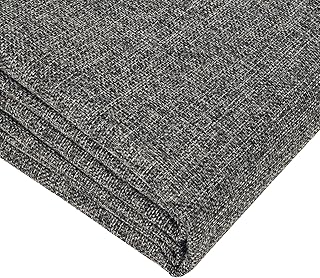
This dark-grey material is listed at 1.2mm thick and measures 80 by 57 inches, giving it a notably substantial profile for a fabric with a linen-textured appearance. It may be especially appealing when the goal is a structured, understated seat cover, though buyers should confirm its suitability for upholstery and test how easily it folds around tight corners.
Frequently Asked Questions
How much fabric do I need for a dining chair?
Many standard dining seats can be covered with roughly half to three-quarters of a yard each, but the exact amount depends on seat size, fabric width, pattern direction, and how much material must wrap underneath. Add extra rather than cutting tightly; a generous stapling allowance improves tension and makes repositioning possible.
Is faux linen durable enough for dining chairs?
It can be, especially when the fabric has a dense weave and upholstery-oriented weight. Faux linen is often easier to manage than natural linen, but construction matters more than appearance alone, so inspect the weave and use a sample to check for stretching, seam slippage, and snagging.
Should dining-chair fabric be treated with a stain protector?
A compatible upholstery protector may provide useful time to blot spills, but it does not make fabric stain-proof. Follow the manufacturer’s instructions, test an inconspicuous section first, and avoid saturating the seat padding, where trapped moisture can create odor or mildew problems.
What is the best color for frequently used dining chairs?
Mid-tone neutrals, navy, charcoal, and muted blue-grey are usually forgiving choices because they conceal minor marks without making the room feel heavy. The best selection also depends on lighting and surrounding finishes, so compare samples in daylight and under the room’s evening lighting.
Final Thoughts
For a balanced combination of coverage and approachable texture, TinaKim Thick Upholstery Fabric is a strong starting point. Choose LaSilk Premium Faux Linen when navy suits the room and you need a focused project quantity, or consider the 11OZ Polyester Blend for a practical khaki cover intended to handle regular household use.