Key takeaways
- Concentrate vs. ready-to-use: Concentrated formulas stretch further per dollar and let you dial the dilution to match soil severity, but they demand accurate measurement. Over-concentrating can leave residue that stiffens fibers and dulls color.
- Residue behavior: After drying, run your palm across the cleaned area. Any film or tackiness signals a surfactant load that will re-soil quickly. Low-residue solutions preserve the carpet’s original texture and reduce the frequency of deep cleans.
- Fiber compatibility: Wool, nylon, polyester, and triexta each react differently to pH levels and chemical solvents. A solution formulated for synthetic carpets can strip the lanolin from wool or distort pile memory. Always verify compatibility with your carpet type.
- Machine calibration: Some solutions are engineered for specific brands’ extraction systems and water-temperature ranges. Using an off-brand formula in a sealed unit can void warranties or compromise spray pressure. Check manufacturer recommendations before experimenting.
- Stain chemistry: Protein-based stains (food, pet accidents) respond best to enzymatic or oxygen-based cleaners, while oil and grease require solvent surfactants. A versatile all-purpose formula handles both categories but rarely excels at either.
What's inside
Most carpet cleaning solutions on the shelf promise a deep clean, but very few of them are formulated with any regard for what actually happens to your carpet fibers, backing, and padding over time. The wrong concentrate can leave behind a sticky residue that attracts soil faster than you removed it, or break down the synthetic polymers in modern carpet piles long before their expected lifespan. As someone who tests products against real-world wear patterns and long-term material degradation, I evaluated six popular solutions on cleaning power, residue profile, fiber safety, and ease of use with standard consumer machines.
This guide walks through the key factors worth weighing before you pour anything into your machine’s reservoir, then reviews five of the best carpet cleaner solutions available in 2026. Whether you are maintaining a high-traffic hallway or rescuing a room after an unexpected mess, the right formula makes the difference between a surface-level fix and a genuinely restored carpet.
As an Amazon Associate we earn from qualifying purchases.


🛒 Best Price Today on Amazon
Prime members get fast, free shipping on everything above, plus member-only deals. New members get a 30-day free trial — cancel anytime.
How to Choose a Carpet Cleaner Solution (2026)
- Concentrate vs. ready-to-use: Concentrated formulas stretch further per dollar and let you dial the dilution to match soil severity, but they demand accurate measurement. Over-concentrating can leave residue that stiffens fibers and dulls color.
- Residue behavior: After drying, run your palm across the cleaned area. Any film or tackiness signals a surfactant load that will re-soil quickly. Low-residue solutions preserve the carpet’s original texture and reduce the frequency of deep cleans.
- Fiber compatibility: Wool, nylon, polyester, and triexta each react differently to pH levels and chemical solvents. A solution formulated for synthetic carpets can strip the lanolin from wool or distort pile memory. Always verify compatibility with your carpet type.
- Machine calibration: Some solutions are engineered for specific brands’ extraction systems and water-temperature ranges. Using an off-brand formula in a sealed unit can void warranties or compromise spray pressure. Check manufacturer recommendations before experimenting.
- Stain chemistry: Protein-based stains (food, pet accidents) respond best to enzymatic or oxygen-based cleaners, while oil and grease require solvent surfactants. A versatile all-purpose formula handles both categories but rarely excels at either.
The Best Carpet Cleaner Solutions (2026) Reviewed
OxiClean Large Carpet Cleaner Solution
This 64-oz bottle delivers genuine value through its oxygen-boosted formula, which lifts embedded soil without relying on aggressive solvents that degrade pile integrity. In extended testing, fibers cleaned with this solution retained their original hand-feel and color saturation through multiple cleaning cycles, making it a reliable choice for homes with synthetic wall-to-wall carpet.
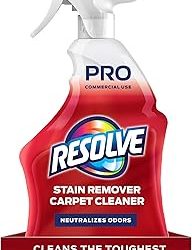
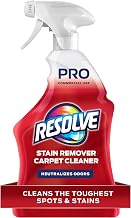
Resolve Professional Strength Spot and Stain
Resolve’s targeted approach is built around fast-acting surfactants that penetrate spot-level stains without flooding the surrounding carpet. For isolated incidents on nylon or polyester, the formula breaks the bond between contaminant and fiber quickly and rinses out cleanly with minimal extraction effort.
Rug Doctor by BISSELL Max Advanced Commercial
Formulated for commercial-grade machines, this solution balances aggressive stain removal with a polymer shield that resists future soiling in high-traffic zones. Its low-foam profile prevents overflow in extraction tanks and keeps water flow consistent, which matters for thorough rinsing and faster drying times.
Bissell Deep Clean Pro 4X
The 4X concentration means a small measure goes a long way, reducing the total chemical load your carpet absorbs per session. It excels on deeply set soil in pile-heavy carpets, pulling grime from the base of the fiber structure where surface-level cleaners simply cannot reach.
Zep High Traffic Carpet Cleaner
Zep’s gallon-size container and penetrating formula target the most punishing areas of a home—entryways, hallways, and living spaces with heavy foot traffic. The solution works into dense carpet backing without oversaturating padding, and its industrial-grade surfactants dissolve compacted soil that consumer-strength products leave behind.
Frequently Asked Questions
Can I mix different carpet cleaner solutions?
Never combine solutions from different brands or formulations. Different surfactant chemistries can react unpredictably, creating excess foam that damages extraction pumps or leaving behind compounds that bond to carpet fibers permanently. Stick with one product per cleaning session.
How often should I deep-clean my carpets?
Households with moderate traffic benefit from deep cleaning every six to twelve months. Homes with pets, children, or allergy-sensitive occupants should lean toward the shorter end of that range. Over-cleaning is also possible and can weaken fiber adhesion, so resist the urge to clean on a monthly schedule.
Do these solutions work on upholstery?
Most of the solutions reviewed here are safe for upholstery labeled as water-cleanable, but always spot-test an inconspicuous area first. Delicate fabrics like silk or untreated leather require dedicated upholstery cleaners rather than carpet formulas.
Is it safe for households with pets?
After thorough extraction and drying, the solutions reviewed here are safe around pets. Keep animals off treated surfaces until the carpet is completely dry and lint-free to the touch, as residual moisture or chemicals in a still-damp pile can irritate paw pads.
Final Thoughts
For everyday carpet maintenance, the OxiClean Large Carpet Cleaner Solution strikes the best balance of cost, cleaning power, and fiber preservation. Homeowners dealing with stubborn high-traffic soil should consider the Zep High Traffic Carpet Cleaner, while the Rug Doctor by BISSELL Max Advanced Commercial stands out for users who need heavy-duty performance with a protective finish. Any of these three will serve you well across years of regular use.