Key takeaways
- Tank capacity vs. weight trade-off: Larger clean-water tanks mean fewer refills on big jobs, but they increase the loaded weight you’ll push and pull across every pass. Look for a machine that balances at least a 1-gallon capacity with a loaded weight you can comfortably maneuver—ideally under 25 pounds for upright models.
- Brush-roll design and agitation power: Multiple rotating brush rows scrub deeper than a single-brush bar. Machines with spin-action or counter-rotating brushes lift matted pet hair and push cleaning solution into the carpet pile rather than just across the surface.
- Suction strength and drying speed: Strong extraction directly affects how quickly your carpet dries, which matters when pets will re-enter the room. Heat-assisted drying or high-vacuum motors can cut dry time by hours—a real ergonomic win for families who can’t cord off a room all day.
- Pet-specific tooling and hose reach: A crevice tool and an upholstery attachment are table stakes, but hose length determines whether you can comfortably clean stairs and furniture without awkward bending. Anything under 8 feet will leave you crouching on the third step.
- Solution chemistry and refill availability: Bundled pet stain-and-odor formulas should use oxygen-based or enzyme-driven agents rather than masking fragrances. Also verify that compatible refill bottles are easy to find online—proprietary systems lock you in, so check pricing before committing.
What's inside
If you share your home with pets, you already know the drill: muddy paw prints tracked across the living room, a mysterious urine stain that resurfaces weeks later, and that faint undercurrent of “dog” no amount of baking soda can fully silence. Standard vacuuming handles surface debris, but it can’t extract the organic residues embedded deep in carpet fibers—the compounds that cause odor and attract repeat accidents.
This guide zeroes in on carpet cleaners built specifically for pet households. I evaluated each machine on cleaning effectiveness, structural durability, user ergonomics during extended sessions, and how well the included pet-targeted solutions perform against urine and vomit chemistry. The picks below cover full-size uprights for whole-home use, a compact spot cleaner, and one handheld option for upholstery and tight spaces.
As an Amazon Associate we earn from qualifying purchases.



🛒 Best Price Today on Amazon
Prime members get fast, free shipping on everything above, plus member-only deals. New members get a 30-day free trial — cancel anytime.
How to Choose a Carpet Cleaner For Pet (2026)
- Tank capacity vs. weight trade-off: Larger clean-water tanks mean fewer refills on big jobs, but they increase the loaded weight you’ll push and pull across every pass. Look for a machine that balances at least a 1-gallon capacity with a loaded weight you can comfortably maneuver—ideally under 25 pounds for upright models.
- Brush-roll design and agitation power: Multiple rotating brush rows scrub deeper than a single-brush bar. Machines with spin-action or counter-rotating brushes lift matted pet hair and push cleaning solution into the carpet pile rather than just across the surface.
- Suction strength and drying speed: Strong extraction directly affects how quickly your carpet dries, which matters when pets will re-enter the room. Heat-assisted drying or high-vacuum motors can cut dry time by hours—a real ergonomic win for families who can’t cord off a room all day.
- Pet-specific tooling and hose reach: A crevice tool and an upholstery attachment are table stakes, but hose length determines whether you can comfortably clean stairs and furniture without awkward bending. Anything under 8 feet will leave you crouching on the third step.
- Solution chemistry and refill availability: Bundled pet stain-and-odor formulas should use oxygen-based or enzyme-driven agents rather than masking fragrances. Also verify that compatible refill bottles are easy to find online—proprietary systems lock you in, so check pricing before committing.
The Best Carpet Cleaner For Pet (2026)s Reviewed
Rug Doctor Mighty Pro X3
Built like the rental units you’ve seen at grocery stores, the Mighty Pro X3 delivers commercial-grade suction with a simple one-pass design that doesn’t require multiple forward-backward strokes. It’s a genuinely heavy machine at nearly 40 pounds loaded, but the wide cleaning path compensates by covering more ground per pass—fewer passes means less overall strain on your arms and back. The bundled Pet Stain & Odor solution cuts through urine at a chemical level rather than simply masking it.
BISSELL TurboClean PET
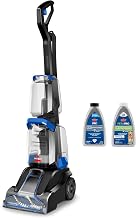
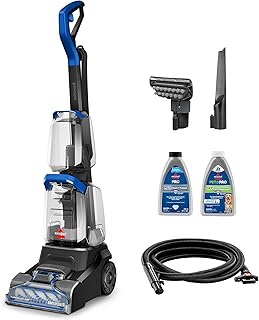
The TurboClean PET is the pick for households that need portability without sacrificing pet-specific cleaning power. At roughly 14 pounds, it’s light enough for one-handed carry upstairs, and its compact footprint stores in a closet without dominating your floor plan. The upright design still manages respectable suction for embedded stains, though the smaller tank will require more frequent refills on anything beyond a single room.
Hoover SmartWash PET
SmartWash takes the guesswork out of the wash-and-dry cycle with automatic cleaning mode detection—press forward and it washes, pull back and it extracts. The included Spot Chaser Wand is genuinely useful for targeting isolated accidents without firing up the full machine, and its retractable design avoids the tangle-prone hose storage that plagues competing models. Durability-wise, the reinforced handle and metal axle components feel built for years of weekly use.
BISSELL Big Green PET PRO
The Big Green PET PRO is the most industrial option in this roundup, and it earns the designation. Its 8-row XL DirtLifter PowerBrush scrubs with aggressive force that genuinely rivals commercial rental equipment. The 9-inch hose and dual upholstery tools make it the best choice if you also need to deep-clean sofas and car interiors regularly. Build quality is heavy-duty—this machine weighs over 30 pounds, but every ounce translates into cleaning capability.
Uwant 18Kpa Portable Upholstery Cleaner
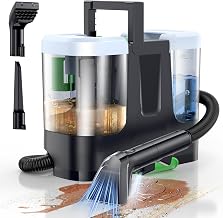
For spot cleaning and upholstery work, the Uwant brings a focused 18Kpa suction motor into a handheld form factor that weighs almost nothing. The three interchangeable brush heads adapt to different fabric textures, and the included Pet Pro Solution is surprisingly effective on dried urine spots. It won’t replace a full-size upright for whole-room jobs, but as a companion piece, it fills a gap most households overlook until they need it.
Frequently Asked Questions
How often should I deep-clean carpets in a pet household?
For homes with one or two pets, plan a full extraction cleaning every four to six weeks. Multi-pet households or allergy sufferers should bump that to every two to three weeks. Regular vacuuming between deep cleans extends carpet life but doesn’t replace the need to flush embedded residues.
Can carpet cleaners remove old, set-in urine stains?
Fresh stains respond quickly to enzyme-based solutions, but old stains that have reached the carpet pad may require multiple treatments. Look for cleaners with strong suction that can pull solution deep into the pad, and pair the machine with an oxygen-boosted formula designed for older deposits.
Are the included pet cleaning solutions safe for all carpet types?
Most bundled solutions are safe for synthetic and nylon fibers, but natural fibers like wool or sisal can be sensitive to certain detergents. Always test in an inconspicuous corner before a full application. If you have delicate carpeting, consider purchasing a pH-neutral pet solution separately.
What’s the difference between a spot cleaner and a full-size carpet cleaner?
Spot cleaners target isolated stains with smaller tanks and shorter cleaning paths, making them fast and lightweight. Full-size units cover entire rooms in fewer passes but demand more storage space and physical effort. A smart strategy is owning both: a full-size upright for scheduled deep cleans and a portable unit for daily emergencies.
Final Thoughts
For the best overall balance of pet-cleaning power and long-term durability, the Hoover SmartWash PET stands out with its automatic cycle control and thoughtful accessory kit. The Rug Doctor Mighty Pro X3 is the top choice for households that need raw commercial strength without the rental hassle. And if space or budget is tight, the BISSELL TurboClean PET punches well above its weight at a fraction of the footprint.