Our Top Picks
The best backpack leaf blowers for a large property are the gas models with a clear padded harness, and within this set the Husqvarna 570BTS, 360BT and 350BT sit at the top of the price range while the Relxxon, HTK and VEVOR listings undercut them by a wide margin. If you would rather skip fuel and noise, the EGO POWER+ and Greenworks 60V listings are the two cordless options. Ten listings are compared below using only what each title states.
You will see big numbers on these titles, including 1110 CFM and 275 MPH. Those are seller claims measured under conditions the titles do not describe, so use them as a rough guide to class, not as a scoreboard.
Top picks at a glance

VEVOR 63CC Gas Backpack Leaf Blower, 2-Cycle 1110CFM 220MPH | Back Pack Blower Gas Powered, 1.89L Tank, Perfect for Garden Maintenance, Clearing Leaves and Snow
One of the home product options compared in this guide.
View on Amazon
PROYAMA 72CC Gas Backpack Leaf Blower, Garden Yard Cleaning, Snow Removal | 880CFM 275MPH 2 in 1 Nozzle Low Vibration and Ergonomic Harness Design with Cruise Control for Commercial Lawn Care
One of the home product options compared in this guide.
View on Amazon
Husqvarna 150BT Gas Backpack Leaf Blower, 51-cc 2.16-HP 2-Cycle | Leafblower for leaf removal featuring back pack blower, 2-Cycle, 270-MPH and ergonomic harness, Model 970466901
One of the home product options compared in this guide.
View on Amazon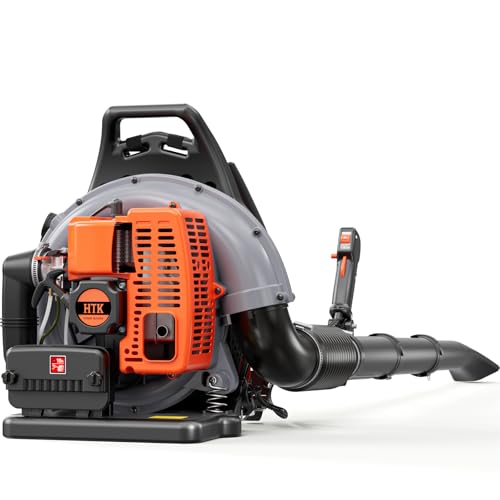
HTK Gas Backpack Leaf Blower, 63CC 2-Stroke, 665 CFM, Max 205 MPH, Orange | 63cc Commercial-Grade Output, Air-Purge Start, Padded Harness, Cruise Control, 1.7 L Tank, 71 Db, Tube And Manual Included
One of the home product options compared in this guide.
View on Amazon
Husqvarna 360BT Gas Backpack Leaf Blower, 65.6-cc 3.81-HP 2-Cycle | Leaf Blower 890-CFM/232-MPH/30-N Powerful Clearing performance and Load Harness for small and large yard cleanup
One of the home product options compared in this guide.
View on Amazon
EGO POWER+ Backpack Leaf Blower, Cordless Electric 600 CFM, Includes 56V 7.5Ah Battery and Charger - LB6003
One of the home product options compared in this guide.
View on Amazon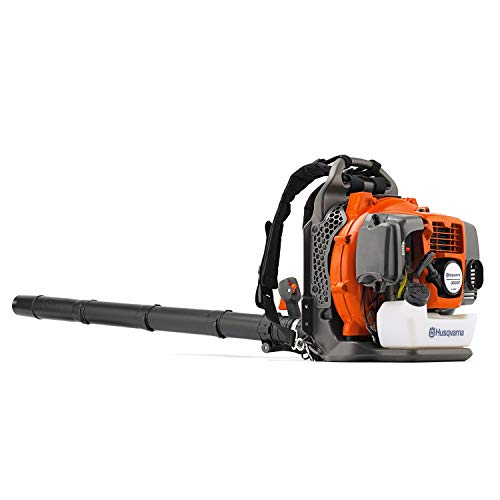
Husqvarna 350BT Gas Leaf Blower, 50.2-cc 2.1-HP 2-Cycle Backpack Leaf Blower with 692-CFM, 180-MPH, 21-N Powerful Clearing Performance and Ergonomic Harness System, 965877502
One of the home product options compared in this guide.
View on Amazon
Relxxon 52CC Backpack Leaf Blower, 550CFM 200MPH 2-Stroke Gas Powered | Cruise Control, Anti-Vibration, Ergonomic Padded Harness, 17.2Lb, 6800RPM, User Manual
One of the home product options compared in this guide.
View on Amazon
Greenworks 60V Backpack Leaf Blower, 550 CFM, 5.0 Ah Battery and Charger | Backpack harness spreads weight, Cordless, Powerful Performance for Yard Maintenance, Heavy Duty Debris Removal
One of the home product options compared in this guide.
View on Amazon
Husqvarna 570BTS Backpack Leaf Blower, Ergonomic Design, Gas Leaf Blower | 66-cc 4-HP 2-cycle gas leaf blower, 972-CFM, 236-MPH, 37-N, powerful clearing performance with air purge and cruise control
One of the home product options compared in this guide.
View on Amazon| Model | Key point from the title | Price tier | Best for |
|---|---|---|---|
| VEVOR 63CC Gas Backpack Leaf Blower | 63cc 2-cycle, 1110 CFM claimed, 1.89 L tank | Budget | Big claims on a low budget, with caution |
| PROYAMA 72CC Gas Backpack Leaf Blower | 72cc, 880 CFM, cruise control, 2-in-1 nozzle | Budget | Large displacement for the money |
| Husqvarna 150BT | 51-cc 2.16-HP 2-cycle, 270 MPH | Mid-range | Homeowners who want a known brand name |
| HTK Gas Backpack Leaf Blower | 63cc, 665 CFM, air-purge start, 1.7 L tank | Budget | Easier starts at an entry-level cost |
| Husqvarna 360BT | 65.6-cc 3.81-HP, 890 CFM, 232 MPH | Premium | Larger yards and regular use |
| EGO POWER+ LB6003 | Cordless 600 CFM, 56V 7.5Ah battery included | Mid-range | Quieter, fuel-free yard work |
| Husqvarna 350BT | 50.2-cc 2.1-HP, 692 CFM, 180 MPH | Premium | Medium-to-large yards, brand-first buyers |
| Relxxon 52CC Backpack Leaf Blower | 52cc, 550 CFM, 17.2 lb, anti-vibration | Budget | Lowest-cost gas option with a weight figure |
| Greenworks 60V Backpack Leaf Blower | Cordless 550 CFM, 5.0Ah battery included | Mid-range | Battery users who want a weight-spreading harness |
| Husqvarna 570BTS | 66-cc 4-HP, 972 CFM, 236 MPH | Premium | Heavy debris and larger acreage |
Tiers compare listings inside this group only. Nobody here has handled the products, so figures are as stated in titles.
What is changing with backpack blowers
The biggest shift in this category over recent seasons is the arrival of capable battery models alongside traditional two-stroke engines. The EGO and Greenworks listings both advertise 550 to 600 CFM from a cordless pack, which is in the same range as several gas models on this list. That does not mean they match gas for every job, but it does mean buyers with moderate lots now have a real choice.
Gas listings keep evolving too. Titles now mention air-purge or primer-style starting, cruise control for the throttle, and padded or ergonomic harnesses, features that address the common complaints about hard starts and sore shoulders. We also see more low-cost imports with very high claimed airflow numbers. A 63cc engine claiming 1110 CFM on one listing and 665 CFM on another is a signal to compare the measurement basis, not to assume the bigger number is truer.
Noise rules are another factor. Some towns restrict leaf blower hours or gas equipment, so check your local rules before choosing an engine type. Finally, brand-name professional lines such as the Husqvarna BT series remain the premium end of this set. This is general context, hedged on purpose, and none of it replaces reading the specific listing for the model you want.
Weight and ergonomics have become part of the marketing as well. Several titles lead with harness design, anti-vibration claims and cruise control, which tells you the sellers know that comfort drives return rates. Treat those words as prompts for questions, such as how wide the shoulder straps are and whether there is a hip belt, not as proof of comfort.
How we picked these
We began with the ten backpack blower listings supplied for this keyword and read each title for engine size, airflow, speed, fuel or battery details and comfort features. Where a title does not state something, we say “check the listing”. Nobody on the team used or measured these units. Our basis is published specifications, manufacturer documentation and buyer reviews, and the numbers in titles are the sellers’ own claims. We did not rank by one metric, because CFM, MPH, weight and runtime pull in different directions. Price tiers are relative to this group only. We also flagged ambiguous or odd claims, for example the decibel figure on the HTK listing, so you know which numbers to double-check.
The ten listings, one by one
VEVOR 63CC Gas Backpack Leaf Blower
The title describes a 63cc two-cycle gas blower with a claimed 1110 CFM and 220 MPH, a 1.89 L tank, and uses in garden maintenance, leaf clearing and snow. The 1110 CFM figure is the highest airflow in this set, even though several larger or professional-brand engines claim less. That gap is worth noting rather than celebrating, since measurement methods vary.
A homeowner with a half-acre of oak leaves might see this as the lowest-cost route to a big gas machine. The larger tank could mean longer stretches between fills, though real runtime depends on use.
Comparing it with the HTK listing is instructive: both name a 63cc engine, yet the claimed airflow differs by hundreds of CFM. One of the two numbers was measured differently, or marketing was generous. Until you can see a stated test method, assume the real-world gap between them is smaller than the titles suggest. The mention of snow clearing is a secondary use, and a gas engine may need extra care to start in cold weather.
- Pros: Budget tier; large tank for its class; high claimed airflow.
- Cons: Seller support and parts availability are unknown from the title.
- Cons: Unverified headline numbers; the title does not mention a harness or cruise control.
Check the listing: dry weight, harness padding, noise information, parts and warranty support.
Ask before buying: how will I get service or parts if it fails?
PROYAMA 72CC Gas Backpack Leaf Blower
This listing names the biggest engine of the non-Husqvarna group, 72cc, with 880 CFM, 275 MPH, a 2-in-1 nozzle, low vibration, an ergonomic harness, cruise control and a commercial lawn care angle. It stays in the budget tier despite the size.
Imagine a landscaper-in-training who wants something bigger than a residential handheld without a professional brand price. The ergonomic harness and cruise control are the sort of features that matter during long sessions.
Higher displacement typically means more weight and more fuel use, so check the listing for both. The 2-in-1 nozzle suggests a choice between a round and a flattened tip, which can help when you switch between open lawn and tight beds. Low vibration is a seller claim; the only way to judge it is through buyer comments about hand and arm fatigue over a long session.
- Pros: Large displacement; cruise control; harness features named.
- Pros: 2-in-1 nozzle gives some flexibility between open areas and tight spots.
- Cons: “Commercial” is marketing wording, not a rating; unknown brand support.
Check the listing: weight, fuel mix instructions, noise, nozzle types, warranty terms.
Ask before buying: do I need this much engine for my property?
Husqvarna 150BT Gas Backpack Leaf Blower
The title gives 51-cc, 2.16-HP, two-cycle, 270 MPH, an ergonomic harness and model number 970466901. It does not state CFM, so you cannot compare airflow to others without opening the listing. It sits in the mid-range tier in this set, below the other Husqvarna models.
A homeowner who wants a recognizable brand and a manageable size for a quarter-acre suburban lot might gravitate here. Use the model number to look up documentation yourself.
The title is the only one among the Husqvarna set that does not list CFM, which makes it the hardest to compare on paper. Its stated 270 MPH is higher than the 350BT’s 180 MPH, a reminder that MPH alone is a poor proxy for how much a blower moves. If you prefer to buy where a dealer can service the machine, a recognizable brand name may reduce the risk of being stuck with an orphaned model.
- Pros: Brand with documentation; model number supports checking specs; harness named.
- Pros: Stated 270 MPH is on the high side of the set.
- Cons: Title omits CFM; lower power than the 360BT and 570BTS.
Check the listing: airflow rating, weight, warranty, dealer service availability.
Ask before buying: is the missing airflow number available in the official documentation?
HTK Gas Backpack Leaf Blower, 63CC, Orange
HTK’s title is packed: 63cc two-stroke, 665 CFM, 205 MPH max, air-purge start, padded harness, cruise control, a 1.7 L tank, tube and manual included, “Commercial-Grade Output” and “71 Db”. That decibel figure is ambiguous. The title does not say distance or conditions, and a gas engine in this class at 71 dB would be unusually quiet, so treat it as unreliable until clarified.
Use case: a landowner who dislikes pull-start struggles and wants air-purge help at a budget price.
The title says the tube and manual are included, which is useful because assembly instructions and safety information matter on a gas machine. Read the manual’s fuel mix ratio before the first start, and do not run the engine in a closed garage. As with VEVOR, the airflow claim is the seller’s, and the other numbers in the title give you more to compare than the noise figure does.
- Pros: Air-purge start; cruise control; padded harness.
- Pros: Tube and manual stated as included.
- Cons: Ambiguous noise claim; “commercial-grade” is a marketing phrase.
Check the listing: what the dB number refers to, weight, warranty.
Ask before buying: will I wear hearing protection regardless of the quoted dB?
Husqvarna 360BT Gas Backpack Leaf Blower
The title lists 65.6-cc, 3.81-HP, two-cycle, 890 CFM, 232 MPH, 30-N force and a load harness, for small and large yard cleanup. It sits in the premium tier and is a step up in output from the 150BT and 350BT.
Think of a homeowner with a wooded acre who clears leaves every weekend each autumn. The 360BT is the middle of the three higher-end Husqvarna listings here.
The title’s figures sit between the 350BT and the 570BTS: 890 CFM against 692 and 972. For many buyers that makes it the balanced professional-brand choice, though your yard size should drive the decision, not the spec ladder. A load harness is named, so check the listing for the strap layout, and plan for the regular maintenance two-stroke engines require, such as air filter cleaning and spark plug checks as set out in the manual.
- Pros: High stated airflow and force; brand documentation; harness named.
- Pros: Sits between the other Husqvarna listings in airflow, which suits many mid-size jobs.
- Cons: Premium price; two-stroke upkeep like fuel mixing.
Check the listing: weight, noise, warranty and dealer service.
Ask before buying: does my yard justify paying for a more powerful machine than the 350BT?
EGO POWER+ Backpack Leaf Blower LB6003, Cordless
This cordless electric listing states 600 CFM and includes a 56V 7.5Ah battery and charger. It does not give MPH in the title. It sits in the mid-range tier and is the first of two battery options.
A suburban homeowner who dislikes fuel mixing and wants quieter weekend cleanups might choose this. A 7.5Ah pack is large for its class, but actual runtime depends on speed setting, so follow the manufacturer’s instructions for charging and storage.
Cordless blowers also change the maintenance routine: no fuel mix, no spark plug, no carburetor cleaning. What you take on instead is battery care. Keep the pack out of extreme heat and wet conditions, use only the supplied or approved charger, and stop using any battery that swells, leaks or smells odd. The title’s model number makes it simple to locate the official manual and runtime table.
- Pros: No fuel; battery and charger included; simple model number for documentation.
- Pros: No fuel mixing or engine upkeep.
- Cons: Runtime is finite; battery replacement cost.
Check the listing: runtime at each setting, weight, whether more batteries are compatible, warranty.
Ask before buying: how long is my longest cleanup session?
Husqvarna 350BT Gas Leaf Blower
The title describes 50.2-cc, 2.1-HP, two-cycle, 692 CFM, 180 MPH, 21-N force and an ergonomic harness system, with model 965877502. Its speed and force figures are lower than the 360BT but the CFM is close to HTK’s claim on a smaller engine.
It suits a buyer who prefers brand support but does not need the top-end output. The premium tier shows the brand cost.
The title’s wording differs slightly from the other Husqvarna entries, calling it a gas leaf blower with backpack format rather than leading with the backpack. That is an editorial quirk rather than a difference in class. The 21-N force is the lowest of the three Husqvarna entries that state one, so compare it to your debris: dry leaves are fine, wet matted piles may take longer.
- Pros: Brand support; ergonomic harness; stated force figure.
- Pros: Lower force figure than the 570BTS may mean easier handling for lighter jobs.
- Cons: Lower MPH than other gas models; premium price.
Check the listing: weight, warranty, parts availability.
Ask before buying: is its output meaningfully different from the 150BT for my yard?
Relxxon 52CC Backpack Leaf Blower
The title lists 52cc, 550 CFM, 200 MPH, a two-stroke gas engine, cruise control, anti-vibration, an ergonomic padded harness, 17.2 lb and 6800 RPM, plus a user manual. It is the only title with a weight, which helps with planning.
It suits a budget buyer with a modest to medium yard who wants to compare weights before committing.
Some details in the title are clear and some are not. 6800 RPM is a motor speed and not a performance rating, and 17.2 lb does not say whether fuel is included. If the weight is the unfilled figure, expect noticeably more on your back once the tank is full. Anti-vibration is a seller phrase, so look for buyer comments about hand fatigue before assuming it is meaningful.
- Pros: Lowest tier; weight stated; comfort features named.
- Pros: User manual stated as included.
- Cons: Smallest engine among the unbranded gas models; unknown service network.
Check the listing: whether 17.2 lb is dry or filled, warranty, parts.
Ask before buying: will I be able to get replacement parts later?
Greenworks 60V Backpack Leaf Blower
The title states a 60V cordless blower with 550 CFM, a 5.0Ah battery and charger, and a harness that spreads weight, aimed at yard maintenance and heavy debris removal. It is mid-range, and the battery is smaller than the EGO’s.
For someone with a half-acre who likes tool systems, battery compatibility can matter. Ask whether you already own 60V batteries.
A harness that spreads weight is the title’s comfort feature, and battery weight sits on your back with the unit, so check the combined weight. The 5.0Ah pack is smaller than the EGO’s 7.5Ah, so expect shorter runtime if all else is equal. Plan on a charge cycle between sessions, and follow the manufacturer’s instructions on charger placement and temperature.
- Pros: Cordless; battery and charger included; weight-spreading harness.
- Pros: Heavy-duty debris use is stated in the title.
- Cons: Smaller battery than the EGO listing; finite runtime.
Check the listing: runtime, weight, MPH, battery compatibility.
Ask before buying: do I already own batteries from this system?
Husqvarna 570BTS Backpack Leaf Blower
The title lists 66-cc, 4-HP, two-cycle, 972 CFM, 236 MPH, 37-N force, air purge and cruise control, with an ergonomic design. It has the highest horsepower and force among Husqvarna listings here, and sits in the premium tier.
It suits a buyer with acreage, a lot of wet or compacted leaves, or professional-style use. If your yard is small, it is more machine than you need.
The “S” in the model name is not explained in the title, so check the listing for what changed against the other BT models. With 972 CFM and 37-N force it states the strongest figures among the Husqvarna set, and with that comes greater fuel use, noise and weight to manage. Wear hearing protection, and be considerate of neighbors when scheduling long sessions.
- Pros: Top stated force; air purge; cruise control.
- Pros: Strongest stated figures among the Husqvarna listings.
- Cons: Highest price tier; size and weight need checking.
Check the listing: weight, noise, warranty and dealer service.
Ask before buying: would a 360BT cover my needs for less?
How to choose a backpack leaf blower
Choose gas or battery first
Gas gives long runtime and quick refueling at the cost of noise, fuel handling and engine upkeep. Battery gives quieter operation and easier starting at the cost of limited runtime. Decide this before comparing models.
Read CFM and MPH as a pair
CFM is volume; MPH is speed. A wide pile of dry leaves rewards volume. Wet, matted or stuck debris benefits from speed and force. Compare numbers only between listings that measure them the same way, and be cautious about outliers.
Weigh harness and comfort
You will carry the machine on your back. Look for padded straps, a chest strap and a hip belt. The Relxxon title states 17.2 lb; for most others you must check the listing for dry and filled weight.
Start, fuel and maintenance
Two-stroke gas models need a fuel and oil mix specified by the maker, and fuel should be stored in approved containers. Air-purge and primer systems ease starting. Never refuel a hot engine, and never run a gas engine indoors or in an enclosed space because of carbon monoxide. Follow the manufacturer’s instructions and local codes.
Check nozzle and attachments
Some titles mention a 2-in-1 nozzle or a tube included in the box. A round nozzle concentrates air for stuck debris, while a flattened tip spreads it for open lawn. A longer tube helps with reaching under shrubs but can feel front-heavy. If you plan to blow decks, gravel paths or flower beds, ask what the nozzle options are.
Think about neighbors and noise
Gas blowers are loud. Wear hearing protection and eye protection, and check local rules on hours and equipment. Battery models are generally quieter, but still call for protection.
Worked example
These figures are illustrative assumptions only. Suppose you have a quarter-acre of lawn, about 10,890 square feet, and you clear it in a 90-minute session twice a week for ten weeks of fall.
- A gas blower with a 1.7 L tank might run roughly an hour per tank, if the engine burns about 1.7 L per hour, so expect one mid-session refuel. Real consumption varies by throttle and load.
- A battery blower with a 5.0Ah pack might run 20 to 30 minutes at high speed in some systems, so a 90-minute session could need three packs, or a lower speed setting. This is a rough assumption and not a listing claim.
The takeaway: for sessions over an hour, gas needs one refuel while battery needs spare packs, and spare packs add cost. That math often decides the gas versus battery choice.
| Spec concept | What to look for | Why it matters |
|---|---|---|
| Engine size (cc) or voltage | Enough for your yard, from about 50cc to 70cc gas or 56V to 60V battery in this set | Sets the baseline power class |
| CFM | Stated airflow, ideally with test method | Moves wide piles of leaves |
| MPH or force (N) | Stated speed or force at the nozzle | Dislodges stuck or wet debris |
| Weight | Dry and filled weight | Determines how long you can carry it |
| Harness | Padded straps, chest strap, hip support | Reduces fatigue |
| Starting aid | Air purge or similar | Eases pull starts |
| Warranty and parts | Named support path | Matters most with lesser-known brands |
Brand loyalty may matter too. If you are weighing other manufacturers, our Ryobi leaf blower comparison covers a popular alternative family, and since a few of these titles also mention snow, you can see how real snow tools compare in our guide to snow blowers for gravel driveways.
Mistakes buyers make
Chasing the largest CFM number. Claimed airflow varies by how it is measured. Compare within the same brand or check the measurement note.
Ignoring weight. Heavy machines tire you faster, especially with an unpadded harness.
Buying more engine than needed. A 66cc, 4-HP machine on a small lot adds cost and noise.
Skipping service planning. Lesser-known brands may have limited parts. Look at warranty terms before you order.
Underestimating battery needs. One pack may not finish a large yard. Price extra batteries into the decision.
Mixing fuel carelessly. Two-stroke engines need the specific fuel and oil ratio the manual gives. Guessing the ratio can damage the engine, and mixing in the wrong container is a fire hazard.
Overlooking storage. Leaving fuel in a tank all winter or leaving a battery drained for months are common reasons a blower will not start the next season.
Skipping protection. Hearing, eye and breathing protection matter, as do boots and long sleeves.
Verdict by use case
Larger acreage or wet leaves: the Husqvarna 570BTS and 360BT are the premium picks by stated power.
Brand support on a moderate lot: Husqvarna 350BT or 150BT.
Tight budget with gas: Relxxon, HTK, VEVOR or PROYAMA, with the caveat that headline numbers are unverified.
Quiet and fuel-free: EGO POWER+ for the larger pack, Greenworks 60V if you already own its batteries.
Easier starting: the HTK and Husqvarna 570BTS mention air-purge systems.
Small lot, occasional use: the Husqvarna 150BT or one of the battery listings is likely enough; the larger engines add weight and noise that a small yard does not reward.
Comfort-first: the Relxxon is the only listing with a stated weight, and the EGO and Greenworks listings avoid engine vibration altogether, though battery weight still counts.
Whatever you choose, read the safety section of the manual before the first start.
Related guides
- Dehumidifier For Condensation On Windows
- Aprilaire Vs Santa Fe Dehumidifier
- Perfect Aire Dehumidifier
Frequently asked questions
Is a gas or battery backpack leaf blower better for a large yard?
Gas models are usually chosen for large or heavily wooded lots because refueling is quick and runtime is not capped by a battery. Battery models, like the EGO and Greenworks listings here, trade that for lower noise, no fuel mixing and easier starting. The deciding factors are lot size, how long you blow per session and local noise rules. If a session runs under an hour and you own spare batteries, cordless is realistic.
What do CFM and MPH actually tell me?
CFM describes the volume of air a blower moves, while MPH describes the speed of the air at the nozzle. Volume tends to help with moving a wide pile of leaves, and speed tends to help with dislodging wet or stuck debris. Manufacturers measure these under their own conditions, so compare figures with caution, and be wary when a smaller engine claims a much bigger number than a larger one.
Do I need hearing protection with a backpack blower?
Yes, plan on it with any gas model and consider it for battery models as well. Gas engines in this class are loud, and the single decibel figure on the HTK listing does not state how or where it was measured. Wear hearing protection, eye protection and sturdy footwear, keep bystanders and pets away, and follow the manufacturer’s instructions and local noise rules.
Can a backpack leaf blower clear snow?
Some listings, such as the VEVOR and PROYAMA, mention snow removal in their titles, and a strong blower can move light, dry snow off a deck or path. It is not a replacement for a snow blower on a driveway with deep or heavy snow. Treat the snow claim as a secondary use and check the listing for cold-weather starting notes on gas models.
How heavy should a backpack leaf blower be?
Weight matters because you carry it for a long session. Only the Relxxon title gives a figure, 17.2 pounds, and other listings leave it out or exclude the fuel and battery. Look for the dry weight and the full weight with fuel or battery on the product page, and prioritize a padded harness with a chest strap. If you have back problems, speak to a medical professional about carrying loads.
How should I store a backpack blower between seasons?
For gas models, follow the manufacturer’s instructions on draining or stabilizing fuel, since old fuel can cause starting trouble, and store fuel only in approved containers away from heat. For battery models, store the pack at a moderate temperature and avoid leaving it fully drained for months, again following the maker’s guidance. Clean the air intake and wipe debris from the housing before putting it away.