Key takeaways
- Vacuum regularly with suction-only settings; frequent gentle cleaning is safer than occasional aggressive cleaning.
- Keep white towels on hand for spills, since colored cloths can transfer dye when damp.
- Never mix cleaning products, especially detergents with bleach, ammonia, or acidic spot removers.
- Rotate the rug every few months to distribute foot traffic and sunlight exposure.
What's inside
Wool rugs reward careful maintenance: their naturally resilient fibers resist crushing, regulate moisture, and hide minor dust better than many synthetics. They are also easy to damage with the wrong cleaner, excessive heat, aggressive brushing, or a saturated cleaning method that leaves the backing damp. The best approach is controlled and low-moisture, with enough patience to protect the pile and your back.
This guide explains how to clean a wool rug safely, from routine vacuuming to spot treatment and deeper washing. You’ll learn which tools are worth using, how to test a product before committing, when dry cleaning powder makes sense, and when a professional rug cleaner is the safer choice.
As an Amazon Associate we earn from qualifying purchases.



1. Identify the Rug Before You Clean It
Check the care label, purchase information, and rug construction first. A machine-made wool rug with a stable synthetic backing may tolerate more handling than a hand-knotted, tufted, braided, or antique rug. Sheepskin is a separate category: its hide backing and long fleece need different treatment from a flat wool weave.
Look for loose dye, fringe, worn areas, moth damage, or a backing that is already cracking. If the rug is valuable, heavily soiled, antique, or labeled “dry clean only,” avoid experimenting. Professional cleaners can assess dye stability and use equipment that extracts moisture more evenly than household tools.
2. Remove Dry Soil Without Straining the Fibers
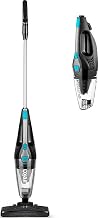
Take the rug outdoors only if it is manageable and the weather is dry. Otherwise, leave it in place and vacuum slowly. Use suction rather than a rotating brush whenever possible; a powerhead can fuzz wool, catch fringe, or pull at a loose loop. Vacuum both sides of a reversible rug, then clean the floor underneath before replacing it.
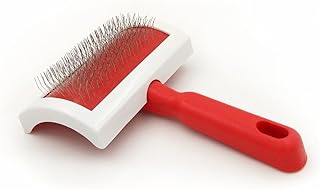
Work in overlapping passes, following the direction of the pile. For a shag or sheepskin rug, lift surface debris gently rather than repeatedly dragging a vacuum head through the fibers. A sheepskin brush, such as the CleanSheep Sheepskin Cleaning Brush for Rugs & Throws or the MetU Sheepskin Rug Brush, can separate matted fleece with less snagging than a stiff household brush. Brush in small sections and stop if fibers begin to shed excessively.
3. Treat Spots With Minimal Moisture
Act quickly, but do not scrub. Blot liquid spills with white towels, working from the outside toward the center to prevent spreading. For thicker spills, lift solids with a spoon or blunt edge. Keep changing to a dry section of towel until no more moisture transfers.
Before using any detergent, test it on an inconspicuous area and allow the patch to dry completely. Wool dislikes alkaline products, bleach, and strong solvents. For a washable wool item or a carefully controlled hand-cleaning treatment, Outback Gold Wool Wash is a useful option because it is unscented, enzyme-free, plant-based, and pH neutral. Dilute it exactly as directed; more soap does not mean better cleaning and can leave a sticky residue that attracts soil.
Apply the diluted solution to a cloth rather than pouring it onto the rug. Dab the mark, then blot with a separate cloth lightly dampened with clean water. The goal is to remove the stain and detergent without wetting the backing. Never use hot water, steam, or a hair dryer on high heat.
4. Choose a Low-Moisture Method for Broader Cleaning
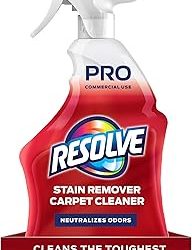
For a lightly soiled rug that is colorfast and in sound condition, a carpet foam can offer a more controlled alternative to soaking. Products such as Bissell Woolite Advantage Heavy Traffic Carpet Foam 4 Pack, 3320, and BISSELL Woolite Advantage Carpet & Upholstery Cleaner 4 Pack, 3325 should be used only after checking the label and testing for color transfer. Follow the product’s application and drying directions rather than improvising with extra water.
Dry-cleaning powder is another option for surface soil and odor. Capture Carpet & Rug Dry Cleaner Carpet Deodorizer & Freshener Powder is worked into the pile and later vacuumed away, so it avoids saturating the rug. It is best suited to rugs that need freshening rather than removal of a deep, water-soluble stain. Use a measured amount, ventilate the room, and vacuum thoroughly so powder does not remain trapped at the base.
5. Dry the Rug Fully and Evenly
Drying is as important as cleaning. Elevate the rug slightly to allow air beneath it, improve ventilation with fans, and keep furniture off the damp area. Turn the rug once or twice if its construction allows. Do not fold or roll it while wet, and do not place it in direct, intense sunlight, which can promote uneven fading or distortion.
Check the rug’s backing and the floor beneath it several hours later. A wool surface can feel dry while the underside remains damp. If you notice a musty smell, rippling, color migration, or a backing that feels soft, stop using the rug until it is fully dry and seek professional advice.
Tips
- Vacuum regularly with suction-only settings; frequent gentle cleaning is safer than occasional aggressive cleaning.
- Keep white towels on hand for spills, since colored cloths can transfer dye when damp.
- Never mix cleaning products, especially detergents with bleach, ammonia, or acidic spot removers.
- Rotate the rug every few months to distribute foot traffic and sunlight exposure.
Frequently Asked Questions
Can I use a carpet cleaner machine on a wool rug?
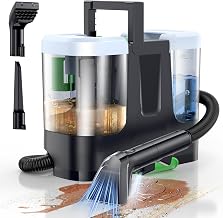
Usually, not without confirming the rug manufacturer’s instructions. Extraction machines can leave wool and the backing too wet, while heat and strong agitation may cause shrinkage, dye bleeding, or distortion. If a machine method is approved, use the lowest suitable moisture setting and extract slowly.
How often should I deep-clean a wool rug?
There is no universal schedule. Vacuum as needed, spot-clean promptly, and consider deeper cleaning every one to three years in an average home. Entryways, homes with pets, and high-traffic rooms may need more frequent attention, but visible wear or odor is a better signal than the calendar.
How do I clean a sheepskin rug?
Start by shaking or vacuuming gently, then brush the fleece with a sheepskin brush. For washing, use only a product specifically labeled for sheepskin or wool, such as a pH-neutral wool wash, and follow the hide manufacturer’s directions. Avoid soaking unless the care instructions explicitly permit it; dry the rug flat and reshape it while damp.
What should I do if the colors bleed?
Stop immediately and blot without rubbing. Keep wet sections from touching one another, and increase airflow. Do not add more water in an attempt to “rinse” the color out. Dye bleeding often requires professional treatment, particularly on hand-dyed or antique rugs.
Conclusion
The best way to clean a wool rug is to remove dry soil gently, treat spills with restrained moisture, use a wool-safe product only after testing, and dry the rug completely. Foam or dry powder can help with suitable, stable rugs, while valuable, fragile, or deeply soiled pieces deserve professional care. A light touch protects both the fibers and the rug’s useful life.