Key takeaways
- Grip without over-gripping: On carpet, a pad should reduce sliding and lateral creep without bonding aggressively to carpet fibers or leaving a difficult-to-remove residue. A textured or rubberized underside can help, but compatibility still matters.
- Match the pile: Low-pile carpet usually needs a thinner, firmer pad. Plush carpet can absorb some movement on its own, while a very thick cushion may make the rug feel unstable rather than secure.
- Control compression: Dense felt spreads the load from tables, chairs, and feet. It should compress gradually instead of collapsing into thin spots, which helps the rug remain flatter over time.
- Check clearances: Measure doors, thresholds, and furniture legs before choosing a thick pad. A quarter-inch model is often easier to integrate, while half-inch cushioning is better suited to open areas with generous clearance.
- Prioritize ventilation and care: A pad that can be lifted, trimmed, and inspected is easier to maintain. Periodically check for trapped grit or moisture, particularly in rooms near exterior doors, kitchens, and bathrooms.
What's inside
Area rugs on carpet can look settled at first, then develop ripples, creep underfoot, or bunch at the edges after a few weeks of traffic. The wrong pad can also add too much height, make doors drag, trap moisture, or create an unstable, springy feel beneath furniture.
This guide evaluates rug pads from an ergonomics-and-durability perspective: how well each controls movement, distributes pressure, protects the carpet below, and preserves a comfortable walking surface. We also consider thickness, material, trimming flexibility, and where each design makes the most sense in a real home.
As an Amazon Associate we earn from qualifying purchases.


How to Choose a/an Rug Pad For Carpeted Floors (2026)
- Grip without over-gripping: On carpet, a pad should reduce sliding and lateral creep without bonding aggressively to carpet fibers or leaving a difficult-to-remove residue. A textured or rubberized underside can help, but compatibility still matters.
- Match the pile: Low-pile carpet usually needs a thinner, firmer pad. Plush carpet can absorb some movement on its own, while a very thick cushion may make the rug feel unstable rather than secure.
- Control compression: Dense felt spreads the load from tables, chairs, and feet. It should compress gradually instead of collapsing into thin spots, which helps the rug remain flatter over time.
- Check clearances: Measure doors, thresholds, and furniture legs before choosing a thick pad. A quarter-inch model is often easier to integrate, while half-inch cushioning is better suited to open areas with generous clearance.
- Prioritize ventilation and care: A pad that can be lifted, trimmed, and inspected is easier to maintain. Periodically check for trapped grit or moisture, particularly in rooms near exterior doors, kitchens, and bathrooms.
The Best Rug Pad For Carpeted Floors (2026)s Reviewed
RUGPADUSA Dual Surface Felt + Rubber Rug Pad
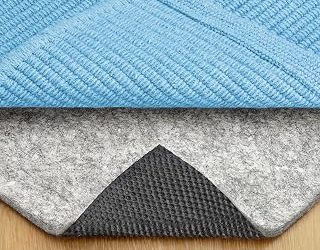
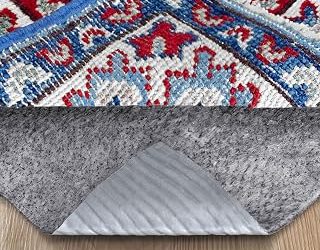
This 1/4-inch Dual Surface pad combines a cushioning felt layer with a rubberized non-slip backing, giving it a useful balance of softness and positional control. It is a strong all-around choice for living rooms and dining areas where the rug needs to resist creeping but should not create a high step or interfere with nearby doors.
RUGPADUSA Eco-Plush 1/2-Inch Felt Rug Pad
Eco-Plush is the comfort-first option, with a thicker 100% felt construction that noticeably softens footfall and spreads pressure beneath the rug. Its extra height is best reserved for open-plan spaces with ample clearance; on thick carpet, the combination may feel too yielding for rolling chairs or heavily used walkways.
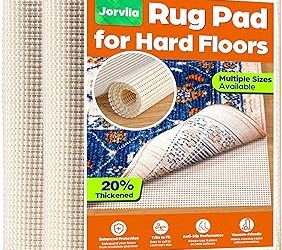
Jorvila Non-Slip Rug Pad Gripper
Jorvila’s 8-by-10-foot gripper is designed for buyers who want a cushioned layer with anti-skid assistance and basic floor protection. Its appeal is practical rather than refined: it can help reduce everyday rug drift, though users should verify that the pad’s thickness and surface texture suit their particular carpet pile.
RUGPADUSA Basics 1/4-Inch Felt Rug Pad
The Basics pad uses 100% felt to add a stable cushioning layer without the bulk of a plush pad. It is a sensible pick when pressure distribution and carpet protection matter more than maximum grip, especially beneath a rug anchored by a sofa, bed, or substantial coffee table.
Jorvila Non-Slip Rug Pad Gripper for Area Rugs
This Jorvila gripper is another straightforward solution for an area rug that shifts during normal walking. Its thick cushioned format may improve comfort and reduce bunching, but careful sizing is important: the pad should sit slightly inside the rug perimeter so it does not telegraph a raised outline or catch shoes.
Frequently Asked Questions
Do rug pads work on carpeted floors?
Yes, but the result depends on the carpet’s pile, density, and condition. A pad can reduce lateral movement and help the rug lie flatter, yet a very thick pad on plush carpet may increase bounce instead of improving stability.
What thickness is best for a rug over carpet?
A 1/4-inch pad is the safest starting point for most rooms because it adds cushioning while limiting height. A 1/2-inch felt pad can be more comfortable in open spaces, provided doors and furniture clearances are not issues.
Should the rug pad be the same size as the rug?
No. Trim the pad so it is slightly smaller than the rug on every side, commonly by about one to two inches. This keeps the pad hidden, prevents edge exposure, and reduces the chance of creating a noticeable ridge around the rug.
How often should a rug pad be checked?
Inspect it whenever you deep-clean the rug or at least once or twice a year. Lift the rug to remove grit, look for moisture or discoloration, and confirm that the pad has not shifted, curled, or compressed unevenly.
Final Thoughts
For the broadest mix of grip and cushioning, the RUGPADUSA Dual Surface is the strongest starting point. Choose RUGPADUSA Eco-Plush when comfort and pressure relief lead the priority list, or RUGPADUSA Basics when you want low-profile felt cushioning beneath a rug that is already well anchored by furniture.