Key takeaways
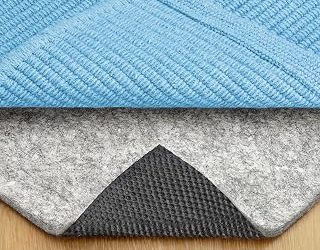
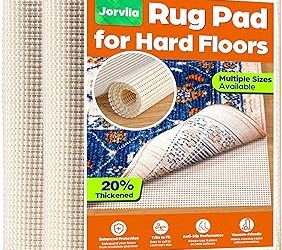
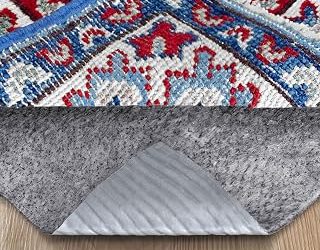
- Use a washable rug pad when appropriate; it reduces sliding, cushions footfall, and limits soil reaching the backing.
- Keep a portable cleaner accessible for immediate spills, but store its hose and tanks dry to prevent mildew.
- Use furniture sliders or get a second person to move heavy furniture; do not twist while lifting a wet rug or loaded machine.
- Vacuum high-traffic zones regularly so deep cleaning can remain occasional rather than corrective.
What's inside
Cleaning an area rug well is not simply a matter of adding more water or scrubbing harder. Excess moisture can distort backing, loosen adhesives, wick stains back to the surface, and leave a rug damp long enough to develop an odor. The safest method depends on the rug’s fiber, construction, backing, size, and how easily you can move it for drying.
This guide explains a practical, low-strain process for routine cleaning and spot treatment, with durability in mind. You’ll learn how to inspect a rug before washing it, choose between a vacuum, portable extractor, or full-size carpet cleaner, remove soil without damaging fibers, and dry the rug thoroughly. The recommendations favor equipment that is manageable to lift, maneuver, and store.
As an Amazon Associate we earn from qualifying purchases.




Our Recommended Picks
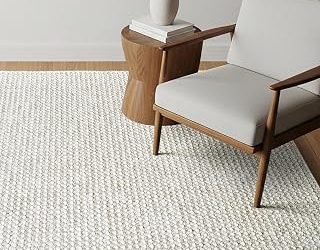
For a washable, low-profile option, the CHAMPLANT Washable Area Rug Vintage 6’x9′ Light Traditional Floor Rug is designed for everyday rooms where spills are likely. Its thin construction is easier to handle than a dense, oversized rug, but it still needs careful drying and a flat, clean surface after washing.
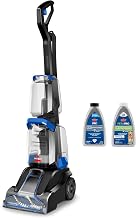
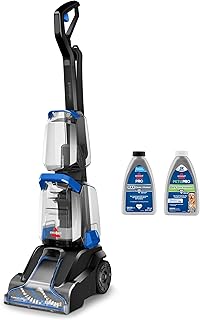
The BISSELL TurboClean Upright Carpet Cleaner 3952 is a sensible choice when a larger rug or several floor coverings need deeper extraction. Its upright format reduces the need to work bent over, although its weight and turning radius make it better suited to open floors than tight spaces. The Hoover PowerDash Pet Compact Carpet Cleaner is a lighter alternative with HeatForce drying, useful when storage and maneuverability matter more than tank capacity.
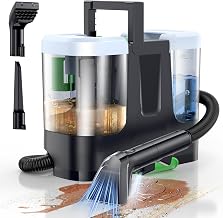
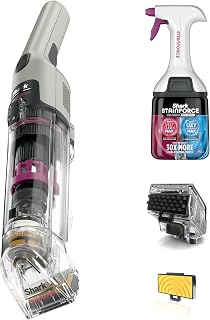
For isolated stains, the Shark StainStriker Portable Spot & Stain Cleaner PX221 offers a compact hose-and-tool setup for rugs, upholstery, and car interiors. The cordless Shark StainForce HX095 is convenient for quick response to small spills, particularly where carrying a corded machine would be awkward. A Carpet Cleaner Machine H6 with 18Kpa suction and dual water tanks may appeal to shoppers who want a highly portable spot cleaner, but check its handle height and tank weight before committing to frequent use.
1. Identify the Rug Before Adding Water
Read the care label first. Machine-washable cotton, polyester, and many synthetic flatweaves generally tolerate more moisture than wool, viscose, jute, sisal, silk, or rugs with glued or latex-backed components. If the label is missing, inspect the underside and test an inconspicuous corner with a barely damp white cloth. Color transfer, bleeding, a tacky backing, or a strong fiber reaction means you should stop and use a professional cleaner or a manufacturer-approved method.
Also consider size and ergonomics. A 6-by-9-foot rug can become surprisingly heavy when wet. Do not plan to lift it alone into a bathtub or over a railing. For large rugs, clean in place with controlled moisture, or arrange two-person handling and a drying area before you begin.
2. Remove Dry Soil First
Vacuum both sides when the construction allows it. Start with the underside to loosen grit trapped near the backing, then turn the rug over and vacuum the face slowly in overlapping passes. Use suction without a rotating brush on fringe, loops, antique surfaces, and delicate pile. Dirt acts like fine sandpaper under foot traffic; removing it before wet cleaning is one of the most effective ways to preserve appearance.
Move furniture safely rather than dragging it across the rug. Clear a wide route for the cleaning machine, keep the cord behind your working shoulder, and adjust the handle so you can push with an upright posture instead of bending from the waist.
3. Treat Stains With the Least Aggressive Method
Blot fresh liquid with white towels, pressing straight down and replacing the towel as it becomes damp. Avoid rubbing, which spreads the stain and can fuzz the surface. For solids, lift from the edge with a spoon or dull card. Apply a small amount of rug-safe solution to a cloth rather than flooding the rug directly, then work from the outside of the mark toward its center.
Do not combine cleaning chemicals. In particular, never mix bleach, ammonia, vinegar, or peroxide-based products. Test the selected formula for colorfastness, and follow the machine manufacturer’s dilution instructions. Enzyme products can help with some organic odors, but they are not automatically safe for wool, silk, natural dyes, or every backing material.
4. Extract Rather Than Saturate
When the rug is approved for wet cleaning, use the fewest wet passes that achieve coverage. Apply solution on a slow forward pass, then make one or more slower extraction passes without dispensing additional liquid. The goal is damp fibers, not a waterlogged backing. A portable spot cleaner is easier to control around furniture and on small rugs; an upright extractor is more efficient for broad, open areas.
Clean the machine’s tanks, brush, hose, and recovery path immediately afterward. Residue left inside the equipment can create odors and transfer old soil during the next session. On thick or absorbent rugs, pause periodically to check whether moisture is collecting underneath.
5. Dry the Rug Completely
Drying is a durability step, not an afterthought. Raise the rug on a clean drying rack only if its weight will not stretch the fabric, or lay it flat with air moving above and below it. Open windows when outdoor humidity is low, run fans across—not directly down into—the rug, and keep furniture off until the backing is fully dry. Flip a reversible rug once the upper surface is no longer wet.
Check the underside, edges, and areas beneath furniture. If any part feels cool, clammy, or smells musty, continue drying. Never put a damp rug back onto wood flooring, because trapped moisture can damage both the rug and the floor finish.
Tips
- Use a washable rug pad when appropriate; it reduces sliding, cushions footfall, and limits soil reaching the backing.
- Keep a portable cleaner accessible for immediate spills, but store its hose and tanks dry to prevent mildew.
- Use furniture sliders or get a second person to move heavy furniture; do not twist while lifting a wet rug or loaded machine.
- Vacuum high-traffic zones regularly so deep cleaning can remain occasional rather than corrective.
Frequently Asked Questions
Can I clean every area rug with a carpet cleaner?
No. Machine cleaning is usually inappropriate for many wool, silk, viscose, jute, sisal, antique, hand-knotted, and adhesive-backed rugs. Follow the care label and test for bleeding before using water or detergent. When the construction is uncertain, professional cleaning is the lower-risk choice.
How often should an area rug be deep cleaned?
Most rugs benefit from thorough vacuuming weekly or more often in busy homes. Deep cleaning may be needed every 12 to 18 months, with spot treatment as necessary. Homes with pets, allergies, children, or heavy entryway traffic may need more frequent attention, but over-wetting is not a substitute for regular dry soil removal.
Why does a stain come back after cleaning?
Many recurring marks are caused by wicking: moisture draws dissolved soil from the backing back toward the surface as the rug dries. Use less solution, make extra extraction passes, and dry the rug faster. A stain can also return if the original substance remains below the visible pile.
Should I use hot water?
Only when the rug and machine instructions permit it. Warm water can improve soil removal, but excessive heat may shrink natural fibers, soften adhesives, or set some stains. Never exceed the cleaner’s recommended temperature or detergent concentration.
Conclusion
The best way to clean an area rug is controlled, material-appropriate cleaning followed by complete drying. Start with inspection and vacuuming, treat stains gently, extract rather than saturate, and choose equipment you can maneuver without straining your back. A washable rug for easy-care spaces, a full-size extractor for broad cleaning, or a portable spot cleaner for quick spills can each be the right investment when matched to the rug and the job.