Key takeaways
- Vacuum slowly in both directions before wet cleaning; extraction machines are not a substitute for removing loose grit.
- Blot fresh spills with a clean towel instead of rubbing, which can spread the stain and roughen carpet fibres.
- Work in small sections and overlap passes slightly so dirty lanes are not left between cleaning tracks.
- Increase airflow with open windows or fans, but keep foot traffic off the carpet until it is fully dry.
What's inside
The best carpet cleaner on the market in 2026 is not necessarily the machine with the most dramatic suction claim or the longest feature list. It is the one that fits your flooring, cleaning frequency, storage space, and physical tolerance for filling, carrying, pushing, and rinsing equipment. A poorly balanced cleaner can turn a routine job into a back strain, while a machine that leaves carpets wet can create odours, browning, or mildew concerns.
This guide evaluates carpet cleaners from an ergonomics-and-durability perspective. You will learn how to match machine type to the mess, assess handling and maintenance, judge drying performance realistically, and choose useful accessories without paying for features you will rarely use.
As an Amazon Associate we earn from qualifying purchases.



Recommended picks
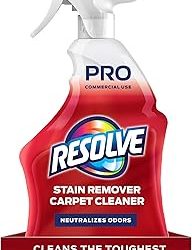
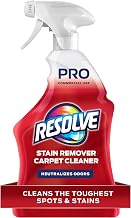
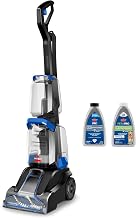
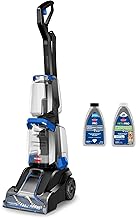
Our recommended picks cover the main household use cases. The Hoover PowerScrub Deluxe is a sensible full-size option with SpinScrub brushes, upholstery tools, and HeatForce drying. The BISSELL TurboClean Upright is aimed at straightforward whole-room cleaning and includes an OXY-based cleaning system. For isolated spills, Resolve Professional Strength Spot and Stain Carpet Cleaner is a practical solution rather than an appliance. The BISSELL ProHeat 2X Revolution Pet Pro Plus adds stronger pet-focused cleaning capability, a hose, and a pet upholstery tool, although its larger format demands more storage and handling effort.
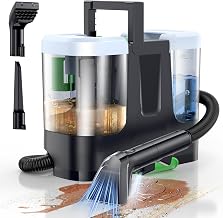
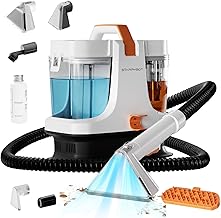
For stairs, vehicles, sofas, and quick response to accidents, the BISSELL Little Green Multi-Purpose Portable Carpet Cleaner remains a versatile compact choice. The Starrybot Upholstery Cleaner Machine, with advertised 18Kpa suction, is another portable spot-cleaning option for carpets, upholstery, car interiors, and pet stains. Treat suction figures as one data point only: nozzle design, airflow, brush action, and how well the dirty-water tank seals all affect real-world results.
Choose the right cleaner format
Upright extractors are best for larger carpeted areas because their wider cleaning heads reduce the number of passes. They generally hold more water, but they are heavier when full and can be awkward on stairs. A portable extractor is easier to lift, store, and position on upholstery or in a car, though its smaller tank may require frequent refilling. A spray bottle such as Resolve is ideal for a fresh, limited stain, but it cannot rinse and recover dissolved soil as thoroughly as an extractor.
Before buying, measure your storage space and consider the route from the sink to the room. A machine that barely fits in a cupboard, has a short hose, or must be carried up stairs may be used less often than a smaller, more convenient model.
Assess ergonomics before power
Look for a handle that keeps your wrists fairly neutral, controls that are reachable without bending, and wheels that roll smoothly over your floor. A useful cleaner should not require excessive downward force. Pay attention to the weight with both tanks filled, not just the empty shipping weight. A well-designed tank handle and a separate carry grip make a noticeable difference when navigating steps or emptying dirty water.
Hose placement matters too. A hose that kinks, pulls the machine sideways, or is difficult to reconnect slows the job and encourages rushed movements. For upholstery work, a tool with a comfortable trigger and broad contact surface is easier on the hand than a narrow nozzle that demands repeated squeezing.
Prioritise drying and carpet safety
Cleaning performance is only half the outcome. Carpets should be left damp, not saturated. Excess moisture lengthens drying time and can encourage musty smells, especially over dense underlay. Features such as HeatForce may help move moisture from the carpet surface, but ventilation and extraction technique remain more important than marketing terminology.
Use slow, controlled wet passes followed by several dry passes with the spray trigger released. Test the solution on an inconspicuous area first, particularly on wool, viscose, antique, hand-dyed, or strongly coloured rugs. Always follow the carpet manufacturer’s care instructions; some materials should be professionally cleaned rather than wet-extracted at home.
Examine maintenance and long-term durability
After every use, empty and rinse the recovery tank, clean the nozzle, and flush solution from the hose where the instructions allow. Hair and carpet fibres can wrap around rotating brushes, increasing resistance and motor load. Removable brush rolls and accessible filters make preventive maintenance less frustrating and can extend usable life.
Durability also depends on how a machine is stored. Do not leave dirty water standing in the tank, and allow components to air-dry before reassembly. Check whether replacement belts, brushes, tanks, and hoses are available. A slightly less powerful cleaner with replaceable wear parts may offer better ownership value than a high-powered model that becomes impractical after one damaged component.
Use cleaning formulas carefully
Choose a formula labelled for your machine and carpet type. More detergent is not better: residue can attract soil and leave fibres stiff or tacky. Pet formulas, including the OXY Urine Eliminator supplied with the BISSELL TurboClean package, can be useful for organic stains, but they still require correct dilution and thorough extraction. Never mix carpet chemicals, especially products containing bleach, ammonia, or strong disinfectants.
Tips
- Vacuum slowly in both directions before wet cleaning; extraction machines are not a substitute for removing loose grit.
- Blot fresh spills with a clean towel instead of rubbing, which can spread the stain and roughen carpet fibres.
- Work in small sections and overlap passes slightly so dirty lanes are not left between cleaning tracks.
- Increase airflow with open windows or fans, but keep foot traffic off the carpet until it is fully dry.
Frequently Asked Questions
How often should I use a carpet cleaner?
Most homes benefit from deep extraction once or twice a year, with additional cleaning in high-traffic or pet areas. Over-cleaning can keep carpet unnecessarily wet and may accelerate wear. Vacuuming and prompt spot treatment should handle routine maintenance.
Is a portable carpet cleaner better than an upright?
Neither format is universally better. A portable machine is easier to lift and is usually more convenient for furniture, stairs, and cars. An upright covers rooms faster and normally offers a larger tank and wider brush head. Choose according to the areas you actually clean.
Can I use a carpet cleaner on a sofa?
Only if the upholstery care label permits water-based cleaning. Test a hidden area, use a suitable upholstery tool, avoid flooding seams, and extract as much moisture as possible. Some fabrics, including certain velvets and natural fibres, may require specialist care.
Why does my carpet still smell after cleaning?
Odour can come from remaining moisture, detergent residue, a contaminated recovery tank, or contamination below the carpet surface. Improve ventilation, rinse according to the manufacturer’s instructions, and allow complete drying. Persistent pet odours may need professional treatment or replacement of affected underlay.
Conclusion
The best carpet cleaner on the market is the one that delivers adequate extraction without becoming a storage, lifting, or maintenance burden. Select an upright such as the Hoover PowerScrub Deluxe or BISSELL ProHeat 2X Revolution Pet Pro Plus for larger jobs, a portable Little Green or Starrybot for targeted cleaning, and a product such as Resolve for quick spot response. Match the tool to the carpet, use measured solution, extract patiently, and prioritise complete drying for cleaner-looking floors and longer equipment life.