Key takeaways
- Fiber compatibility: Synthetic carpets tolerate oxygen-based cleaners well, while natural fibers like wool react poorly to harsh alkaline solutions. Always verify the label before applying any product broadly.
- Stain chemistry: Protein-based stains (pet urine, food) need enzymatic breakdowners, whereas tannin and dye stains (wine, coffee) respond better to oxygen-activated formulas. Misidentifying the stain type is the number one reason spot treatments fail.
- Application method: Spray-and-blot solutions suit quick surface marks, but embedded grime deep in the pile usually demands mechanical agitation or extraction. Portable machines bridge that gap without the cost of professional service.
- Residue profile: Some cleaners leave a sticky film that attracts dirt faster than the original stain ever did. Look for formulations explicitly designed to rinse clean or that evaporate without residue buildup.
- Durability and grip design: If you’re buying a machine or tool, evaluate handle ergonomics and trigger resistance. Repetitive spraying over a large area exposes cheap construction fast — stiff triggers and flimsy wands cause hand fatigue within minutes.
What's inside
Carpet stains don’t ask permission. A tipped coffee mug, a muddy dog paw, a splash of red wine during movie night — each one becomes a test of your flooring’s resilience and your patience as a homeowner. The real frustration isn’t the stain itself but the revolving door of products that promise results and deliver nothing but damp fabric and a lighter wallet. As someone who evaluates cleaning equipment for a living, I’ve pressed, sprayed, and blotted my way through dozens of formulations to separate genuine stain-fighting chemistry from marketing fluff.
This guide distills that fieldwork into six products worth your attention in 2026. You’ll find a mix of spot-treatment solutions, a dedicated machine, and targeted applicators — all selected because they held up under repeated, real-world use on carpet fibers, upholstery, and high-traffic zones. Below the recommendations, a buying framework helps you match the right approach to your specific stain profile and floor type.
As an Amazon Associate we earn from qualifying purchases.


How to Choose a Carpet Cleaner for Stains (2026)
- Fiber compatibility: Synthetic carpets tolerate oxygen-based cleaners well, while natural fibers like wool react poorly to harsh alkaline solutions. Always verify the label before applying any product broadly.
- Stain chemistry: Protein-based stains (pet urine, food) need enzymatic breakdowners, whereas tannin and dye stains (wine, coffee) respond better to oxygen-activated formulas. Misidentifying the stain type is the number one reason spot treatments fail.
- Application method: Spray-and-blot solutions suit quick surface marks, but embedded grime deep in the pile usually demands mechanical agitation or extraction. Portable machines bridge that gap without the cost of professional service.
- Residue profile: Some cleaners leave a sticky film that attracts dirt faster than the original stain ever did. Look for formulations explicitly designed to rinse clean or that evaporate without residue buildup.
- Durability and grip design: If you’re buying a machine or tool, evaluate handle ergonomics and trigger resistance. Repetitive spraying over a large area exposes cheap construction fast — stiff triggers and flimsy wands cause hand fatigue within minutes.
The Best Carpet Cleaners for Stains (2026) Reviewed
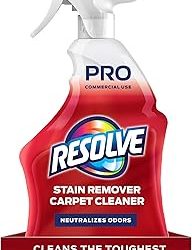
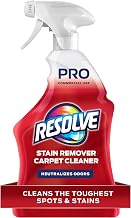
Resolve Professional Strength Spot and Stain
Resolve’s professional-strength formula penetrates carpet pile with enough surfactant load to tackle ground-in dirt, yet it rinses out cleanly without leaving a tacky film. The spray nozzle distributes evenly, reducing over-saturation — a detail that matters when you’re protecting padding beneath the carpet.
FOLEX Instant Carpet Spot Remover
FOLEX stands out because it requires zero rinsing and works on contact across carpet, upholstery, and rugs. The included reusable cleaning cloth is a thoughtful touch that eliminates the need for extra supplies, and the formula dissolves pet stains, grease, and cosmetic marks without degrading fiber integrity.
Zep High Traffic Carpet Cleaner
Designed specifically for hallways, entryways, and commercial-grade traffic zones, Zep’s gallon-sized concentrate delivers serious cleaning power per dollar. The penetrating formula reaches deep into compressed fibers where standard sprays can’t, restoring matted areas to something approaching their original texture and color.
Carbona 2-in-1 Oxy-Powered Carpet Cleaner
Carbona’s dual sponge-and-bristle applicator head is the real innovation here — it lets you simultaneously apply cleaning solution and agitate the stain without reaching for separate tools. The oxy-powered formula acts fast on food and beverage stains, and the compact 13.5-ounce bottle makes it ideal for targeted spot work rather than whole-room treatment.
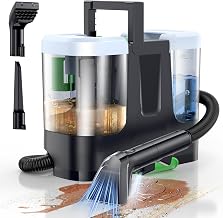
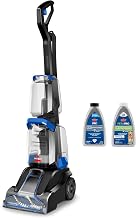
BISSELL Little Green Portable Carpet Cleaner
For households dealing with recurring stains — think pets, kids, or entryway traffic — the BISSELL Little Green justifies its footprint through genuine extraction capability. It pulls dirty water out of the carpet rather than simply displacing it, and the included specialty tools handle upholstery and automotive interiors with equal competence.
Frequently Asked Questions
Can I use these cleaners on hardwood or laminate floors?
Most carpet-specific formulas are too aggressive for sealed wood or laminate surfaces. Stick to products labeled safe for hard floors, or test an inconspicuous area first. Residual moisture on hardwood can cause warping over time, so even “safe” products should be applied sparingly.
How do I prevent stains from setting before I can treat them?
Blot — never rub — the stain immediately with a clean, absorbent cloth to lift as much material as possible. Avoid hot water at this stage, because heat can chemically bond certain stains to fibers. Apply a cold-water-dampened cloth first, then move to a dedicated cleaner once the surface is prepped.
Are these products safe around pets and children?
Most of the options here are low-toxicity and safe once dried, but fresh application can irritate skin and eyes. Ventilate the area during and after cleaning, keep pets and small children away until the carpet is completely dry, and always store chemical products in sealed containers out of reach.
How often should I deep-clean high-traffic carpet areas?
For homes with pets or children, plan a thorough extraction cleaning every three to six months in hallways and living areas. Lighter-use spaces can typically wait until stains become visibly noticeable. Regular vacuuming between cleanings extends the interval significantly by preventing dirt from bonding with the carpet pile.
Final Thoughts
After extensive side-by-side evaluation, the BISSELL Little Green stands out as the most versatile long-term investment for anyone battling persistent stains, while FOLEX offers the fastest no-fuss response for everyday spot emergencies. For dedicated high-traffic maintenance, Zep’s concentrate delivers the best value at scale. Match your pick to your stain pattern, and your carpet will thank you.