Key takeaways
- Use filtered or low-mineral water when practical; it can improve taste and reduce scale buildup.
- Keep the basket clean and dry between extended periods of nonuse rather than leaving meltwater standing.
- Do not judge capacity by the first cycle. Allow the machine to reach normal operating temperature before assessing its output.
- Use a dedicated scoop and wash it regularly to reduce hand contact with fresh ice.
What's inside
A nugget ice maker is a small appliance, but it can have an outsized effect on a kitchen’s comfort and daily workflow. These machines draw water, generate vibration and heat, and often live on a countertop that was designed for much quieter equipment. The best choice is therefore not simply the one with the highest advertised output. It should be easy to fill, comfortable to operate, stable during a cycle, simple to clean and durable enough to justify the space it occupies.
This guide evaluates countertop nugget ice makers from an ergonomics-and-durability perspective. You’ll learn how to compare ice texture, capacity, noise, controls, cleaning systems, water access and portability, followed by practical buying advice for everyday kitchens, home offices, entertaining and occasional travel.
As an Amazon Associate we earn from qualifying purchases.


🛒 Best Price Today on Amazon
Prime members get fast, free shipping on everything above, plus member-only deals. New members get a 30-day free trial — cancel anytime.
Start With Ice Texture and Realistic Output
Nugget ice, sometimes called pellet or pebble ice, is softer and more chewable than conventional crescent or bullet-shaped ice. That texture is the main reason to buy one, so confirm that a machine is specifically described as a nugget or sonic ice maker rather than merely a crushed-ice appliance. “Crushed” can mean ice that has been broken after freezing, which is not the same as compressed, chewable nuggets.
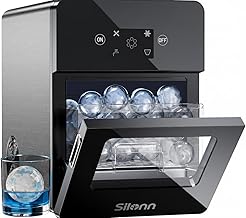
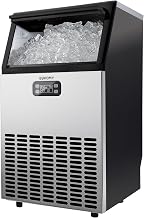
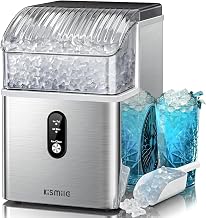
Daily production figures are useful for comparison, but they are not a promise that the machine will continuously hold that amount. Room temperature, water temperature, ventilation and the frequency of opening the lid all affect output. Models such as the Kismile Nugget Ice Maker Countertop and Silonn 40-pound self-dispensing model are sensible for regular household use. Higher-output machines, including the 44-pound EUHOMY and Silonn models, are better suited to gatherings, provided you have enough counter and storage space.
Measure the Human Factors, Not Just the Cabinet
Before buying, measure the intended footprint and the clearance above it. A countertop ice maker needs room for ventilation and for you to lift a lid, remove a basket or reach a water reservoir. A machine that fits tightly beneath a cabinet may be frustrating to refill and may run warmer than intended. Keep it away from ovens, radiators and direct sun.
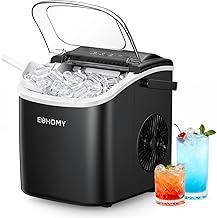
Controls should be readable at a glance, with buttons that do not require excessive pressure. A front-facing water tank, such as the one on the Silonn 44-pound model, can reduce awkward reaching when the machine sits beneath cabinets. A handle can make a smaller unit, such as the EUHOMY 34-pound model, easier to relocate, but portability is only useful if the appliance is light enough to carry safely when empty. Never move a filled machine by its lid or ice basket.
Prioritize Cleaning Access and Water Management
Ice makers repeatedly handle standing water, so cleaning access matters more than a glossy exterior. Look for a removable basket, accessible water-contact surfaces and a clearly marked self-cleaning cycle. Self-cleaning reduces routine effort, but it does not eliminate the need to wipe surfaces, rinse the reservoir and dry the machine periodically. Mineral-heavy water can leave scale even when a cleaning program is available.
Consider how you will fill and drain the unit. A top-fill reservoir is straightforward when the machine is in an open area; a front-access reservoir is more convenient in a crowded kitchen. The EUHOMY models with self-cleaning functions and included scoop and basket are practical for households that value a simpler setup. A removable cover, as found on the EUHOMY portable black model, can also improve access during cleaning and inspection.
Compare Noise, Heat and Stability
Noise is easy to overlook in a product listing and hard to ignore in a quiet room. Compressor cycling, water pumps and fan noise can be noticeable in an open-plan kitchen or home office. A quoted figure such as 43 dB for the Kismile suggests a relatively restrained design, but perceived sound also depends on the countertop. Hard stone and hollow cabinetry can amplify vibration.
Place the machine on a firm, level surface with a thin, non-slip mat if the manufacturer permits it. Avoid thick, soft padding that blocks ventilation or allows the appliance to rock. Leave the recommended clearance around vents, and remember that a machine producing ice also releases heat. If the unit will run near a desk, bedroom or dining area, quiet operation and stable feet deserve as much attention as production capacity.
Match Features to Your Routine
Automatic ice dropping, a visible ice level, a full-basket alert and an easy drain plug can save more effort than a dramatic increase in daily capacity. A self-dispensing Silonn model may be convenient for frequent drinks because it reduces contact with the basket and scoop. For occasional parties, the larger Silonn or EUHOMY units can provide useful reserve capacity, but you will still need a separate insulated container if you want ice to remain solid for several hours.
For an RV, camping setup or secondary location, choose a compact model with a handle and confirm the required electrical supply before traveling. The EUHOMY 34-pound portable unit is designed with that use case in mind. Stainless-steel finishes, featured on the Kismile and one EUHOMY 35-pound model, are easy to coordinate with many kitchens, though durability depends more on the internal components, drainage design and maintenance habits than on the outer finish.
Tips
- Use filtered or low-mineral water when practical; it can improve taste and reduce scale buildup.
- Keep the basket clean and dry between extended periods of nonuse rather than leaving meltwater standing.
- Do not judge capacity by the first cycle. Allow the machine to reach normal operating temperature before assessing its output.
- Use a dedicated scoop and wash it regularly to reduce hand contact with fresh ice.
Frequently Asked Questions
Is nugget ice the same as crushed ice?
No. Nugget ice is formed into small, porous pieces designed to be soft and chewable. Crushed ice is usually made by breaking harder cubes or pellets, so its texture, melt rate and mouthfeel can differ considerably.
How much counter space does a nugget ice maker need?
Allow more than the machine’s listed width and depth. You need clearance for ventilation, lid movement, water filling, basket removal and drainage. Check the manual for exact spacing, and avoid placing the unit flush against a wall or beneath a cabinet with insufficient overhead room.
Do countertop ice makers keep ice frozen?
Most countertop units are designed to make and temporarily hold ice, not to replace a freezer. Ice will gradually melt in the basket, and the machine may recycle the meltwater. For longer storage, transfer fresh nuggets to an insulated cooler or freezer-safe container.
Which capacity is best for a household?
A machine rated around 34 to 35 pounds per day is usually adequate for everyday drinks and small gatherings. Choose a 40- to 44-pound model if your household uses ice heavily or you entertain often. Treat those figures as laboratory-style comparisons rather than guaranteed hourly production.
Conclusion
The best nugget ice maker for 2026 is the one that fits your counter, noise tolerance and cleaning routine as comfortably as it fits your ice demand. Kismile’s quiet-focused design, EUHOMY’s range of portable and higher-output options, and Silonn’s dispensing and front-access features each suit different workflows. Measure first, prioritize water access and maintenance, and choose dependable ergonomics over headline capacity alone.