Our Top Picks
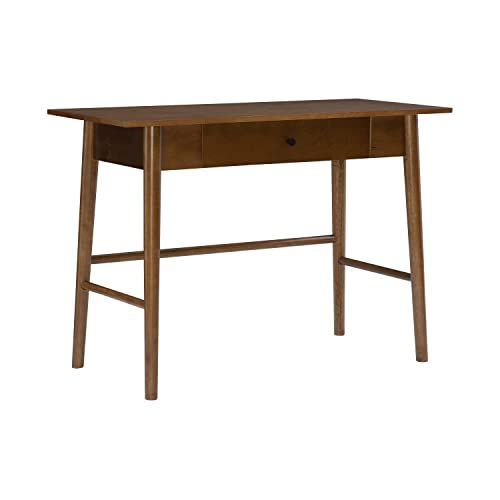 Melissa Mid Century Walnut Desk by Linon42"W x 19"D x 30"H19 x 42 x 30 inches37 PoundsCheck on Amazon
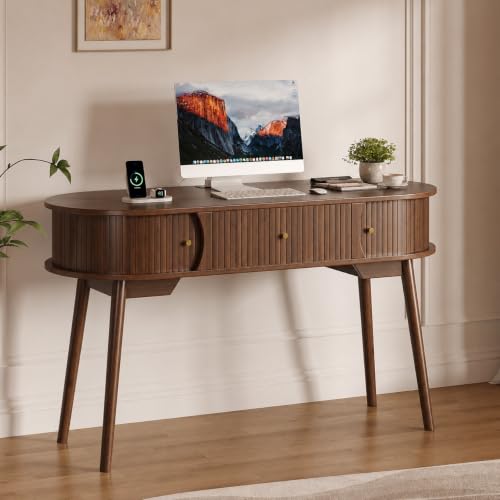 OneBlis 55" Mid Century Modern Computer Desk with55 Inch21.65 x 55.12 x 30.71 inches56.44 poundsCheck on Amazon
 SilkWood Studio Mesa 50" Wide Mid-Century Modern WoodCompact29.3 x 50 x 30.5 inches76 poundsCheck on Amazon
A mid century modern desk is the best choice for a modern home office when you need a compact footprint, warm wood tones, and clean tapered legs without sacrificing usable workspace. For most small spaces, look for a desk 42 to 48 inches wide, 20 to 24 inches deep, with a 29 to 30 inch height and at least one drawer for storage.
What Defines a Mid Century Modern Desk
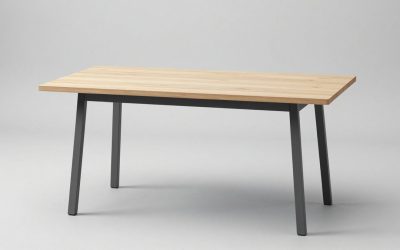
A true mid century modern desk borrows from 1950s-1960s design: rectangular top with rounded or beveled edges, splayed tapered legs, minimal ornamentation, and wood-first materials. Unlike industrial desks with bulky metal frames or farmhouse desks with distressed finishes, this style prioritizes visual lightness. That matters in a home office where you want the desk to look intentionally styled rather than purely utilitarian.

NELYE Mid-Century Long Desk Table, 63" W x 20" D, Walnut
Chosen because it specifies 63" W x 20" D and Walnut.
View on AmazonOneBlis 55" Mid Century Modern Computer Desk with Drawers and Charging Station, Fluted Wood Office Desk with Storage, Writing Desk with Sliding Tambour Doors for Home Office and Bedroom, Walnut
Chosen because it specifies Fluted Wood Office Desk with Storage and Walnut.
View on AmazonSilkWood Studio Mesa 50" Wide Mid-Century Modern Wood Desk with Drawers, Stylish Elevated Top Design, Solid Pine Wood Tapered Legs, Computer Desk for Home Office & Study, Walnut
Chosen because it specifies Stylish Elevated Top Design and Solid Pine Wood Tapered Legs.
View on AmazonMost options in 2026 fall into two silhouettes:
- Writing desk: Simple top, two to four tapered legs, one to three shallow drawers. Best for laptops and minimal paperwork.
- Executive / small credenza desk: Wider top (55-60 inches), integrated drawer pedestals or a central drawer bank, often with a slatted modesty panel. Better if you need daily file and supply storage.
Wood Finishes: How Color Changes the Whole Room
Finish is the fastest way to match or clash with existing furniture. Mid century palettes center on walnut, acacia, oak, and teak-inspired tones, but their undertones behave very differently under warm home lighting.
- Walnut (medium to dark brown): The classic mid century look. Hides minor dust and pairs well with black metal accents, cream walls, and brass hardware. Can darken a small room if paired with dark floors.
- Natural oak / white oak (light blonde): Makes a small office feel larger and brighter. Shows wood grain strongly. Works well in Scandinavian-leaning spaces but highlights scratches more than walnut.
- Acacia / teak finish (warm honey-brown): High contrast grain, very forgiving for daily use. Adds warmth without the weight of dark walnut.
- Two-tone (wood top + white or black drawer fronts): Visually breaks up a large desk block. Useful if you want to keep a walnut top but avoid a heavy look in a 10×10 ft room.
If your floors are dark walnut or espresso, choose a lighter desk to create contrast. If your floors are light oak or LVP, a walnut desk will anchor the room. For renters who cannot change flooring or wall color, a medium acacia is the safest all-rounder.
Leg Design and Stability: What Looks Light vs. What Holds Up
Tapered legs define the style, but the construction underneath determines wobble and weight capacity.
- Solid wood tapered legs (angled 10-15 degrees): Most authentic look. Stability comes from a stretcher rail or dovetailed apron connecting the legs. Without that rail, desks wider than 50 inches can rack side-to-side.
- Hairpin or thin metal legs: Keeps the footprint visually open and makes the desk easy to move. Less rigid for heavy setups like dual monitors on a clamp mount. Look for 1-inch diameter steel and a welded support bar.
- Splayed legs with metal ferrules / caps: Wood leg with brass or black metal foot. Adds durability where legs meet the floor and protects against scuffs.
Check clearance before you buy: allow 30 to 36 inches behind the chair for push-back, 20 to 24 inches knee clearance height under the apron, and at least 42 inches total depth from wall to chair back for comfortable movement. In a typical 10×12 ft bedroom office with a bed or bookcase on one wall, a 48-inch wide desk leaves about 60 to 72 inches for circulation, which is tight but workable if the desk depth stays at 22 inches or less.
Material and Construction Trade-Offs
Product listings rarely explain what you sacrifice between solid wood, engineered wood, and mixed-material builds. This table compares what actually matters for daily use.
| Construction Type | Typical Price Range | Weight Limit | Durability | Best For |
|---|---|---|---|---|
| Solid wood (walnut, oak, acacia) | usually $700–$1,400 | 100–150 lbs evenly distributed | Can be sanded and refinished; resists sagging; heavy to move (80–120 lbs assembled) | Long-term home office, wants heirloom piece |
| Engineered wood with wood veneer (MDF/particleboard core) | usually $250–$600 | 60–100 lbs | Susceptible to chipping at edges and swelling if wet; cannot refinish | Small apartments, renters, tight budgets |
| Engineered wood with laminate | usually $180–$400 | 50–80 lbs | Most scratch-resistant surface; looks less like real wood up close | Kids, pets, heavy daily wear |
| Solid wood top + metal frame | usually $400–$800 | 80–120 lbs | Very stable; metal resists warping; welds can loosen over years if moved often | Need stability for monitors without heavy visual bulk |
For drawer construction, look for dovetail joints and metal ball-bearing slides over glued butt joints and wood-on-wood slides. A center drawer should have at least 2.5 inches of interior height to hold a keyboard or notebooks, while side drawers at 4 to 6 inches deep are better for files.
Drawer Storage vs. Minimalism: How Much Storage Do You Actually Need
The biggest mistake is buying a desk with no storage to preserve the clean look, then adding mismatched rolling carts that crowd the room more than drawers would have.
- No drawers (parsons-style top): Maximum legroom, lightest visual footprint. Only works if you have a separate credenza or closet storage within reach.
- One to two shallow drawers: Ideal for most people. Holds pens, chargers, notebooks while keeping the profile under 6 inches tall at the apron, so knees stay comfortable for users up to 6’2″.
- Three to five drawers (including file drawer): Replaces a filing cabinet but adds 14 to 18 inches of width and 12 to 15 lbs of weight. Measure drawer extension: full-extension slides let you reach the back 4 inches that half-extension drawers waste.
If you work with paper daily, choose a desk with at least one file-compatible drawer (12 inches wide x 14 inches deep) or plan for a separate 15-inch wide file pedestal that tucks under a 30-inch high top.
Finding the Right Footprint for Small Spaces
Mid century modern desks are naturally compact, but dimensions still determine whether the room functions.
| Space Situation | Ideal Desk Size (W x D) | Clearance Needed | Chair Fit Note |
|---|---|---|---|
| Alcove or closet office (5–6 ft wide) | 36–42 x 20 inches | 30 inches behind chair, 24 inches side to wall | Use armless task chair or stool to save 4–6 inches width |
| 10×10 ft bedroom with bed/dresser | 42–48 x 20–22 inches | 36 inches from desk edge to bed for chair rollout | Avoid deep 30-inch desks; they block walkways |
| 10×12 ft dedicated office | 48–55 x 24 inches | 42–48 inches total depth from wall with chair | Fits most ergonomic chairs with arms |
| Open living room corner | 48–60 x 24 inches | 36 inches to sofa or traffic path | Choose open-leg design so floor remains visible |
Standard desk height is 29 to 30 inches, which pairs with a seat height of 17 to 19 inches and leaves 25 to 27 inches of knee space. If you are taller than 6’1″ or use a tall ergonomic chair, verify the apron-to-floor measurement is at least 24.5 inches to avoid knee contact.
Decision Matrix: Which Mid Century Modern Desk Fits Your Situation
| Your Situation | Recommended Configuration | Why It Works |
|---|---|---|
| Small apartment / renter who moves often | 42–48 inch veneer top, metal legs, 1–2 drawers | Weighs 45–65 lbs boxed, fits through 28-inch doorways, less damage to floors |
| Need to hide clutter, no closet nearby | 50–55 inch wood desk with 3 drawers + file drawer | Eliminates need for separate storage unit that eats floor space |
| Back pain / ergonomic priority | 48+ inch solid wood top, open under-desk, C-clamp mount compatible | Allows monitor arm and separate keyboard tray without drawer apron interfering |
| Kids and pets at home | Laminate or catalyzed veneer, rounded edges, metal-capped legs | Resists scratches, dents, and tip-overs better than solid softwood |
| Style-first living room office | Walnut or acacia, tapered solid wood legs, brass pulls, slatted back panel | Looks finished from all angles when floating in a room |
Assembly, Moving and What Wears First
Mid century desks almost always ship flat-pack in one box weighing 50 to 110 lbs. Solid wood models may ship in two boxes. Most require 30 to 60 minutes with two people; the critical step is attaching splayed legs while the desk is upside down on a blanket to avoid stripping angled hardware.
Measure your path: boxed length is often 48 to 60 inches, so check elevator, stairwell turns, and doorway width (standard interior door is 28 to 30 inches). Assembled desks do not disassemble cleanly a second time if the core is particleboard; cam locks loosen and veneer chips at screw points.
What wears first is not the top but the drawer slides and leg joints. Dust in slides causes sticking within a year if not wiped, and overloading a center drawer beyond 15 to 20 lbs will sag veneer bottoms. Felt pads under legs prevent the most common damage: fine scratches on hardwood or LVP from angled leg drag.
Final Fit Check Before You Buy
Use painter’s tape to outline the desk footprint on the floor and sit in your chair behind it. Confirm you can extend your elbows to 90 degrees with 3 to 4 inches between your torso and the desk edge, and that drawers open without hitting a wall or radiator. If the desk will hold two 24-inch monitors, you need at least 44 inches of width and 24 inches of depth to keep screens at a healthy 20 to 26 inch viewing distance without crowding the back edge.
A mid century modern desk works best when you prioritize finish and leg proportion first, then choose storage and size based on your room’s actual clearance, not just the top dimensions. That balance keeps a small home office feeling open while still providing a durable, daily-use workspace.