Key takeaways
- Wear eye protection, hearing protection when using powered saws, and a well-fitting dust mask for hardboard dust.
- Cut outdoors or use extraction; tempered hardboard creates fine dust that settles quickly.
- Make a test cut on an offcut to confirm blade choice, finished-face orientation, and edge quality.
- Replace a dull blade promptly. A sharp fine-tooth blade is safer and usually produces less splintering than a blunt one.
What's inside
Cutting pegboard is less about brute force than controlling vibration, preserving the hole pattern, and leaving an edge that will not splinter when it is mounted. A rushed cut can crush the hardboard, distort nearby holes, or create a ragged edge that makes trim and hooks sit poorly. The right method depends on whether you are cutting standard tempered hardboard, plastic pegboard, or a thicker wood-based panel.
This guide explains the most reliable cutting sequence, which tools suit different materials, how to support the sheet safely, and when a manual cutter is preferable to a powered saw. The recommendations focus on ergonomics and durability: reducing hand strain, keeping the workpiece stable, and choosing equipment that is not being pushed beyond its intended use.
As an Amazon Associate we earn from qualifying purchases.


Best Way To Cut Pegboard (2026)
🛒 Best Price Today on Amazon
Prime members get fast, free shipping on everything above, plus member-only deals. New members get a 30-day free trial — cancel anytime.
Choose the tool for the pegboard material
For ordinary 1/8-inch tempered hardboard pegboard, a fine-tooth jigsaw blade or a compact circular saw is usually the most controlled powered option. A blade with roughly 10 to 20 teeth per inch gives a cleaner edge than an aggressive construction blade. A jigsaw is especially useful for notches and openings, while a circular saw is efficient for long, straight cuts.
A hand saw can work well for a single cut, particularly if you can clamp a straightedge as a guide. The 8-In-1 Multi Blades Hand Saw is versatile enough for drywall, wood, plastic, and plywood, but select its finest suitable blade rather than relying on the included general-purpose blade. For thin plastic pegboard, avoid tools that generate excessive heat; a fine blade and a steady feed rate reduce melting.
Do not use a flooring cutter simply because it cuts sheet goods. The 13In Laminate Floor Cutter with Wheel is designed for laminate, vinyl, engineered wood, and related flooring products, not typical hardboard pegboard. It may be appropriate only if you are cutting a compatible rigid plastic panel and the manufacturer confirms that use.
Prepare the cut for a clean edge
Measure from a factory edge whenever possible, then mark the cut line on painter’s tape. The tape supports the surface fibers and makes the line easier to see. Mark the waste side clearly; confusing the two sides is a common source of undersized panels.
Before cutting, check where the holes fall relative to the line. If the edge will be visible, aim to leave a consistent row of holes rather than slicing through holes unpredictably. For a shelf, frame, or cabinet opening, measure the finished opening twice and allow for the thickness of any trim. Pegboard is thin, so even a small error is noticeable once hooks and accessories are installed.
Support the panel and control vibration
Place the pegboard on a sacrificial sheet of foam board or plywood, with the waste fully supported. Unsupported sections can flex, causing the blade to chatter and tear the back face. Clamp the panel near—but not directly on—the cut line, using padded clamps so the surface is not bruised.
Stand with your shoulders square to the work and keep both hands outside the blade path. Let the tool do the cutting; forcing it forward increases vibration, hand fatigue, and the chance of a wandering edge. For a long cut, a compact saw such as the SEESII Mini Circular Saw can be easier to control than a full-size saw, provided its blade is suitable for the material and the panel is firmly supported. Its dust-extraction connection may help, but it does not replace a mask or adequate ventilation.
Cut with the correct technique
For a circular saw, place the finished face according to the blade’s cutting direction and the manufacturer’s instructions; many saws produce more tear-out on the side where the teeth exit. Set the depth only slightly deeper than the panel. Start the saw before entering the material, keep the shoe flat, and advance at a consistent pace.
With a jigsaw, use a fine-tooth blade, moderate speed, and minimal orbital action. A zero-orbital setting generally gives a cleaner result in thin hardboard. For manual sawing, make a shallow starter groove first, then use long, even strokes without twisting the blade.
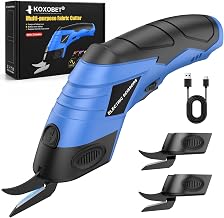
Small tools are useful for trimming, not for forcing a full sheet cut. The Multi-Cut 401 Cutting Tool is intended for soft wood, cardboard, plastic, rope, leather, and similar materials; it is not suitable for hardwood or compressed wood and should not be treated as a substitute for a proper saw. The Fanttik C10 Pro BowGuide Electric Cardboard Cutter and the 2026 Upgrade Cordless Cutting Tool Cardboard Cutter are better reserved for cardboard, fabric, carpet, leather, and felt. They may help with light flexible materials, but standard hardboard pegboard can overload or damage them.
Finish, inspect, and mount
After the cut, ease sharp fibers with 180- to 220-grit sandpaper wrapped around a small sanding block. Sand with the block flat so you do not round over the edge. Remove dust before applying edge banding, paint, or trim. Inspect every hole near the cut; if a hole has cracked, avoid placing a heavily loaded hook there.
When mounting the panel, use spacers or furring strips so hooks can pass behind the board. Fasten into studs where practical, and use appropriate anchors elsewhere. The board should lie flat without being crushed around the screws. A level, supported installation protects both the pegboard and the accessories it carries.
Tips
- Wear eye protection, hearing protection when using powered saws, and a well-fitting dust mask for hardboard dust.
- Cut outdoors or use extraction; tempered hardboard creates fine dust that settles quickly.
- Make a test cut on an offcut to confirm blade choice, finished-face orientation, and edge quality.
- Replace a dull blade promptly. A sharp fine-tooth blade is safer and usually produces less splintering than a blunt one.
Frequently Asked Questions
What is the best tool for cutting a straight line in pegboard?
A jigsaw with a fine-tooth blade is the most versatile choice for most home projects. For repeated long cuts, a compact circular saw guided by a straightedge is faster, as long as the panel is fully supported and the blade is appropriate for thin hardboard.
Should I cut pegboard face up or face down?
Check the saw’s blade direction and make a test cut first. The cleanest face is normally the side where the teeth enter the material, while the exit side is more prone to breakout. Painter’s tape and firm support can improve either result.
Can I cut pegboard with a utility knife?
You can score some thin plastic or soft fiberboard panels, but standard tempered hardboard is too dense for reliable knife cutting. Repeated scoring can slip, damage the edge, and place unnecessary strain on your wrist. Use a saw for a predictable cut.
How do I prevent pegboard from splintering?
Support both sides, tape the cut line, use a sharp fine-tooth blade, and maintain a steady feed. Avoid forcing the tool or allowing the panel to vibrate. Light sanding after the cut removes minor fuzz without weakening the board.
Conclusion
The best way to cut pegboard is to match the tool to the panel, mark the finished face carefully, support the entire sheet, and cut at a controlled pace. For most hardboard pegboard, a fine-tooth jigsaw or compact circular saw offers the best balance of accuracy, durability, and manageable effort. Finish the edge, mount the board on proper spacers, and reserve cardboard or soft-material cutters for the materials they were designed to handle.