Our Top Picks
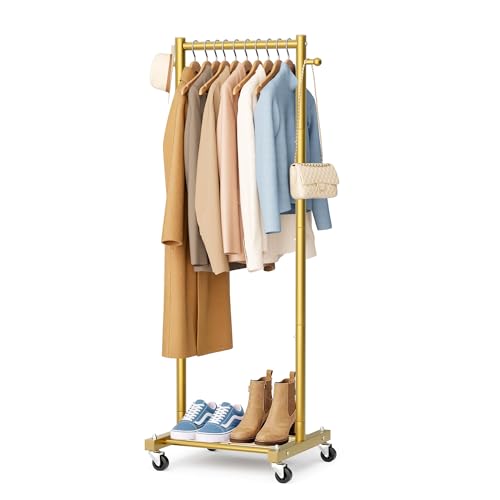 SLEEPING LAMB Small Clothes Racks for Hanging ClothesSmall 18.5"15.7 x 18.5 x 60 inchesCheck on Amazon
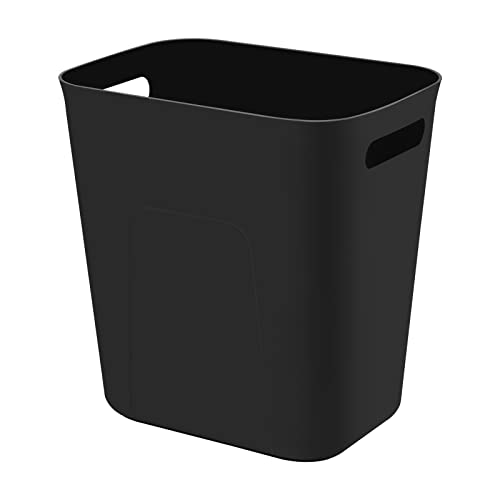
 caktraie 4 Pack Stackable Closet Storage Basket4 Pack White16.61 x 13.1 x 29.2 inches6.6 poundsCheck on Amazon
For a small bedroom or entry, a modular system such as IKEA PAX suits renters and planners who want every centimetre used, a slim freestanding wardrobe suits people who move often, a corner or open-rail unit suits very tight rooms, and a wardrobe with sliding doors suits anyone who cannot spare floor space for swinging doors. The right choice depends less on brand than on door type, depth, ceiling height and how much you actually hang versus fold.
At a Glance: Wardrobe Types for Small Spaces
| Type | Examples | Best for | Key points the makers state | Limits |
|---|---|---|---|---|
| Modular fitted system | IKEA PAX, IKEA ELVARLI | Alcoves, awkward walls, full-height storage | PAX is sold in multiple widths and in shallow and deep depths; interiors and door styles are chosen separately | Needs careful planning; assembly is long |
| Freestanding two-door | IKEA BRIMNES, IKEA HEMNES, Songmics, Rolanstar-style units | Renters, quick setup | Typically one rail plus shelves or drawers; flat-pack | Less adaptable; swing doors need clearance |
| Sliding-door wardrobe | IKEA PAX with sliding doors, various mirrored-door units | Narrow rooms and corridors | Doors run on tracks so no door swing is needed | Only half the width is open at once |
| Open rail or clothing rack | IKEA MULIG, Whitmor and Songmics racks | Studios, temporary housing | Rail plus shelf, minimal assembly | Clothes are exposed to dust and light |
| Armoire with drawers | Wooden and engineered-wood armoires from furniture makers | Rooms with no dresser space | Combines hanging space and drawers in one footprint | Often heavier and deeper |
Specific dimensions vary by model and year, so confirm width, depth and height on the maker’s current product page before buying.
SLEEPING LAMB Small Clothes Racks for Hanging Clothes, Rolling Clothing Rack with Shelves, 60" Metal Garment Rack with Wheels Portable Wardrobe Rack for Small Space, Gold
Chosen because it specifies Rolling Clothing Rack with Shelves and Gold.
View on Amazoncaktraie 4 Pack Stackable Closet Storage Basket - Stackable Storage Bins | Multifunctional & Foldable Closet Organizer Waterproof, Wardrobe Cupboard Space-Saving Storage Drawer Organizer
Chosen because it specifies Stackable Storage Bins and Multifunctional & Foldable Closet Organizer Waterproof.
View on Amazon
Ulif H4 Mini Portable Closet, 4 Tiers Freestanding Clothing Garment Rack for Small Space, Metal Clothes Wardrobe System for Bedroom, 23.6" W x 14" D x 76.4" H, Load 502 lbs, Black
Chosen because it specifies 4 Tiers Freestanding Clothing Garment Rack for Small Space and Metal Clothes Wardrobe System for Bedroom.
View on AmazonWhat Actually Matters in a Small Room
Depth and door clearance
Standard clothes hangers need roughly 55 to 60 centimetres of depth to hang garments facing front. The maker of the PAX system lists a shallower option for narrow spaces, in which clothes are hung sideways or on pull-out rails. A shallow wardrobe saves floor area but can hold fewer coats. If you choose swinging doors, measure the arc. A door that opens against a bed frame or desk becomes a daily annoyance, which is why sliding doors are so often recommended for narrow bedrooms.
Height
Going tall is the cheapest way to add capacity without using floor. Many modular systems are available in heights that approach standard ceiling height, and a top shelf is useful for out-of-season bedding in boxes. Measure ceiling height, skirting boards and any sloped ceiling before choosing a height, and allow a few centimetres of clearance for tilting the unit upright during assembly.
Interior fittings matter more than the shell
A wardrobe that has the wrong interior wastes space. Count how many long garments (dresses, coats), short garments (shirts, jackets) and folded items you own. Double-hanging rails make good use of short items, and pull-out trays or drawers keep knitwear flat. Some systems let you add fittings later, which helps if your wardrobe needs change.
Material and build
Most affordable wardrobes are particleboard or fibreboard with a foil or laminate finish. Solid wood and veneered pieces are heavier and generally last longer through moves, but they are also deeper and costlier. Check the maker’s stated weight capacity for the rail. Fully loaded winter coats weigh much more than people expect, and thin metal rails can bow over time.
Picks by Need
Best system for planning every centimetre: IKEA PAX
PAX is widely cited by reviewers and home-organisation outlets as the most flexible wardrobe framework. The maker lists several frame widths and heights, a choice of depth, and an extensive range of internal organisers. Doors come in hinged and sliding forms. The trade-off is that planning and assembly take time, and frames are heavy once built, so it suits a home you intend to stay in for a while.
Best simple freestanding option: IKEA BRIMNES or HEMNES-style wardrobes
These two-door wardrobes with a rail and shelves are quick to set up and styled to match other bedroom furniture. They are a mid-range option for people who just want a single, ready-to-use cabinet. Reviewers note they are best for moderate wardrobes rather than large collections, and that stability depends on correct assembly and wall anchoring.
Best for a tight budget or temporary home: open rail units
A freestanding rail with a bottom shelf, such as the models sold by Songmics, Whitmor and others, is the cheapest route to hanging storage and needs almost no assembly. Pair it with fabric storage boxes to tidy the shelf and hide clutter. Add a garment cover or curtain if dust is a concern.
Best for narrow rooms: sliding-door wardrobes
Where there is less than the width of an open door in front of the wardrobe, sliding doors remove the problem. Mirrored sliding doors also bounce light around, which many small-room guides cite as a useful side effect. The limitation is that only part of the interior is visible at once, so plan frequent-use items in the centre.
Best premium option: built-in or semi-custom fitted wardrobes
Where the budget allows, made-to-measure fitted wardrobes use every alcove, run to the ceiling and avoid dead gaps. They usually come with professional installation and are the premium tier. For most renters this is not an option, which is why modular systems are so popular.
Safety and Installation Notes
- Anchor tall furniture to the wall. Makers and safety bodies such as the Consumer Product Safety Commission advise anchoring wardrobes and dressers to prevent tip-overs, particularly in homes with young children. Use the anti-tip hardware supplied or a wall-appropriate fixing for your wall type.
- Follow the assembly guide and weight limits. Do not overload rails or shelves beyond the maker’s stated limits.
- Check for out-gassing odour. New engineered-wood furniture can smell for a few days. Ventilate the room. Look for products that state compliance with formaldehyde emission standards such as CARB Phase 2 where available.
- Allow ventilation. Do not push a wardrobe flush against a damp or cold exterior wall without a small gap, as moisture can cause mildew.
Budget Tiers
| Tier | What you typically get | Trade-off |
|---|---|---|
| Budget | Open rails, fabric wardrobes, basic flat-pack cabinets | Lower weight capacity, simpler finishes, less durable when moved |
| Mid-range | Modular systems, two-door and sliding-door cabinets with internal fittings | Assembly time; fittings often sold separately |
| Premium | Solid wood armoires, fitted or semi-custom wardrobes | Cost, weight and often professional installation |
Pick X If… Decision Table
| Pick this | If you… |
|---|---|
| Modular system (PAX type) | want to use floor-to-ceiling space and plan to stay put |
| Freestanding two-door | want a quick, matched piece and own a modest wardrobe |
| Sliding doors | have no room for hinged doors to swing |
| Open rail | rent short term or need the lowest-cost hanging space |
| Armoire with drawers | have no dresser and need both hanging and folded storage |
| Fitted or semi-custom | have awkward alcoves and a premium budget |
Alternatives to a Wardrobe
- Over-door and over-bed storage. Shallow shelves above the bed or hooks on the back of the door take up almost no floor space.
- Under-bed boxes and bed frames with drawers. Good for folded clothes and off-season items; many frames list storage drawers as a built-in feature.
- Tall chest of drawers plus wall rail. A narrow chest combined with a wall-mounted rail can replace a wardrobe in a nook.
Small-Space Layout Tips
Place the wardrobe on the wall that lets the doors open or slide without hitting other furniture. Use the same colour for the wardrobe and the wall to make it recede visually, or a mirrored door to create a sense of depth. Keep seasonal items on the highest shelf and everyday clothes between knee and shoulder height. Slim hangers, often sold in velvet or thin metal, allow more garments on the same rail length, and a cascading hanger can double vertical use for trousers or scarves.
If the room has a sloped ceiling, measure at the point where the wardrobe’s front edge will sit, not at the wall. A low-height wardrobe can still hold folded storage and short hanging items, and the leftover space above can hold boxes. For corners, an L-shaped rail on wall brackets can add hanging space without any cabinet at all.
Frequently Asked Questions
What is the best wardrobe depth for a small bedroom?
A depth near 55 to 60 centimetres suits standard hangers facing the front, while shallower units around 35 to 40 centimetres suit narrow rooms with folded storage or sideways-hung clothes. Check the maker’s listed interior depth, not just the outside measurement, because panels and doors reduce usable space.
Are sliding doors better than hinged doors in a small room?
Sliding doors are usually better when there is little clearance in front of the wardrobe, as they need no swing space. The trade-off is that you can only open part of the wardrobe at once, and tracks need occasional cleaning.
Do I need to anchor a wardrobe to the wall?
Makers and safety organisations advise anchoring tall furniture, especially where children live. Use the supplied anti-tip fitting and choose fixings suited to your wall type; if you are unsure, ask a qualified installer.
How can I fit more clothes in a small wardrobe?
Use slim hangers, double-hanging rails for shirts and trousers, and shelf dividers for folded items. Move out-of-season clothes to under-bed or top-shelf boxes. Rolling rather than stacking knitwear also helps in drawers.
Is a freestanding wardrobe or a built-in better for renters?
Freestanding and modular wardrobes are generally better for renters because they can be moved or disassembled. Built-in wardrobes are permanent and typically require landlord permission and professional installation.
What material lasts longest?
Solid wood and good-quality veneered boards generally survive moves and heavy loads better than thin particleboard. If you choose engineered wood, look for thicker panels, metal rail supports and a stated load limit from the maker.
More from Amazon
Programs that pair well with the guide above. Offers and eligibility are set by Amazon and may change.
Collect the home and kitchen items you want in one registry that guests can shop from.
Create a wedding registrySet up recurring deliveries of everyday items on eligible products. Terms and savings are set by Amazon.
Explore Subscribe & SaveFree shipping on eligible items, Prime Video and more. Eligible new members can start with a free trial.
Start a Prime free trialAudiobooks and podcasts to listen to on the go. Eligible new members can start with a free trial.
Try Audible freeAs an Amazon Associate we earn from qualifying purchases.