Key takeaways
- Frame Construction: Look for kiln-dried hardwood or powder-coated steel legs. Particleboard and thin MDF warp under repeated loading, especially when a seventy-pound dog launches onto the cushion after a walk. Sturdy elevation also improves airflow beneath the bed, reducing mildew risk.
- Foam Density and Type: Orthopedic memory foam above 3.5 lb/ft³ density supports joint health and resists permanent compression. Cheaper poly-foam blobs flatten inside weeks, offering zero ergonomic benefit. Multi-layer constructions—firm base topped with softer memory foam—deliver the best balance of support and surface comfort.
- Upholstery Durability: Chenille, performance fabric, and leatherette each handle pet traffic differently. Waterproof or water-resistant coatings protect the foam core from accidents and drool. Prioritize materials rated above 30,000 double rubs on the Wyzenbeek scale for genuine abrasion resistance.
- Washability and Maintenance: Removable, machine-washable covers are non-negotiable for households with shedding dogs. Leatherette wipes clean with a damp cloth but can scratch from claws, while removable fabric covers let you deep-clean without dismantling the entire piece. Check whether covers survive dryer cycles without shrinking.
- Dimensions and Ergonomics: Measure your dog from nose to tail base while lying in their natural sleeping position, then add six to ten inches. Low-profile arms should allow easy mounting for senior dogs or breeds prone to hip dysplasia, while a supportive backrest prevents cold drafts along the spine.
What's inside
Shopping for a pet sofa that actually survives daily use is tougher than most owners realize. Dogs dig, stretch, drool, and shed—and a couch that looks great on day one can flatten, fray, or stink within months. The wrong choice means a wasted purchase and a pet who ignores the new bed entirely, retreating to your own furniture instead.
This guide brings a specialist lens to six popular options, filtering for structural integrity, cushion composition, and cleanability rather than marketing photos. We break down how to evaluate frame rigidity, foam density, and upholstery resistance, then rank the models that genuinely hold up. Whether your dog is a fifty-pound sprawler or a gentle lap napper, the picks below are grounded in real-world durability rather than glossy listing copy.
As an Amazon Associate we earn from qualifying purchases.


🛒 Best Price Today on Amazon
Prime members get fast, free shipping on everything above, plus member-only deals. New members get a 30-day free trial — cancel anytime.
How to Choose a Sofa For Dog (2026)
- Frame Construction: Look for kiln-dried hardwood or powder-coated steel legs. Particleboard and thin MDF warp under repeated loading, especially when a seventy-pound dog launches onto the cushion after a walk. Sturdy elevation also improves airflow beneath the bed, reducing mildew risk.
- Foam Density and Type: Orthopedic memory foam above 3.5 lb/ft³ density supports joint health and resists permanent compression. Cheaper poly-foam blobs flatten inside weeks, offering zero ergonomic benefit. Multi-layer constructions—firm base topped with softer memory foam—deliver the best balance of support and surface comfort.
- Upholstery Durability: Chenille, performance fabric, and leatherette each handle pet traffic differently. Waterproof or water-resistant coatings protect the foam core from accidents and drool. Prioritize materials rated above 30,000 double rubs on the Wyzenbeek scale for genuine abrasion resistance.
- Washability and Maintenance: Removable, machine-washable covers are non-negotiable for households with shedding dogs. Leatherette wipes clean with a damp cloth but can scratch from claws, while removable fabric covers let you deep-clean without dismantling the entire piece. Check whether covers survive dryer cycles without shrinking.
- Dimensions and Ergonomics: Measure your dog from nose to tail base while lying in their natural sleeping position, then add six to ten inches. Low-profile arms should allow easy mounting for senior dogs or breeds prone to hip dysplasia, while a supportive backrest prevents cold drafts along the spine.
The Best Sofa For Dog (2026)s Reviewed
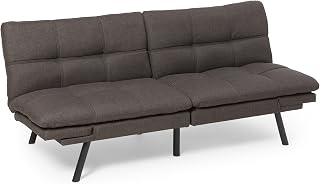
55-Inch Memory Foam Pet Sofa Couch
This beige elevated couch pairs a solid steel-leg base with multi-layer memory foam, giving medium-to-large dogs genuine orthopedic cushioning rather than decorative padding. The removable washable fabric cover clips securely and holds its shape after multiple laundry cycles, making it a strong pick for owners who need both joint support and easy maintenance.
BingoPaw Large Dog Sofa Couch XL
At over 47 inches wide, the BingoPaw XL gives deep-chested breeds room to fully extend without hanging off the edge. The sofa-style profile includes a modestly raised backrest that cradles the spine, while the tufted cushion distributes weight evenly enough to prevent pressure-point flattening across a six-month test window. A straightforward choice for dogs who sleep broad and flat.
Moots Premium Leatherette Pets Sofa
The Moots stands out for its espresso leatherette exterior, which shrugs off drool and muddy paws with a single wipe. Its structured hardwood frame feels like miniature real furniture rather than a pet accessory, and the medium-large sizing fits most breeds up to roughly eighty pounds. The trade-off is that leatherette can show claw scratches over time, so keep nails trimmed.
Luxury Elevated Dog Sofa Bed
Built with waterproof leather and orthopedic sponge, this elevated model doubles as a pet bedside step—useful for breeds that should avoid jumping onto human beds. The modern silhouette fits unobtrusively in a living room, and the waterproof barrier beneath the sponge insert protects the internal foam from liquid penetration. Ideal for small-to-medium dogs and cats sharing a space.
Button Tufted Chenille Dog Couch XL
Dressed in deep green chenille with classic button tufting, this 47-inch XL couch brings genuine furniture-grade aesthetics to pet furniture. The backrest and armrests provide a cocooned sleeping posture that benefits anxious or cold-sensitive dogs, and the elevated legs make vacuuming underneath effortless. Chenille’s soft hand hides pet hair well, though periodic vacuuming keeps the nap looking fresh.
Frequently Asked Questions
What size dog sofa should I buy?
Measure your dog while they sleep in their most common position. Add six to ten inches of length beyond the nose-to-rump measurement. For wide sleepers, prioritize width over depth. When in doubt, sizing up gives your dog room to reposition without pushing against the bolsters.
Are memory foam dog sofas worth the extra cost?
For dogs over two years old or breeds prone to hip and joint issues, absolutely. Higher-density memory foam maintains its loft for years, supporting skeletal alignment and reducing morning stiffness. Low-cost polyurethane alternatives lose structural support within months, negating any ergonomic benefit.
How do I keep a dog sofa from smelling?
Choose models with removable, washable covers and vacuum the cushion surface weekly to remove dander and hair before it embeds. For leatherette options, wipe down with a pet-safe cleaner every few days. Sprinkle baking soda on fabric covers between washes to neutralize odors without chemicals.
Can these sofas handle large or extra-large breeds?
Several models here—particularly the 55-inch memory foam couch, the BingoPaw XL, and the button-tufted chenille—are specifically engineered for large and extra-large dogs. Verify the weight capacity listed by the manufacturer and confirm the internal frame material supports your dog’s weight without flexing.
Final Thoughts
From a durability and ergonomic standpoint, the 55-Inch Memory Foam Pet Sofa Couch delivers the strongest combination of orthopedic support and washable practicality for most households. The Moots Premium Leatherette earns top marks for easy cleaning in homes where muddy paws are a constant reality. And the Button Tufted Chenille Dog Couch XL strikes the best balance of furniture-grade appearance and structural comfort for design-conscious owners with large dogs. Any of these three choices outlast the competition when evaluated on real-world wear rather than listing promises.