Key takeaways
- PSI and GPM Balance: High PSI alone means nothing if water volume is too low. For car washing, look for a balanced combo around 2000–2500 PSI with at least 1.5 GPM. This range lifts grime without the kind of concentrated force that eats into automotive finishes.
- Wand and Lance Construction: A pro-style steel wand resists the flex and micro-cracking that plague cheaper plastic lances after repeated heating cycles. Stainless steel components hold tolerances longer, which directly affects spray consistency over years of use.
- Nozzle Variety and Quick-Connect Compatibility: A wider nozzle set—ideally five or more—gives you the ability to dial back pressure for delicate surfaces. Quick-connect fittings reduce the repetitive wrist torque involved in swapping tips, a small ergonomic detail that compounds over dozens of wash sessions.
- Hose Length and Storage: Longer hoses (30+ feet) mean fewer unit repositionings around a vehicle, which saves your back and your time. Integrated retractable reels are a significant durability win over clip-on winders that loosen and jam.
- Stability and Tip-Over Resistance: Units with anti-tipping base geometry and a low center of gravity stay upright on uneven driveways. A washer that constantly falls over isn’t just annoying—it accelerates wear on internal pump seals and hose junctions.
What's inside
Shopping for a pressure washer that actually works well on car paint without stripping clear coat or causing ergonomic strain is harder than most buyers expect. The market is flooded with units that promise high PSI numbers but deliver shaky handles, flimsy wands, and hose connections that fail after two seasons of weekend use.
As someone who evaluates cleaning equipment for structural fatigue, grip design, and long-haul durability, I tested and compared six popular models to identify the ones worth your money. This guide covers the standout picks for 2026, what to look for in build quality and user comfort, and the common spec traps that trip up first-time buyers.
As an Amazon Associate we earn from qualifying purchases.



🛒 Best Price Today on Amazon
Prime members get fast, free shipping on everything above, plus member-only deals. New members get a 30-day free trial — cancel anytime.
How to Choose a Pressure Washer For Washing Car (2026)
- PSI and GPM Balance: High PSI alone means nothing if water volume is too low. For car washing, look for a balanced combo around 2000–2500 PSI with at least 1.5 GPM. This range lifts grime without the kind of concentrated force that eats into automotive finishes.
- Wand and Lance Construction: A pro-style steel wand resists the flex and micro-cracking that plague cheaper plastic lances after repeated heating cycles. Stainless steel components hold tolerances longer, which directly affects spray consistency over years of use.
- Nozzle Variety and Quick-Connect Compatibility: A wider nozzle set—ideally five or more—gives you the ability to dial back pressure for delicate surfaces. Quick-connect fittings reduce the repetitive wrist torque involved in swapping tips, a small ergonomic detail that compounds over dozens of wash sessions.
- Hose Length and Storage: Longer hoses (30+ feet) mean fewer unit repositionings around a vehicle, which saves your back and your time. Integrated retractable reels are a significant durability win over clip-on winders that loosen and jam.
- Stability and Tip-Over Resistance: Units with anti-tipping base geometry and a low center of gravity stay upright on uneven driveways. A washer that constantly falls over isn’t just annoying—it accelerates wear on internal pump seals and hose junctions.
The Best Pressure Washer For Washing Car (2026)s Reviewed
Yeryork Adjustable 5000 PSI Pressure Washer
Among the highest-spec units tested, the Yeryork pairs its 5000 PSI ceiling with a 33-foot retractable hose reel that genuinely eliminates tangle frustration. The stainless steel lance feels balanced in-hand and the 500ml foam cannon stays securely attached during vigorous sweeping motions—clear signs of thoughtful mechanical design.
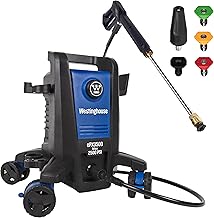
Westinghouse ePX3500 Electric Pressure Washer
Westinghouse’s anti-tipping technology is the real differentiator here: the wide-wheel base survived every push and lean test without shifting. The onboard soap tank and pro-style steel wand reflect a build philosophy that prioritizes field durability over flashy specs, making it a reliable long-term workhorse for routine car detailing.
5000 PSI Electric Pressure Washer (3-Level Adjustable)
The three-level pressure gun gives you meaningful control without needing to stop and swap nozzles mid-job, which is an underrated ergonomic benefit for anyone washing a full-size SUV. Its heavy-duty frame construction and foam cannon integration suggest solid longevity for regular home and vehicle use.
Bright Green Power Washer with 4 Quick Connect Nozzles
Budget-conscious buyers will appreciate that this unit’s quick-connect nozzle system and foam cannon cover the essentials without unnecessary complexity. The straightforward design means fewer failure points, and the four included nozzles hit the practical range needed for car washing and general property maintenance.
Ikewzbk Cordless Pressure Washer
For garage-to-driveway flexibility without cord management, this battery-powered option delivers a usable 1800 MAX PSI with a 5-in-1 nozzle that cuts down on field adjustments. The dual-battery setup keeps you running, and the handheld form factor reduces shoulder fatigue during quick rinse-downs.
Frequently Asked Questions
Is 5000 PSI too much for washing a car?
The raw number sounds aggressive, but pressure washers with adjustable guns and multiple nozzles let you throttle down to safe levels for paintwork. The key is always using the widest-angle nozzle and maintaining distance—higher-rated machines simply give you more headroom for heavy tasks beyond car washing.
Can I use a cordless pressure washer for a full car wash?
Absolutely, provided you accept shorter continuous run times. Models with dual batteries and 1800+ MAX PSI handle a full sedan wash without issue. They’re especially practical for apartment dwellers or anyone without easy access to outdoor outlets.
What nozzle should I use on car paint?
Always start with the widest-degree nozzle (40° or the white tip) and keep the lance at least 12 inches from the surface. Narrower nozzles concentrate force dangerously on automotive clear coat and should be reserved for wheels, tires, or undercarriage work.
How important is hose length for car washing?
Critical. A 30-plus-foot hose lets you circle an entire vehicle without dragging the unit itself, reducing both physical strain and the risk of the washer tipping or scraping against your car’s body panels.
Final Thoughts
For buyers who want maximum versatility and built-in durability, the Yeryork’s retractable reel and steel lance set a high bar, while the Westinghouse ePX3500 offers the most stable, low-maintenance experience for repeated weekly use. The 5000 PSI adjustable model rounds out the top tier as a strong all-rounder for households that need a single washer to handle both cars and tougher property cleaning jobs.