Key takeaways
- Size to your circuits, not your square footage: Tally the surge draw of what genuinely matters — well pump, furnace blower, fridge, sump — then add roughly 25 percent headroom. A 3,600W to 4,400W unit covers essentials comfortably; 12,000W and up supports a transfer switch feeding most of the panel.
- Judge the handling hardware first: Look for never-flat wheels on a steel axle rather than plastic hubs pressed onto a bolt, plus fold-down handles that let you push from a neutral wrist angle. Anything above 200 pounds needs a two-person lift point that actually clears the frame.
- Favor dual fuel for storage sanity: Propane sits indefinitely without varnishing a carburetor, which matters more than peak wattage when a machine idles nine months a year. Gas gives you the higher output ceiling when you need it.
- Read the control panel like a dashboard: Outlets should be grouped by function, breakers reachable without kneeling, and every port covered by a rubber flap that seals rather than dangles. Backlit or high-contrast labeling earns its keep at 3 a.m.
- Plan for exhaust before you plan for placement: Carbon monoxide kills quietly, so any fuel-burning unit belongs at least 20 feet from the house with exhaust angled away, never in a garage or breezeway. Battery stations are the only option that runs safely indoors.
What's inside
Most people meet their generator for the first time in the worst possible conditions: ankle-deep water in the driveway, a flashlight in their teeth, and a house full of people asking when the fridge comes back on. That is the moment a machine reveals its real design quality. Handle geometry that seemed fine in the garage becomes a wrist-twisting nuisance. Recoil starters that pulled smoothly in July fight back in a February sleet storm. Control panels laid out for a showroom photo turn into a guessing game under a headlamp. The specs on the box tell you almost nothing about any of this.
This guide looks at home backup power the way a furniture buyer looks at a chair: how it carries load over years, how the body interacts with it, and which materials give up first. I have weighted the picks toward lift ergonomics, wheel and axle quality, frame rigidity, panel reachability, and the serviceability that decides whether a unit lasts one outage season or fifteen. Below you will find current models worth shortlisting, a practical selection framework, and honest notes on where each one asks something of you.
As an Amazon Associate we earn from qualifying purchases.


🛒 Best Price Today on Amazon
Prime members get fast, free shipping on everything above, plus member-only deals. New members get a 30-day free trial — cancel anytime.
How to Choose a/an Portable Generator For Home Backup Power (2026)
- Size to your circuits, not your square footage: Tally the surge draw of what genuinely matters — well pump, furnace blower, fridge, sump — then add roughly 25 percent headroom. A 3,600W to 4,400W unit covers essentials comfortably; 12,000W and up supports a transfer switch feeding most of the panel.
- Judge the handling hardware first: Look for never-flat wheels on a steel axle rather than plastic hubs pressed onto a bolt, plus fold-down handles that let you push from a neutral wrist angle. Anything above 200 pounds needs a two-person lift point that actually clears the frame.
- Favor dual fuel for storage sanity: Propane sits indefinitely without varnishing a carburetor, which matters more than peak wattage when a machine idles nine months a year. Gas gives you the higher output ceiling when you need it.
- Read the control panel like a dashboard: Outlets should be grouped by function, breakers reachable without kneeling, and every port covered by a rubber flap that seals rather than dangles. Backlit or high-contrast labeling earns its keep at 3 a.m.
- Plan for exhaust before you plan for placement: Carbon monoxide kills quietly, so any fuel-burning unit belongs at least 20 feet from the house with exhaust angled away, never in a garage or breezeway. Battery stations are the only option that runs safely indoors.
The Best Portable Generator For Home Backup Power (2026)s Reviewed
DuroMax XP13000EH Dual Fuel
The XP13000EH is the one I recommend when someone wants whole-home coverage that will outlive their current furnace: a heavy powder-coated frame, a genuinely stiff axle, and electric start that spares your shoulder on cold mornings. It is a substantial machine, so decide on its parking spot and a level pad before delivery day rather than after.
Westinghouse 12500 Watt Dual Fuel
Westinghouse spent its engineering budget in the right places here — remote electric start means you can bring the unit online from a dry doorway, and the panel layout is among the most legible in this output class. Transfer-switch readiness makes it a clean fit for a permanent backup plan.
DuroStar DS13000MX Dual Fuel
Essentially the same mechanical philosophy as the XP13000EH with a 500cc engine and a more relaxed price, this one rewards owners who keep up with oil changes and store it on propane. The remote start fob is a small ergonomic mercy that you will appreciate every single time.
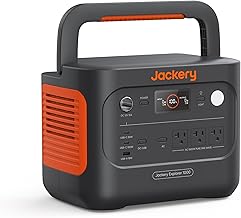
Jackery HomePower 3600 Plus
The only pick here you can legally and safely run indoors, its LFP chemistry handles years of standby cycling without meaningful degradation, and expansion to 21kWh means it grows with your needs instead of being replaced. Silent operation and zero fuel logistics make it the most livable option for apartments, medical equipment, and anyone tired of hauling cans.
Oxseryn 4400W Inverter Generator
An open-frame inverter is an unusual and smart compromise: you get cleaner power for electronics and ECO mode fuel savings, wrapped in a frame that tolerates being knocked around a shed. At 4,400 watts it handles essentials and RV duty via the 30A outlet, and the modest weight means one adult can reposition it without recruiting help. Oxseryn’s EPA-compliant 4400-watt variant offers the same package if availability differs.
Frequently Asked Questions
How much power do I actually need for home backup?
Essentials-only coverage — refrigerator, a few lights, phone charging, and a furnace blower — typically lands between 3,000 and 5,000 running watts. Add a well pump, water heater, or central air and you are into 10,000W-plus territory, which is where dual fuel units and a transfer switch make sense.
Is a battery power station really comparable to a gas generator?
For runtime under load, no — a gas unit refuels in minutes and runs indefinitely. For safety, noise, indoor use, and zero-maintenance standby, a station like the HomePower 3600 Plus wins outright, especially paired with solar input for multi-day outages.
What maintenance keeps one of these alive for a decade?
Change the oil after the first 20 hours and annually thereafter, run the unit under load for 20 minutes every few months, keep the air filter clean, and store it on propane or with stabilized fuel and a closed valve. Neglected carburetors cause more dead generators than worn engines do.
Do I need an electrician for a transfer switch?
Yes. Interlock kits and transfer switches tie into your main panel and are permit-and-inspection territory in most jurisdictions. Backfeeding through a dryer outlet is illegal, and it endangers utility crews.
Final Thoughts
If you want one machine to cover the whole house for the next fifteen years, the DuroMax XP13000EH is the most durable package here, with the Westinghouse 12500 close behind on the strength of its panel design and remote start. For quiet, maintenance-free, indoor-safe backup, the Jackery HomePower 3600 Plus is the better long-term investment — and the Oxseryn 4400W inverter remains the smart pick if you simply want essentials running without wrestling 250 pounds of steel across the lawn.