Key takeaways
- Fit and ventilation: Measure the full opening, not just the appliance width, and leave the manufacturer’s recommended clearance around vents, connections, and service panels. A 15-inch machine still needs room for its door and airflow.
- Production versus storage: Daily output describes the machine’s potential under favorable conditions; the bin determines how much ice is immediately available. For entertaining, storage capacity often matters more than an impressive 24-hour figure.
- Drainage: A gravity-drain model needs a suitable floor or sink drain and a dependable slope. Drainless designs are more flexible for home installation, but melted ice still has to be managed through the appliance’s internal system.
- Ice style: Crescent ice is hard, slow-melting, and useful for general drinks. Nugget ice is softer and easier to chew, but its texture, insulation needs, and storage behavior differ from traditional cubes.
- Maintenance and controls: Look for self-cleaning functions, accessible filters, clear shutoff behavior, and simple controls. These features do not replace manual sanitation, but they make regular care far more likely.
What's inside
Choosing an undercounter ice maker is less straightforward than comparing advertised daily output. Buyers must balance cabinet fit, ventilation, drainage, noise, ice texture, cleaning access, and the machine’s ability to tolerate repeated use. A unit that produces plenty of ice but vibrates against adjoining cabinetry, traps meltwater, or requires awkward maintenance can become a daily annoyance.
This guide focuses on ergonomics and long-term practicality: how easily each machine fits into a working kitchen or bar, how its storage capacity matches real use, and which features reduce routine upkeep. Product specifications and availability can change, so confirm dimensions, electrical requirements, drainage details, and current Amazon listings before purchasing.
As an Amazon Associate we earn from qualifying purchases.


🛒 Best Price Today on Amazon
Prime members get fast, free shipping on everything above, plus member-only deals. New members get a 30-day free trial — cancel anytime.
How to Choose a/an Ice Maker Undercounter (2026)
- Fit and ventilation: Measure the full opening, not just the appliance width, and leave the manufacturer’s recommended clearance around vents, connections, and service panels. A 15-inch machine still needs room for its door and airflow.
- Production versus storage: Daily output describes the machine’s potential under favorable conditions; the bin determines how much ice is immediately available. For entertaining, storage capacity often matters more than an impressive 24-hour figure.
- Drainage: A gravity-drain model needs a suitable floor or sink drain and a dependable slope. Drainless designs are more flexible for home installation, but melted ice still has to be managed through the appliance’s internal system.
- Ice style: Crescent ice is hard, slow-melting, and useful for general drinks. Nugget ice is softer and easier to chew, but its texture, insulation needs, and storage behavior differ from traditional cubes.
- Maintenance and controls: Look for self-cleaning functions, accessible filters, clear shutoff behavior, and simple controls. These features do not replace manual sanitation, but they make regular care far more likely.
The Best Ice Maker Undercounter (2026)s Reviewed
Mojgar 100-Lb Commercial Undercounter Ice Maker
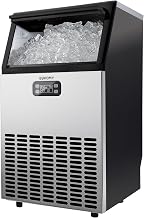
The Mojgar combines a compact 15-inch footprint with a high stated production rate and a 30-pound storage bin, making it a sensible option for a busy home bar or light commercial setting. Its self-cleaning function and silver exterior improve day-to-day usability, while the freestanding or built-in positioning gives installers more flexibility; carefully verify ventilation and service clearance before enclosing it.
Electactic 66-Lb Nugget Ice Machine
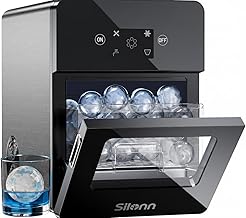
Electactic is the most targeted choice here for buyers who specifically prefer soft, chewable nugget ice rather than conventional crescent pieces. The stainless-steel cabinet, self-cleaning cycle, and 24-hour timer suit frequent entertaining, although users should consider whether its production and storage capacity match peak demand rather than relying on the daily headline alone.
COTLIN Drainless 15-Inch Ice Maker
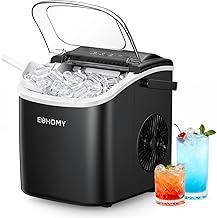
The COTLIN stands out for installation practicality: its drainless design can simplify placement where routing a permanent drain would be disruptive. It produces crescent ice and includes a 22-pound bin, a balanced specification for residential use, vacation properties, and smaller bars; the main ergonomic advantage is avoiding a plumbing project, not eliminating the need to monitor cleanliness and meltwater handling.
Commercial 100-Lb Ice Maker with 30-Lb Bin
This commercial-style model pairs a stated 100-pound daily output with a 30-pound storage bin, 40-cube cycles, a water filter, self-cleaning, and a timer. Those features make it attractive for hosts who want predictable replenishment and less hands-on operation, but the larger performance class deserves a proper installation plan, including water access, drainage, ventilation, and adequate electrical capacity.
Whynter UIM-155 Built-In Ice Maker
The Whynter UIM-155 takes a lower-volume, lower-complexity approach, producing up to 12 pounds of crescent ice per day and storing 6 pounds. Its no-drain design, automatic shutoff, and one-button operation are particularly appealing where simplicity and compact storage matter more than rapid commercial output, such as a secondary kitchen or occasional-use home bar.
Frequently Asked Questions
Can an undercounter ice maker be installed inside a cabinet?
Only if it is designed and approved for built-in use and the installation follows its clearance requirements. Do not seal a freestanding unit into cabinetry simply because its width appears suitable; restricted airflow can reduce performance, increase heat, and shorten component life.
Do undercounter ice makers need a drain?
Some models use a gravity drain, while others are specifically designed as drainless appliances. A drainless model expands placement options, but it does not make maintenance unnecessary. Confirm how the machine manages meltwater and whether its installation instructions impose limits on location or leveling.
How much ice storage is enough for a home?
For occasional drinks, a small bin may be adequate. A household that entertains regularly should consider both the number of guests and the timing of demand: a machine can produce a large amount over 24 hours yet still run short during a single busy evening if its storage bin is modest.
Is nugget ice better than crescent ice?
Neither is universally better. Nugget ice is softer and popular for chewing and fountain-style beverages, while crescent ice is generally firmer and slow-melting. Choose based on how you serve drinks, how much bin space you need, and whether texture is more important than maximum versatility.
Final Thoughts
The Mojgar is a strong all-around choice for high-output home-bar use, while the COTLIN is especially practical when avoiding a drain installation is important. For simpler, occasional use, the compact Whynter UIM-155 is easier to live with; buyers who want soft nugget ice should instead focus on the Electactic and plan around its different ice texture and storage behavior.