Key takeaways
- Surface traction: Choose a textured, non-slip finish that remains dependable when tracked-in water, snow, or oil is present. Very aggressive textures can improve grip but may be harder to sweep.
- Load support: Check the tile construction and stated capacity for vehicles, jacks, tool chests, and workbenches. Rigid polypropylene tiles generally distribute concentrated loads better than thin mats.
- Moisture control: Drainage tiles allow water to move below the walking surface, while solid mats contain spills for removal. Match the choice to snow melt, washing habits, and slab moisture.
- Comfort and noise: A resilient surface is easier on knees and feet during repairs. Interlocking tiles can also reduce the hard, echoing feel of bare concrete, although hollow designs may sound louder under rolling loads.
- Maintenance: Look for flooring that can be swept, rinsed, or lifted for cleaning. Perimeter edges, seams, and the underside deserve regular inspection because trapped grit can accelerate wear or retain moisture.
What's inside
Garage floors take a beating from vehicle weight, hot tires, oil drips, road salt, dropped tools, and repeated foot traffic. The wrong surface can curl at the edges, trap moisture underneath, or become dangerously slick when wet. A good garage floor solution should protect the slab while remaining stable, cleanable, and comfortable enough for the way you actually use the space.
This guide compares oversized parking mats, rigid interlocking tiles, and drainage-style modular flooring. The emphasis is on ergonomics and durability: traction underfoot, fatigue reduction, load handling, moisture management, installation effort, and how each option is likely to perform through years of seasonal garage use.
As an Amazon Associate we earn from qualifying purchases.



🛒 Best Price Today on Amazon
Prime members get fast, free shipping on everything above, plus member-only deals. New members get a 30-day free trial — cancel anytime.
How to Choose a/an Garage Flooring Ideas (2026)
- Surface traction: Choose a textured, non-slip finish that remains dependable when tracked-in water, snow, or oil is present. Very aggressive textures can improve grip but may be harder to sweep.
- Load support: Check the tile construction and stated capacity for vehicles, jacks, tool chests, and workbenches. Rigid polypropylene tiles generally distribute concentrated loads better than thin mats.
- Moisture control: Drainage tiles allow water to move below the walking surface, while solid mats contain spills for removal. Match the choice to snow melt, washing habits, and slab moisture.
- Comfort and noise: A resilient surface is easier on knees and feet during repairs. Interlocking tiles can also reduce the hard, echoing feel of bare concrete, although hollow designs may sound louder under rolling loads.
- Maintenance: Look for flooring that can be swept, rinsed, or lifted for cleaning. Perimeter edges, seams, and the underside deserve regular inspection because trapped grit can accelerate wear or retain moisture.
The Best Garage Flooring Ideas (2026)s Reviewed
Garage Mats Oversize Parking Mat
The Garage Mats Oversize Garage Floor Parking Mat covers a generous 8.8 by 22 feet, making it a practical choice for containing drips beneath a vehicle rather than treating the entire garage. Its absorbent, waterproof design suits drivers dealing with oil, water, or winter slush, while the non-slip backing helps limit creeping. It is especially ergonomic for homeowners who want a defined parking zone without the installation time of a tiled floor. Before buying, measure carefully and plan how the large mat will be moved for cleaning.
Garage Floor Tiles 48-Pack
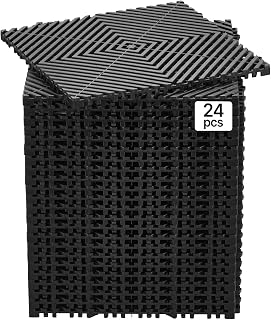
These Garage Floor Tiles use 12-inch interlocking plastic panels to create a modular surface that can be expanded or reconfigured later. The stated 40,000-pound load capacity is attractive for garages containing vehicles and heavy equipment, while oil- and stain-resistant construction should simplify cleanup. The rigid profile provides a more workshop-like platform than a roll-out mat, but the slab should be reasonably level so seams connect cleanly and rolling tools do not catch.
VEVOR Garage Floor Tiles
VEVOR Garage Floor Tiles combine a 0.53-inch polypropylene profile with interlocking installation and double-sided texture. That combination offers useful underfoot grip and a sturdy feel for garages, basements, and repair areas. The red finish can define a work zone or add visual contrast, although bright colors may show grime more readily than gray or black. For best long-term performance, leave the recommended expansion clearance around the perimeter and avoid forcing tiles against walls.
VEVOR Interlocking Drainage Mat
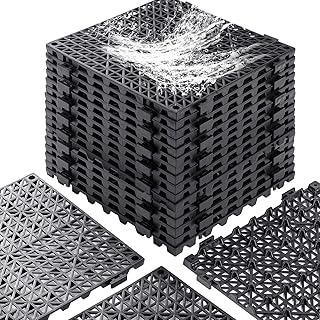
The VEVOR Interlocking Drainage Mat is designed for situations where water management matters more than creating a fully sealed surface. Its 12-inch modules and raised, perforated structure let liquid pass below the walking layer, helping keep the top surface less slippery around wet vehicles, garden equipment, or utility areas. This design is comfortable for standing tasks, but it is not the first choice for containing oil spills or supporting tiny casters that may bridge uneven openings.
Jocoevol 60-Piece Interlocking Tile
Jocoevol’s 60-piece interlocking tile system offers broad coverage with self-draining polypropylene panels suited to garages, patios, pool surrounds, and bathrooms. The non-slip surface and open construction are useful where wet footwear and meltwater are routine, while the modular format makes damaged sections replaceable rather than requiring a full-floor teardown. Its drainage focus makes it less appropriate when the primary goal is protecting a concrete slab from fluid penetration.
Frequently Asked Questions
Are garage mats or interlocking tiles better?
Garage mats are usually faster to install and better at containing vehicle fluids in one parking area. Interlocking tiles provide a more permanent, uniform walking and working surface, with stronger visual definition and easier section-by-section replacement.
Can garage flooring go over cracked concrete?
It can cover minor cosmetic cracking, but it should not conceal active movement, major height changes, or moisture problems. Repair unstable areas first, then clean and level the slab so flooring does not rock, separate, or wear prematurely.
Do drainage tiles prevent oil stains?
No. Drainage tiles move water beneath the surface, but oil can pass through the openings and reach the concrete. Use a solid parking mat or spill tray where oil containment is a priority.
How should modular garage flooring be cleaned?
Sweep regularly, wipe spills promptly, and rinse according to the manufacturer’s care guidance. Periodically lift sections near vehicle parking and workbenches to remove grit and check for retained moisture underneath.
Final Thoughts
For broad fluid containment, the Garage Mats Oversize Parking Mat is the most practical starting point. The 48-Pack Garage Floor Tiles offers a durable workshop surface, while VEVOR’s Interlocking Drainage Mat is the better fit for wet environments where traction and drainage matter most.